
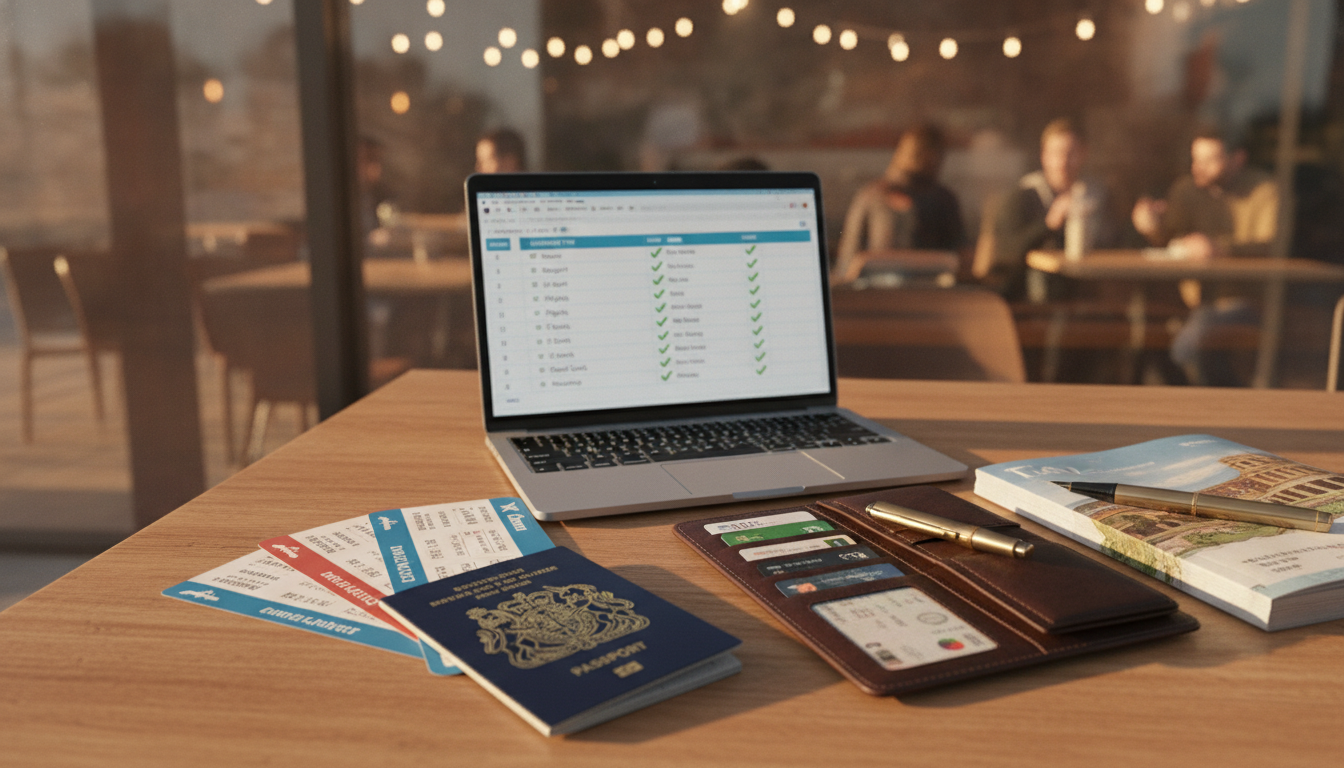
Going on a trip is more than just packing clothes and booking flights. A good travel documents checklist is key for a smooth trip. It helps you avoid last-minute stress and enjoy your adventure more.
Professional planning brings peace of mind. Whether you’re traveling abroad or within your country, having your ID and insurance ready is essential. This guide will help you stay ready for anything during your trip.
Using a travel documents checklist keeps all your important items in order. This way, you can manage your trip with confidence. We want to give you the tools to protect your plans and have a stress-free trip.
Key Takeaways
- Organize all identification and insurance papers well before your departure date.
- Keep digital and physical copies of your essential paperwork for added security.
- Review your itinerary to ensure all necessary permits are current and valid.
- Store your items in a secure, accessible location throughout your journey.
- Use a systematic approach to minimize stress and enhance your overall experience.
The Importance of Proper Documentation
Traveling internationally starts long before you get to the airport. International travel preparation is key to a smooth trip. It helps avoid unexpected problems at border crossings.
Why Preparation Prevents Travel Disruptions
Managing your documents well keeps you in line with foreign rules. Joining the Smart Traveler Enrollment Program (STEP) is a smart move. It lets the U.S. embassy send you important alerts and updates.
Keeping your important documents in order helps you avoid missing deadlines. This way, you can solve problems before they turn into big issues.
The Psychological Benefits of Being Organized
Being organized also boosts your mental health. A well-prepared traveler feels more secure and less anxious. This lets you enjoy your trip more, without worrying about missing papers.
Using a consistent method for safe travel planning builds your confidence. When you’re in control of your documents, you can handle the little stresses of traveling better.
| Feature | Prepared Traveler | Unprepared Traveler |
|---|---|---|
| Border Entry | Smooth and efficient | High risk of delays |
| Emergency Alerts | Enrolled in STEP | No official updates |
| Stress Levels | Low and managed | High and reactive |
| Documentation | Organized and digital | Scattered or missing |
Essential Identification and Citizenship Documents
Your travel journey starts long before you hit the airport. It begins with checking your essential travel identification. Making sure your documents fit your destination’s needs is key. Without the right papers, even the best plans can fail at the security gate.
Validating Your Passport Status
Before you book a flight abroad, check your passport’s validity. Many places require it to be valid for at least six months after your return.
Remember, passport expiration rules change with age. Adult passports last ten years, but kids’ passports are only good for five. Always check your passport’s expiration date early to avoid trouble.
State-Issued Driver Licenses and Real ID Compliance
For trips within the U.S., your driver license is key. But, it must be Real ID compliant for air travel. This meets federal security standards.
A compliant card has a star in the upper right corner. If yours lacks this, you might need extra documents for TSA. Knowing this helps you breeze through airport security.
Birth Certificates and Secondary Identification
Having only one ID for international trips is risky. Carry extra documents like a birth certificate or ID card. They’re a safety net if your passport gets lost or stolen.
These papers prove your citizenship and identity abroad. Keep them separate from your passport for safety. Organized records help avoid travel hitches and keep your trip secure.
Financial and Payment Documentation
Managing your money well is key to a stress-free trip abroad. Organize your payment methods before you go. This way, you stay safe and have access to money wherever you are. A good mix of digital and physical money is best.
Credit and Debit Card Security
Always tell your bank about your travel plans before you leave the U.S. This stops your cards from being blocked while you’re away. Keep a safe copy of your account numbers and emergency bank contacts.
Carry two different cards, like Visa and Mastercard, for backup. Keep them in different places, like a wallet and a hotel safe, to protect against theft.
Managing Foreign Currency and Cash Reserves
Even with digital payments, having cash is key for small purchases or emergencies. Carry both local currency and U.S. dollars. This way, you’re ready for any situation where digital payments fail.
Check exchange rates and local cash use customs before you go. Use a hidden money belt or secure pouch to keep your cash safe while exploring.
Traveler Checks and Prepaid Travel Cards
Prepaid travel cards are a safer choice than cash for many. They let you set a budget, helping you stay within your means. If lost, they’re easier to replace than regular debit cards.
Traveler checks are less used but can be safe in some places. Think about your destination’s setup to see if they’re right for you.
| Payment Method | Primary Benefit | Security Level |
|---|---|---|
| Credit Cards | Global Acceptance | High (Fraud Protection) |
| Prepaid Cards | Budget Control | Medium (Limited Exposure) |
| Local Cash | Universal Utility | Low (Risk of Theft) |
| U.S. Dollars | Emergency Backup | Medium (Reserve Value) |
Health and Insurance Records
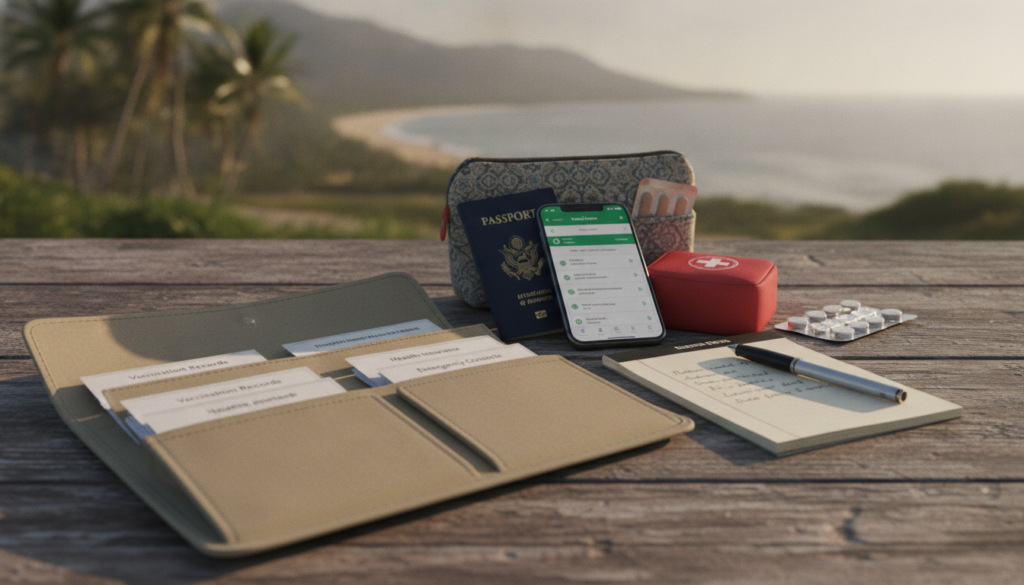
Getting your health and insurance records in order is key to a safe trip abroad. Having these documents ready gives you peace of mind. It means you’re ready for any medical needs that might pop up while you’re away.
Proof of Medical Insurance Coverage
Travel insurance coverage is a must-have for medical emergencies and trip cancellations. Always carry a copy of your policy, including the emergency contact number.
Make sure your plan covers medical costs abroad and emergency evacuations. Having this info ready helps healthcare providers verify your coverage fast in emergencies.
Vaccination Records and International Certificates
Keeping up with your travel health records is key for entry in many countries. Some places need proof of certain vaccinations, like yellow fever, to keep everyone safe.
Keep these documents in a safe place, like a folder or a digital app. If you get an International Certificate of Vaccination or Prophylaxis, treat it like your passport. Border officials might ask for it when you arrive.
Prescription Medication Documentation
Managing your health abroad means knowing the laws about your meds. Some prescription drugs and over-the-counter items are illegal in foreign countries, even if they’re legal in the U.S.
Always carry your meds in their original packaging with the label showing. It’s a good idea to have a letter from your doctor explaining your condition and why you need the meds.
Before you go, check your destination’s embassy website to see if your meds are okay. Taking these steps helps you avoid legal trouble and keeps your travel insurance coverage good for your trip.
Transportation and Accommodation Confirmations
Being organized with your travel documents is key. It saves you from last-minute searches for confirmation numbers. Preparation is the ultimate key to a smooth trip.
Flight Itineraries and Boarding Passes
Keep your flight details in a spot you can easily find. This makes going through security faster. You can use digital copies or printed ones, but keep it consistent. Always ensure your mobile device is fully charged before heading to the airport.
“The secret to a stress-free trip lies in the small details of preparation, ensuring that every transition is handled with confidence and ease.”
Hotel and Rental Car Booking Vouchers
Having your hotel and rental car documents ready makes check-in smooth. These prove your booking and service terms. Here are some tips:
- Create a folder in your email for booking confirmations.
- Print a hard copy of your rental agreement for international trips.
- Make sure your voucher name matches your ID exactly.
Public Transit Passes and Rail Tickets
Using local transport in a new city can be tricky. Keep your passes and tickets organized to avoid confusion. Store these items in a specific pocket of your travel wallet.
For trips across many areas, use a digital transit app. It keeps all your tickets in one spot. This lets you enjoy your trip without worrying about lost documents.
The Ultimate Travel Documents Checklist
A good travel documents checklist is your last safety check before the airport. It helps you make sure you have everything you need before you leave. This way, you can relax and enjoy your trip without worrying about missing documents.
Categorizing Your Essentials for Quick Retrieval
Organizing your travel documents is key. Grouping them by type makes it easy to find what you need. This means you can quickly get to your ID, money, and health records without digging through your bag.
- Identification: Passports, visas, and state-issued IDs.
- Financial: Credit cards, currency, and booking vouchers.
- Health: Insurance cards, vaccination records, and prescriptions.
Pre-Departure Verification Steps
Do a final check of your essential travel identification before you leave. Make sure your passport and ID are not expired. It’s also smart to have copies of these documents, either digital or physical, in a safe place.
Having backups means you’re prepared if something gets lost. Also, double-check that your ticket names match your ID. Even small mistakes can cause big delays.
Packing Your Carry-On Versus Checked Luggage
Where you put your documents is important for a smooth trip. Keep important items in your carry-on. This way, you can always access them. Never put your passport or ID in checked luggage, as you’ll need them for security and boarding.
| Document Type | Recommended Location | Accessibility Level |
|---|---|---|
| Passport/Visa | Carry-on (Personal Item) | Immediate |
| Hotel Vouchers | Carry-on (Main Bag) | High |
| Medical Records | Carry-on (Main Bag) | Medium |
| Expired IDs | Checked Luggage | Low |
Digital Backup Strategies for Modern Travelers
Creating a virtual safety net for your travel paperwork is a simple yet vital step for any journey. By using modern technology, you keep your essential information safe even if your wallet or bag is lost. Secure document storage is now a key part of responsible travel planning.
Utilizing Secure Cloud Storage Services
Cloud platforms are a reliable way to keep your passport, visa, and insurance policies safe. Services like Google Drive, iCloud, or Dropbox let you access these files from anywhere. Peace of mind comes from knowing your data is safe in the cloud, not just on paper.
“The best way to predict the future is to create it, and the best way to protect your journey is to prepare for the unexpected.”
Scanning Documents for Offline Access
While cloud access is handy, keeping local copies is also important. High-quality photos of your documents on your phone are a quick backup. Save these digital travel backups in a private folder on your device for safety.
Using Encrypted Mobile Applications
Keeping your information safe from hackers is critical, even on public Wi-Fi. Use encrypted apps for document management. These apps add security, keeping your data safe from cyber threats while you travel.
Organizing Your Physical Documents for Easy Access
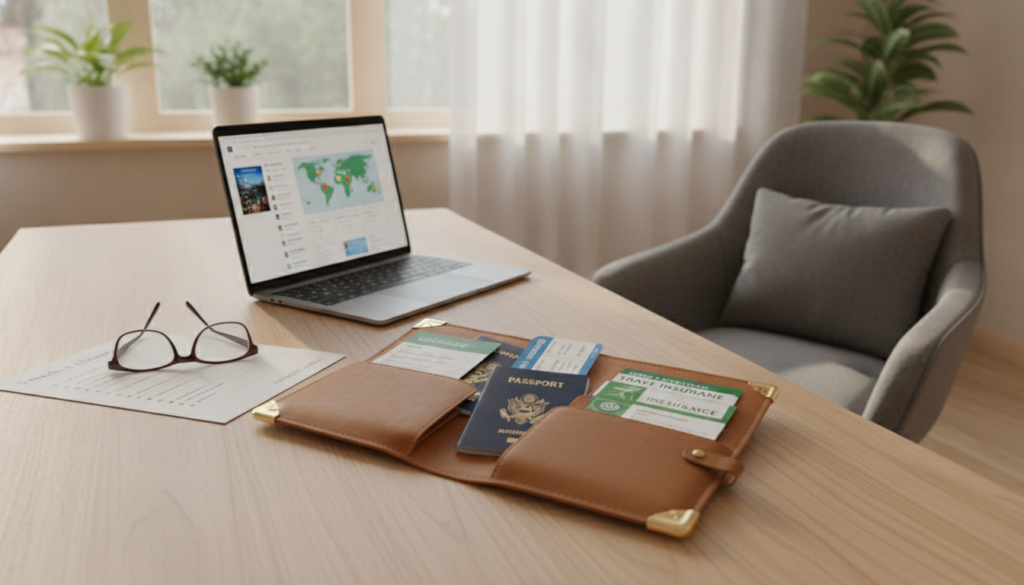
Learning to organize your travel documents can make your trip much easier. While digital backups are great, having a physical system is key. It prepares you for when technology fails. A well-organized set of papers lets you enjoy your trip without worrying about the details.
Choosing the Right Travel Wallet or Organizer
Finding the perfect travel wallet is the first step. It should have enough pockets for your passport, boarding passes, and ID. Choose something durable and water-resistant to keep your documents safe.
“Organization is not about perfection; it is about efficiency, reducing stress, and ensuring that you have exactly what you need when you need it most.”
Color-Coding and Labeling Systems
Using a simple system for your travel papers can save you a lot of time. Try color-coding folders or labels for different types of documents. This way, you can quickly find your hotel vouchers, tickets, and insurance papers.
- Blue: Transportation documents like flight itineraries and train tickets.
- Green: Accommodation vouchers and reservation confirmations.
- Red: Essential identification, passports, and medical records.
- Yellow: Financial documents, including currency and credit cards.
Keeping Documents Accessible at Security Checkpoints
When you get to security checkpoints, your organization skills are put to the test. Keep your boarding pass and ID in an easy-to-reach pocket. This avoids delays for you and others. A neat folder also shows you’re organized, making the screening process easier.
Make sure your most used items are in the same spot every trip. This habit helps you quickly find what you need. It turns a stressful moment into a smooth part of your journey.
Navigating Visa Requirements and Entry Permits
Getting the right travel permits is key to your international travel preparation. Entry rules differ by country. Not checking these can cause travel problems or even stop you from boarding.
It’s important to research your destination’s legal needs. This keeps you in line with local laws. It also helps you relax as you plan your trip.
Researching Destination-Specific Entry Rules
Every country has its own entry rules. These can change based on your nationality and trip purpose. Check official government sites or embassy websites for the latest travel visa requirements.
Don’t just trust travel blogs. Policies can change quickly. Make sure your passport is valid for at least six months after you leave.
Applying for Electronic Travel Authorizations
Many countries use digital systems for entry. You need to get these electronic travel authorizations early to avoid problems.
Apply well before your trip. This helps avoid delays or extra paperwork. Keep both digital and physical copies of your approval to show at security.
Understanding Transit Visa Regulations
People often forget about visa rules for layover countries. Some places need a transit visa, even if you’re not leaving the airport.
Checking these rules is vital for your international travel preparation. If you have stops on your trip, make sure you have the right permits for each one. This keeps your journey smooth and follows all travel visa requirements.
Protecting Sensitive Information Against Identity Theft
Good identity theft protection starts before you get to the airport. As you get ready to travel, adding security steps to your routine is key. This way, you can enjoy your trip without worrying about your personal info.
Using RFID-Blocking Sleeves and Wallets
Today’s passports and credit cards have RFID chips that send data wirelessly. While handy, these chips can be scanned without your permission in crowded places. RFID-blocking sleeves and wallets are a great way to keep your info safe from digital theft.
These items block external readers from getting your card or passport details without your say-so. Getting good, long-lasting gear is a smart move for anyone traveling abroad. It keeps your info safe from electronic thieves in busy areas.
Minimizing the Amount of Personal Data Carried
To keep your identity safe, carry less while traveling. Check your wallet before you leave and take out things you don’t need, like loyalty cards or extra credit cards. Keeping these items at home reduces the chance of them getting lost or stolen.
Only bring what you really need for your trip. This makes traveling easier and keeps your important info safe. It’s a simple way to protect yourself while on the move.
Securing Documents in Hotel Safes
When you arrive, keep your important papers safe. Use hotel safes for your passport, ID, and extra cash. This adds an extra layer of security against theft. It’s a must for seasoned travelers.
Make sure your hotel has a safe before booking. If not, use a portable safe or a hidden money belt. Taking good care of your documents reduces the chance of trouble on your trip.
Handling Lost or Stolen Documents Abroad
Loosing important documents is a bad situation, but you can handle it well. Staying calm is key when you lose something. A clear plan helps you move forward without worry.
Contacting the Nearest Embassy or Consulate
First, reach out to your home country’s embassy or consulate. They are your main help for emergency travel documents. They guide you on proving your citizenship and dealing with local laws.
Have all your details ready, like your identity and travel plans. Embassy staff are ready to help. They will tell you what to do next and give you local contacts for your needs.
Filing Police Reports for Stolen Items
If your documents were stolen, go to the police to report it. This is needed for new papers from your embassy. It proves the theft and protects you from future problems.
- Get a copy of the police report before you leave.
- Make sure the report lists all missing items, like your passport and credit cards.
- Keep this report safe, as you’ll need it for insurance and embassy paperwork.
Emergency Replacement Procedures
Knowing the lost passport procedures helps a lot. The embassy will help you apply for a new passport. You might need new photos and ID checks. Even if you need a new passport, the embassy can give you a temporary one to get home.
Also, tell your banks right away if your wallet was stolen. Canceling your cards stops thieves from using them. By acting fast and following these steps, you can fix the problem and feel better.
Conclusion
Getting your documents in order is key for any trip abroad. A detailed checklist keeps you in charge, no matter what. It helps you handle any issues that come up.
Check your visa needs early to avoid airport stress. Knowing your insurance is ready gives you a sense of security. It lets you enjoy your trip more.
Store digital copies of your ID in a safe place online. This makes dealing with a lost passport easier. It lets you focus on the adventure, not the details.
Planning ahead changes how you see the world. You’re ready to manage your documents with ease. Share your tips with others to help everyone stay organized.




One Comment on “Travel documents checklist to never forget your essentials”