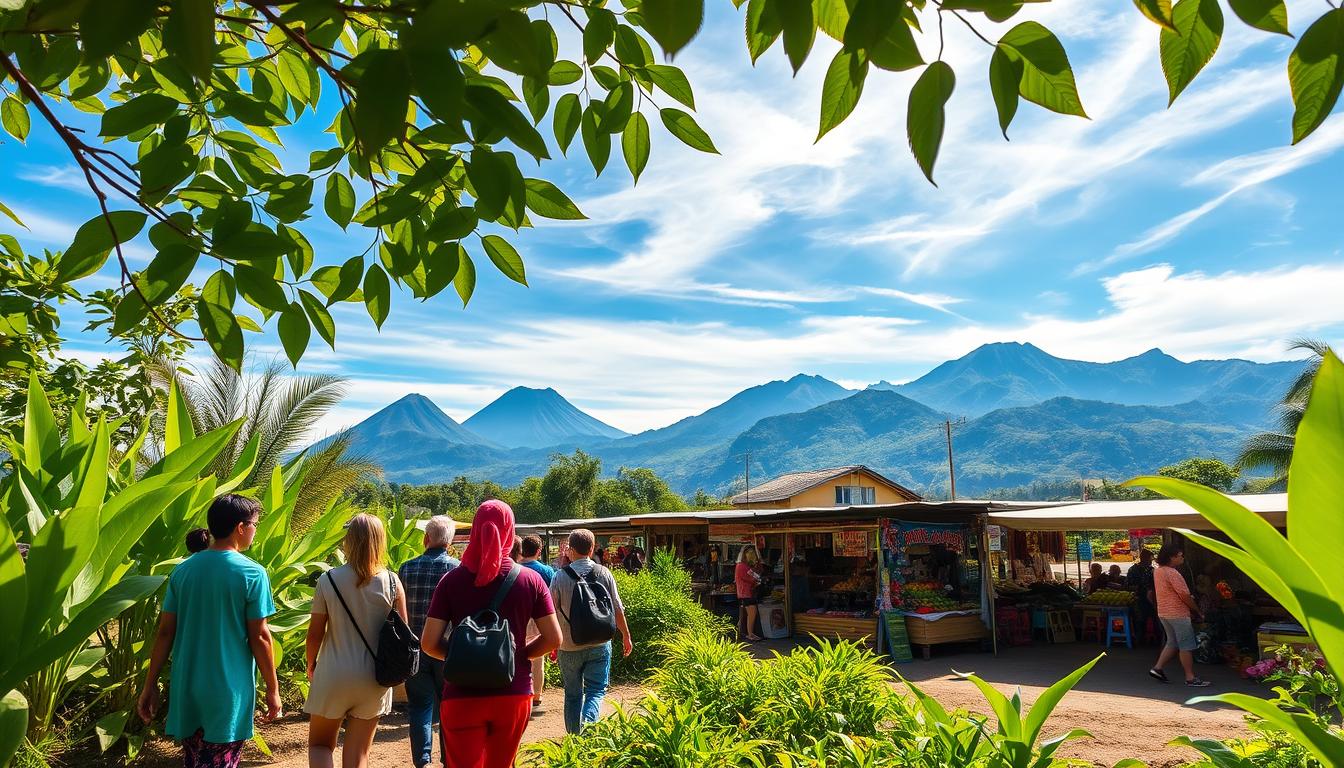
Traveling to a new place is like starting a new chapter in your life. You might dream of exploring ancient Maya ruins or seeing a huge, active volcano. This area is full of wonder. The right info makes your first step a confident adventure.
This US citizen travel guide aims to make your trip smooth. It connects your dreams with the real world of travel. Knowing the local culture and safety tips makes your trip enriching and secure. Let’s get you ready for an unforgettable journey in Central America.
Key Takeaways
- Discover diverse landscapes ranging from lush jungles to historic 16th-century cities.
- Prioritize safety by understanding regional travel requirements before departure.
- Balance your itinerary with both adventurous excursions and cultural immersion.
- Utilize reliable resources to navigate local customs and logistics with ease.
- Prepare for a seamless transition between different nations in the region.
Planning Your Central America Travelling Itinerary
Planning a trip to Central America? A good itinerary is key. It should mix the area’s lively cities with its wild nature. This way, you’ll enjoy your trip more and understand the region’s geography.
Selecting the Best Countries for Your Interests
Central America has something for everyone. History buffs will love Guatemala and Honduras for their ancient ruins. Beach lovers and surfers should head to Costa Rica or Panama.
Grouping your destinations by location saves time. Focusing on a few countries lets you dive deeper into local life. Here’s a table to match your interests with the best spots:
| Country | Primary Interest | Key Activity |
|---|---|---|
| Guatemala | History & Culture | Exploring Mayan Ruins |
| Costa Rica | Nature & Wildlife | Rainforest Hiking |
| Belize | Marine Life | Snorkeling & Diving |
| Nicaragua | Adventure & Surf | Volcano Boarding |
Determining the Ideal Time of Year to Visit
Knowing the local weather is important. The dry season, from November to April, is best for outdoor fun. It’s sunny and perfect for adventures.
The rainy season, May to November, is lush and green. It’s also less crowded and cheaper. Just be ready for daily showers.
Balancing Adventure and Relaxation in Your Schedule
A good trip balances action and rest. Spend mornings exploring, then relax in the afternoons. This keeps you energized.
Alternate between busy days and calm ones. This balance prevents exhaustion and lets you enjoy each place fully. It makes your travel in Central America rewarding and sustainable.
Essential Travel Documents and Entry Requirements
Traveling through central america travelling is smoother with the right documents. Knowing entry requirements for Central America is key. Make sure your papers are in order to avoid delays at borders.
Being prepared lets you enjoy the culture and sights without worries. It’s all about the journey, not the paperwork.
Passport Validity and Visa Regulations for US Citizens
Your passport must be valid for at least six months after your trip. It should also have enough blank pages for stamps. US citizens often get to enter without a visa, but check the length of stay.
In Belize, you can stay up to 30 days. Costa Rica welcomes you for 180 days. Panama lets you in for three months without a visa. Always check the latest rules before you go.
| Country | Visa-Free Duration | Passport Validity Required |
|---|---|---|
| Belize | 30 Days | 6 Months |
| Costa Rica | 180 Days | 6 Months |
| Panama | 90 Days | 6 Months |
Understanding Customs and Border Control Procedures
Traveling through central america borders means dealing with checkpoints. These require patience and organization. Regional agreements help, but you must show your passport and fill out forms at each stop.
Declare any restricted items and be ready to talk about your stay and travel plans. Stay calm and professional to move through borders quickly.
Managing Travel Insurance and Emergency Documentation
Getting travel insurance for US citizens is vital. It protects your health and money. Carry a printed copy of your policy and the insurer’s emergency number.
Also, keep digital copies of your passport, flights, and emergency contacts. This US citizen travel guide suggests storing these in a cloud for easy access. Having these ready gives you peace of mind on your trip.
Navigating Transportation Across Borders
Whether you’re backpacking Central America or on a structured vacation, knowing the transit landscape is key. Moving between countries needs a solid plan for a smooth journey. This Central America transportation guide helps you travel with confidence.
Domestic Flight Options and Regional Carriers
Regional airlines save time when traveling long distances. Airlines like TAG Airlines and Sansa connect major hubs to remote spots. Flying is often the most efficient way to avoid complex land routes when time is tight.
Check the entry requirements for Central America before flying. Booking early gets you better rates and seats during busy seasons. Keep your travel documents ready for check-in and arrival.
Using Public Buses and Shuttle Services
Public transit shows local life, but it needs patience and flexibility. The “chicken buses” are a regional icon for short trips. Private shuttles offer a highly recommended alternative for border crossings.
Platforms like Guatego are key for travelers. They simplify border crossings with pre-booked, door-to-door services. Here are the benefits of shuttle services:
- Reliability: Scheduled departures reduce waiting times at border crossings.
- Safety: Professional drivers know local roads well.
- Convenience: Many services offer direct routes to popular spots.
Renting Vehicles and Understanding Local Driving Laws
Renting a car gives you freedom to explore, but be aware of the road conditions. The region’s roads range from good highways to rough paths. Always prioritize safety by choosing the right vehicle for your route.
Learn local driving laws before driving. You’ll need a valid driver’s license and might want an International Driving Permit. Driving during daylight hours is safest to avoid hazards and reach your destination safely.
Health and Safety Considerations for US Citizens
Keeping yourself safe and prepared for medical needs is key. This way, your trip can be all about discovery, not worry. Knowing the local area helps you travel with confidence and calm.
Recommended Vaccinations and Medical Precautions
Before you go, check with a travel clinic to make sure your shots are current. Many people also get shots for Hepatitis A and Typhoid, common in warm places.
Getting travel insurance for US citizens is a must. It covers unexpected medical costs or emergency flights. This lets you explore without worrying about money.
Staying Safe in Urban and Rural Environments
Being aware of your surroundings is the best way to stay safe. Keep important items like passports and phones safe. Don’t show off expensive things or lots of cash in public.
For Central America safety tips, women should not walk alone at night in big cities or on quiet beaches. Stick to well-lit, busy areas at night to stay safe.
Accessing Quality Healthcare and Emergency Services
Big cities have private hospitals with good care, like what you’d find abroad. But, rural areas have fewer options. Always carry a first-aid kit and your insurance info.
This US citizen travel guide suggests saving the US Embassy or Consulate’s contact info in your phone. Having this info ready helps in emergencies while traveling.
| Category | Primary Action | Importance |
|---|---|---|
| Medical | Update Vaccinations | High |
| Insurance | Verify Coverage | Critical |
| Safety | Avoid Night Travel | High |
| Emergency | Save Embassy Info | Critical |
Managing Finances and Currency Exchange
Managing your money well lets you enjoy your trip more. When you plan your finances, you also keep your money safe. A good plan helps you focus on the fun, not money worries.
Using Credit Cards and ATMs Abroad
Most places take credit cards, but bring a backup card. Tell your bank you’re traveling to avoid account issues. For small buys, cash is best, as a Central America transportation guide suggests.
ATMs are common in cities, but they charge fees. Withdraw big amounts to save money. Pick ATMs inside banks for safety.
Handling Local Currency and Cash Transactions
Cash is key in rural areas. Have local money for small fees and transport when navigating Central America borders. Exchange some money before you go or use an airport ATM.
Keep cash safe to avoid theft. In remote spots, plan your cash needs. Carry small bills for merchants without change.
Budgeting for Daily Expenses and Unexpected Costs
A good Central America travel budget avoids stress. Aim for $60 a day for two people. This covers lodging, food, and travel.
Save for emergencies like medical needs or travel changes. This fund gives you peace of mind. Use the table below for daily spending ideas.
| Expense Category | Estimated Daily Cost (USD) | Payment Preference |
|---|---|---|
| Budget Accommodation | $25 – $35 | Credit Card / Cash |
| Local Dining | $15 – $20 | Cash |
| Regional Transport | $10 – $15 | Cash |
| Emergency Buffer | $10 – $20 | Cash (Hidden) |
Cultural Etiquette and Language Tips
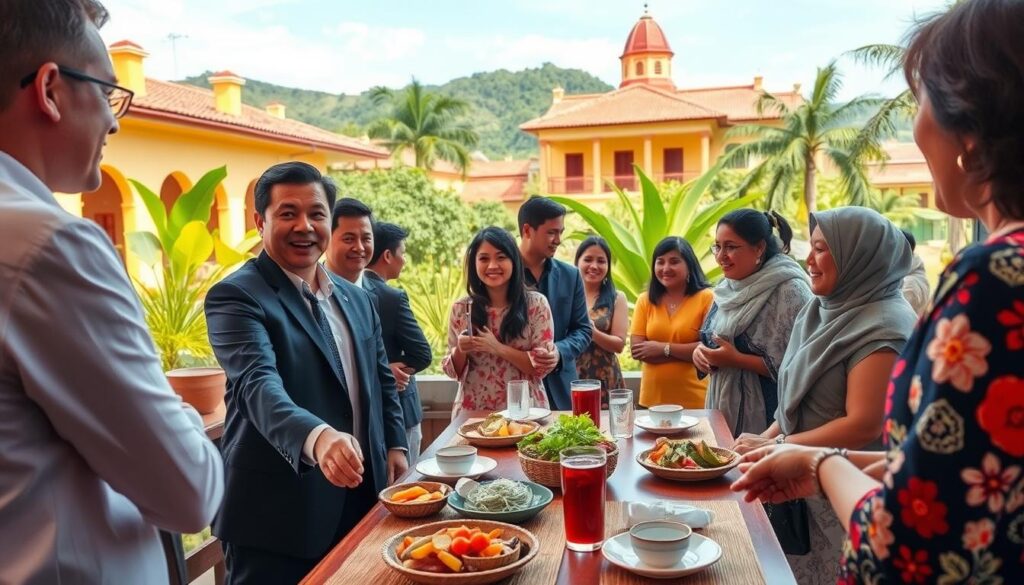
Exploring Central America is more fun when you know the local ways and speak the language. Learning about cultural etiquette in Central America helps you connect with people. It makes your visit more meaningful and welcomed.
Basic Spanish Phrases for Travelers
Spanish is the main language in most of Central America. People appreciate when you try to speak their language. The pace and clarity of Spanish make it easy for beginners to learn.
Knowing basic phrases like “Buenos días” (good morning) or “Por favor” (please) helps a lot. Practicing these phrases shows respect. It often leads to better interactions with locals and service providers.
Respecting Local Customs and Traditions
Respecting local customs is key to a good trip. In rural areas, wearing modest clothes is important, like when visiting religious sites. Wearing the right clothes helps you fit in and avoid trouble.
Always ask before taking pictures of people or private places. Being patient with local ways and slower service shows respect. By watching how locals act, you can act like them too.
Navigating Social Interactions and Tipping Culture
Knowing about money and service is important for a smooth trip. Tipping varies by country, but it’s nice in restaurants and for guides. A small tip is a way to say thank you for good service.
In social situations, being friendly is important. Being polite and smiling is understood everywhere. Being open and attentive makes your interactions more enjoyable and meaningful.
Packing Essentials for Tropical Climates
When backpacking Central America, what you pack matters a lot. The area has both humid coastal areas and cooler mountains. So, you need to pack light and versatile items.
Many think about the best time to visit Central America. But, what you carry is more important for comfort. The right items help you move easily between different places.
Choosing the Right Clothing and Footwear
Dressing for the tropics means layering. Choose clothes that keep you dry and comfortable all day.
- Moisture-wicking underwear and base layers are key for humidity.
- Lightweight long pants protect from insects and sun while staying cool.
- A versatile, lightweight jacket is needed for cooler evenings or air-conditioned places.
- Sturdy, broken-in hiking sandals or trail shoes are essential for different terrains.
Must-Have Gear for Outdoor Activities
Choosing the right gear for packing for tropical climates is important. It makes your adventures better, whether hiking or exploring ruins.
Bring a good daypack with a rain cover to keep your electronics dry. A reusable water bottle with a filter saves money and reduces waste.
Toiletries and Health Supplies for the Tropics
Staying healthy is key, and taking health precautions for travelers helps. Pack a small kit for common tropical challenges.
Your health kit should have:
- High-DEET insect repellent to fight off mosquito-borne diseases.
- Broad-spectrum sunscreen and lip balm with SPF.
- Basic first-aid items like bandages, antiseptic wipes, and blister care.
- Personal medications and a copy of your prescription for emergencies.
By organizing these items, you can focus on the amazing experiences ahead. Being prepared helps you enjoy both cities and trails with confidence.
Staying Connected with Mobile Data and Wi-Fi
Traveling through Central America means staying connected is key. Whether you’re using a Central America transportation guide or just checking in, internet access is essential. Don’t forget to plan your digital strategy to avoid unexpected costs while packing for tropical climates.
Purchasing Local SIM Cards and Data Plans
Getting a local SIM card is often the best way to stay online. Most big providers have prepaid plans that you can top up as needed. Check out these 10 ways to beat rip-off roaming charges to keep your budget safe.
- Unlocked phones: Make sure your device is carrier-unlocked before you go.
- Local kiosks: Buy SIM cards at official stores for better support.
- Data bundles: Choose regional data packages if you’ll be crossing borders.
Reliability of Internet Access in Remote Areas
In cities and tourist spots, Wi-Fi is fast. But in rural or mountain areas, it’s spotty. Expect slower speeds when exploring remote places. Let your contacts know you might be offline for a while.
| Location Type | Connectivity Level | Recommendation |
|---|---|---|
| Major Cities | High | Use local Wi-Fi |
| Coastal Towns | Moderate | Local SIM card |
| Remote Jungles | Low | Offline preparation |
Using Offline Maps and Translation Apps
Offline tools are vital when you lose signal. Download maps and language packs before leaving your hotel. These tools help you navigate and communicate without internet.
Sustainable Tourism and Local Community Support
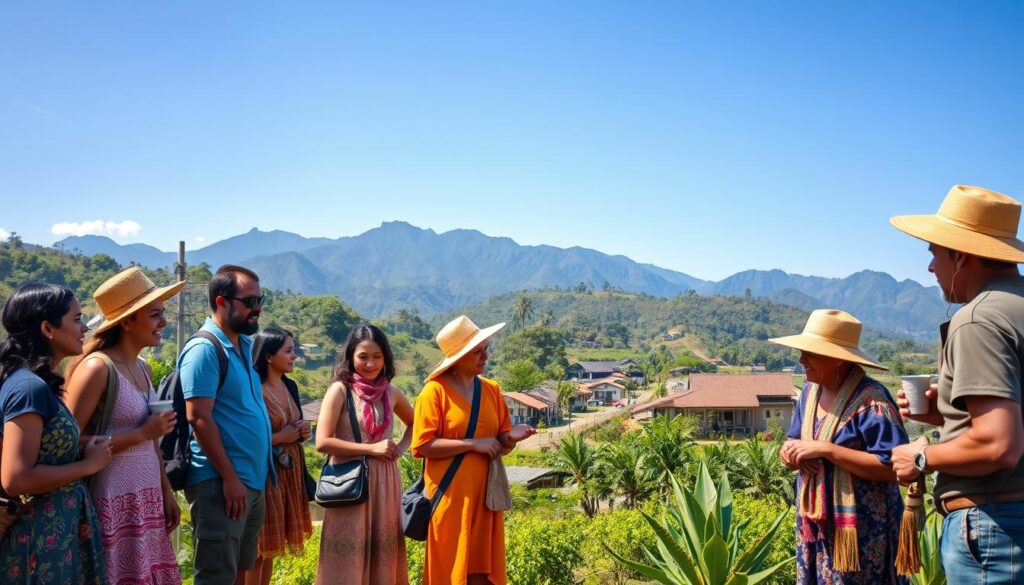
By choosing sustainable tourism in Central America, we help keep the area beautiful for others. Responsible travel means making choices that help the environment and local people. This way, we ensure the places we visit stay healthy for a long time.
Choosing Eco-Friendly Accommodations and Tours
In Costa Rica, protecting the environment is very important. When planning your trip, look for places that use green energy and reduce waste. Even when checking the best time to visit Central America, think about how you’ll affect the local nature.
Many eco-lodges offer tours that teach about saving nature. Picking these places means your money helps protect wildlife. Always check for certifications to make sure your tour is truly green.
Supporting Local Artisans and Small Businesses
Helping local businesses is key to a good Central America travel budget. Buying things made by locals keeps money in the community. It also helps you learn about cultural etiquette in Central America by talking to people.
- Look for cooperatives that pay artisans fairly.
- Eat at family-run restaurants for real local food.
- Choose local guides to learn more about the area.
Minimizing Your Environmental Footprint
Small actions can make a big difference in the tropical places you visit. When packing for tropical climates, use items that don’t harm the environment. This helps keep the beautiful places you see in their best shape.
It’s good to stay connected in Central America, but also take time to enjoy it. Use apps to track your carbon footprint and prefer public transport. Conscious travel is about taking care of our planet for everyone’s future.
Conclusion
Exploring Central America is a unique chance to see different cultures and beautiful landscapes. You’ll learn why travel to Central America when you see the people’s strength and nature’s beauty. Having the right documents makes your trip smooth and stress-free.
Planning your budget lets you travel more and see more places. Taking care of your health means you can enjoy activities like hiking or visiting old ruins. Always check the latest entry rules for Central America to avoid customs delays.
Choosing sustainable tourism helps protect the environment for the future. Respecting local customs and traditions helps you connect with the people and their heritage. Getting a local SIM card makes it easy to stay in touch while exploring.
Travel insurance is key for US citizens to feel safe on their trip. The best trips mix planning with a sense of adventure. Let your curiosity lead you through this amazing part of the world.