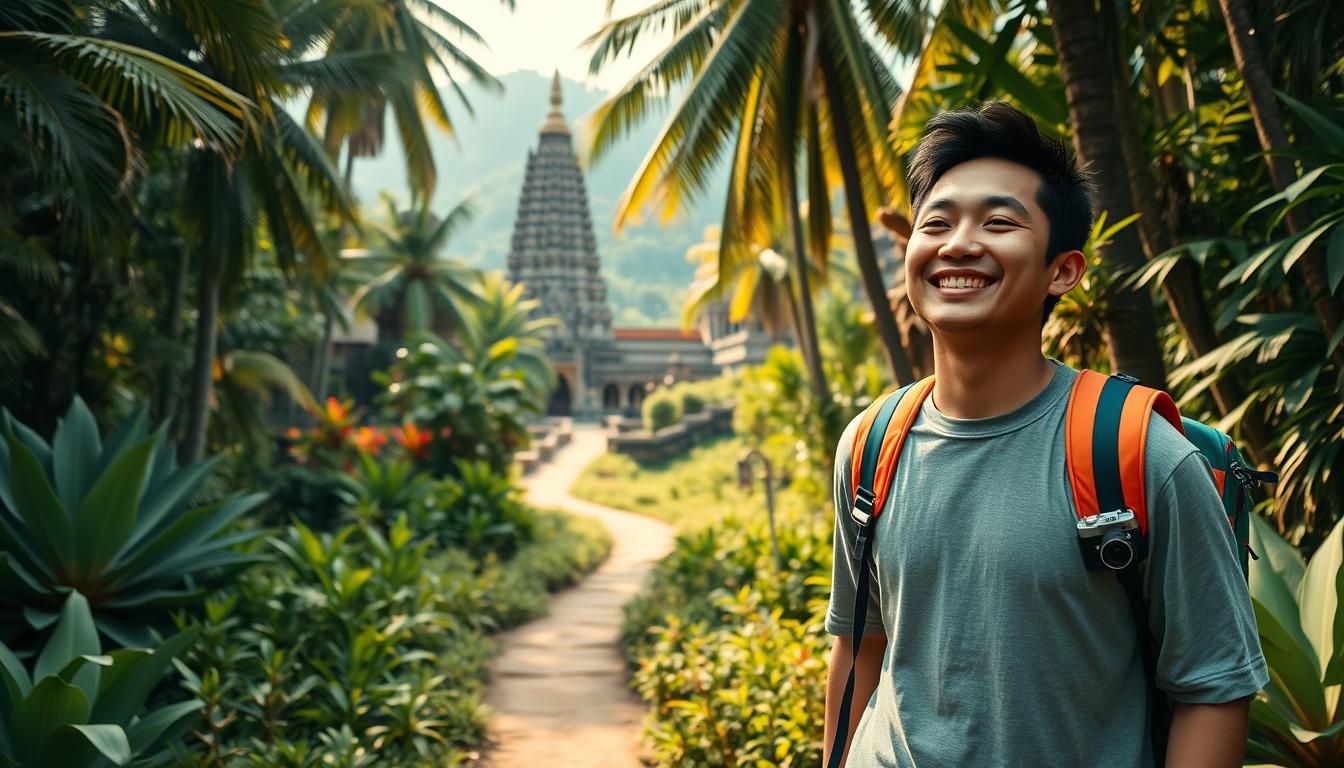
Stepping off a plane into the humid, vibrant air of a new place is unique. You’re ready to explore the unknown. But the best rewarding adventures start with careful planning.
Getting ready is key to every great trip. By using important backpacking tips, you can easily handle local customs and travel. These small steps turn possible stress into exciting discoveries.
Feeling secure means knowing you’re covered for the unexpected. Getting the right travel insurance is essential. It protects your health and money, letting you enjoy making memories.
Key Takeaways
- Prioritize getting good coverage to keep your health and money safe abroad.
- Learn about local customs to have respectful and easy interactions.
- Pack light to stay mobile and comfortable on your travels.
- Keep both digital and physical copies of important documents in different places.
- Be open to changing your plans for spontaneous local experiences.
Planning Your Southeast Asia Backpacking Trip
Planning well turns a big dream into a real and fun trip. By mixing a good southeast asia itinerary with a smart budget, your journey will be both fun and affordable. A careful plan helps you enjoy the trip more, without worrying about last-minute problems.
Defining Your Route and Budget
Good budget travel means knowing the costs in different places. Countries like Vietnam, Laos, and Cambodia are cheap, but places like Singapore or some parts of Thailand might cost more.
Here are some tips for a southeast asia itinerary:
- Eat street food to save money on food.
- Take overnight trains or buses to cut down on hotel costs.
- Look for free walking tours and parks to enjoy local culture without spending a lot.
Being flexible is as important as your budget. You never know when you’ll find something amazing. Being open to changes can make your trip unforgettable.
Best Times to Visit by Region
Knowing the weather is key for a good trip. Southeast Asia has a tropical climate, so picking the right time can avoid bad weather.
The dry season is usually the best for exploring outside. But, different areas have their own best times:
| Region | Best Time to Visit | Weather Note |
|---|---|---|
| Mainland (Thailand, Vietnam) | November to February | Cooler and dry |
| Maritime (Indonesia, Malaysia) | April to October | Drier season |
| Northern Highlands | March to May | Clearer skies |
Traveling during these times means better weather and easier paths. Proper timing makes your adventure smooth, letting you dive deep into the area’s culture.
Essential Travel Documents and Visa Requirements
A successful trip starts long before you arrive. It begins with your travel documents. Handling the paperwork early is key to travel safety and avoiding border problems. Organizing your documents ahead of time helps you avoid delays and enjoy your trip more.
Passport Validity and Page Requirements
Most Southeast Asian countries require your passport to be valid for six months after your trip. If it’s not, you might face issues with airlines or immigration. Always check your passport’s expiration date before booking flights.
Also, make sure your passport has enough blank pages for stamps. Countries often need two to four empty pages for entry and exit. If your passport is almost full, renew it before you go to avoid problems at borders.
Navigating E-Visas and Visa-on-Arrival
Knowing the visa requirements for each country is vital. Some countries offer visa-free entry for short stays, while others need an e-visa or visa-on-arrival. Researching these rules early keeps you safe and worry-free.
E-visas are applied for online, saving you time at the airport. Visa-on-arrival services let you pay fees and submit documents when you arrive. Always have digital and physical copies of your approvals for easy access to your travel documents.
| Country | Visa Type | Typical Validity | Process |
|---|---|---|---|
| Thailand | Visa Exemption | 30-60 Days | Arrival Stamp |
| Vietnam | E-Visa | Up to 90 Days | Online Application |
| Cambodia | Visa-on-Arrival | 30 Days | Airport/Border |
| Indonesia | Visa-on-Arrival | 30 Days | Airport/Online |
Smart Packing Strategies for Tropical Climates
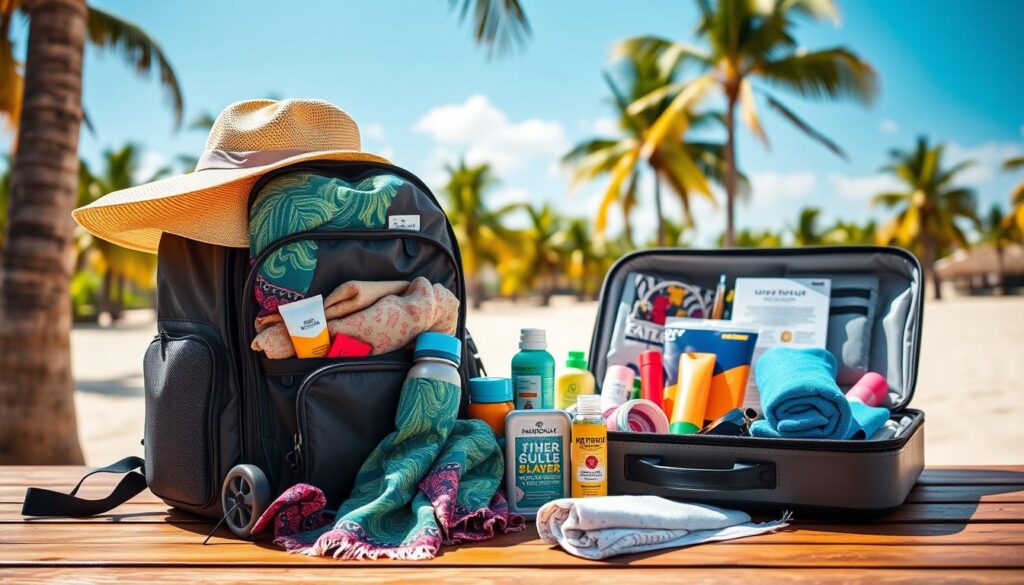
Packing smart is key to a stress-free trip. Focus on packing essentials to make sure your gear helps, not hinders. A light load makes moving through crowded places easier.
Choosing the Right Backpack and Daypack
Choosing the right luggage is vital for long trips. A backpack under 40 liters is best for staying mobile and avoiding extra fees. It forces you to pack only what’s truly needed.
Your daypack should be light and secure. It’s where you’ll keep your electronics and important documents. Look for these features:
- Ergonomic straps: Essential for long days of walking.
- Water-resistant material: Keeps your stuff dry in sudden rain.
- Lockable zippers: Adds security in crowded spots.
Versatile Clothing and Footwear Essentials
The weather in Southeast Asia is always warm and humid. Choose lightweight, breathable clothes that can be layered. Versatile items save space in your bag.
| Item Category | Recommended Material | Key Benefit |
|---|---|---|
| Tops | Merino Wool or Synthetic | Moisture-wicking |
| Bottoms | Quick-dry Nylon | Durability |
| Footwear | Supportive Sandals | Breathability |
Managing Laundry and Quick-Dry Fabrics
Laundry services are cheap and easy to find. Quick-dry fabrics let you wash clothes in a sink and wear them the next day. These packing essentials keep you fresh without extra weight.
Remember, simple backpacking tips like using packing cubes help. They keep your stuff organized, making it easier to find what you need.
Navigating Transportation Across Borders
Knowing how to move around is key for a smooth trip in Southeast Asia. By getting to know the local transport, you can save time and feel less stressed. These transportation tips will make navigating big networks easy and stress-free.
Utilizing Budget Airlines and Regional Carriers
For long trips, budget airlines are the best choice. Airlines like AirAsia, VietJet, and Scoot offer many flights at good prices. Booking early helps you get the best deals and avoid price hikes.
Always check the baggage rules, as budget airlines might charge extra for checked bags. Light luggage saves money and makes airport travel easier. Using these airlines is a top transportation tip for making the most of your trip.
Bus and Train Travel Tips
Buses and trains let you see more of the area on shorter trips. Overnight buses are great for long trips, saving on hotel costs. Keep your valuables close to you, not in the luggage hold.
For city travel, use Grab ride-hailing apps. They offer clear prices and GPS, avoiding scams and language issues. These transportation tips help you get to your place safely and cheaply, whether in a big city or a small town.
Managing Finances and Avoiding Scams
Being careful with your money is key to a stress-free trip. When you travel to places where cash is the main way to pay, keeping your money safe is very important. By planning well, you can keep your budget travel dreams alive and make sure your trip is fun.
Banking Best Practices and ATM Fees
Getting cash in foreign lands can be tricky because of bank rules and fees. To stay safe, carry at least two different debit or credit cards in different spots. This way, you won’t be stuck if one card gets lost, stolen, or eaten by a machine.
Local ATMs often charge a lot for international cards. To save money, use ATMs at big banks and take out big amounts to cut down on fees. Always check your bank’s policy on international ATM fees before you leave.
“A traveler without observation is a bird without wings.”
Common Tourist Scams to Watch Out For
Knowing what to watch out for is your best defense. Scams include overcharging for things and unsolicited tour offers that cost too much. Always check prices for things like food and transport to avoid paying too much, which helps save your budget travel money.
Be careful of people who seem too helpful or say a place is closed. These tricks can lead to expensive detours or unwanted shopping. Staying safe means listening to your gut and saying no to offers that seem off or too good to be true.
- Check prices before agreeing to anything.
- Use official taxi apps instead of hailing taxis.
- Keep your wallet and phone in a safe, zipped pocket.
- Don’t show a lot of cash in public.
Prioritizing Health and Wellness on the Road
Keeping your body healthy is key to a great backpacking trip in Southeast Asia. By taking health precautions regularly, you keep your body strong against travel’s challenges. This way, you can enjoy your journey without worrying about getting sick.
Vaccinations and Medical Precautions
Start by talking to a travel clinic about needed vaccinations for your trip. They might suggest Hepatitis A, Typhoid, and Japanese Encephalitis shots. Getting these essential medical requirements helps protect you in hot climates.
Also, don’t forget a good first-aid kit. It should have things like antiseptic wipes, bandages, rehydration salts, and pain relievers. Having these items means you can take care of small health issues easily.
Staying Hydrated and Food Safety
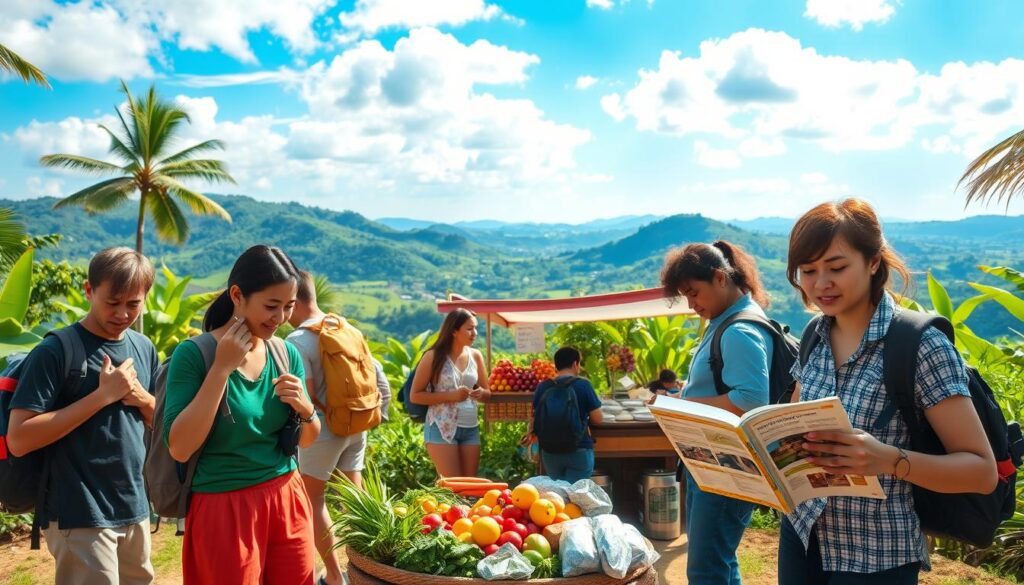
Drinking plenty of water is very important in Southeast Asia’s heat. Always carry a refillable water bottle and use filtered water stations. This keeps you hydrated and helps you stay energized all day.
Trying local street food is a big part of the fun. But, you need to be careful about where you eat. Look for places that are busy and have fresh ingredients. Also, choose vendors who cook food right in front of you for the best experience.
When eating delicious street food, trust your gut about cleanliness and food safety. If a place looks dirty or the food has been out too long, find somewhere else. These small health precautions help you enjoy the local food safely.
Staying Connected and Digital Security
For the modern digital nomad, staying connected is key. It keeps you in touch with work and adventure. Before you go, check your essential gear list to make sure your devices are ready.
Local SIM Cards and E-SIM Options
Getting a local SIM card is the best way to get fast data in Southeast Asia. You can buy one at the airport. Make sure your phone is unlocked by your carrier before you leave.
E-SIMs are another great option. They work with certain phones and let you get data plans easily. This digital solution makes switching networks simple.
Protecting Your Data with VPNs
Public Wi-Fi is everywhere, but it’s not always safe. A VPN keeps your data safe by encrypting your internet. It hides your IP address, so hackers can’t find you.
Put a good VPN on all your devices before you start your trip. Always use it when you’re on public Wi-Fi. This way, you can work or travel without worrying about hackers.
Cultural Etiquette and Respectful Tourism
Understanding local customs helps you connect deeply with Southeast Asia’s people. By following cultural etiquette, you become a welcome guest. This way, your visit supports the community and enriches your journey, as you follow the ultimate guide to backpacking South East.
Dress Codes for Temples and Sacred Sites
Religious sites are sacred, and dressing modestly shows respect. In Buddhist and Hindu temples, both men and women should cover their shoulders and knees. Carry a lightweight sarong in your daypack for temple visits.
Always remove your shoes before entering a temple or a local home. This act of cultural etiquette shows you respect the space. Look for signs, as some places have rules about photography or silence.
Interacting with Locals and Social Norms
Starting a good relationship with locals begins with a polite greeting and humility. A gentle smile and nod can help break barriers. Avoid loudness or public frustration, as calmness is valued.
“The real voyage of discovery consists not in seeking new landscapes, but in having new eyes and a respectful heart for the cultures we encounter.”
Here’s a guide to help you understand social norms:
| Action | Recommended Behavior | Avoid |
|---|---|---|
| Temple Entry | Cover shoulders and knees | Wearing sleeveless tops |
| Social Greeting | Use a polite nod or smile | Aggressive physical contact |
| Public Conduct | Maintain a calm demeanor | Public displays of anger |
| Foot Usage | Keep feet on the floor | Pointing feet at people |
Practicing cultural etiquette makes your visit better for everyone. Embracing local norms lets you move with confidence. Your respectful tourism leaves a lasting positive impact on the communities you visit.
Choosing Safe and Reliable Accommodation
Finding a safe and comfy place to stay is key for backpackers. Your lodging choice affects your travel safety and overall trip quality. A good room is a place to rest after exploring all day.
Vetting Hostels and Guesthouses
Don’t just look at the cost. A good accommodation guide says to check recent reviews from other travelers. Look for comments on cleanliness, staff help, and safety features like lockers or key cards.
Think about these points when picking a place:
- Location: Pick areas that are bright and near public transport.
- Social Atmosphere: Choose hostels with common areas for meeting others.
- Security Features: Make sure the place has safe storage for your things.
Using Verified Booking Platforms
Booking through trusted sites adds safety to your trip. These platforms offer verified reviews and secure payments, key for travel safety. They also have customer support if problems come up.
The table below compares features of major booking sites to help you choose:
| Platform Feature | Booking.com | Hostelworld |
|---|---|---|
| Verified Reviews | High | High |
| Social Features | Moderate | Excellent |
| Cancellation Policy | Flexible | Standard |
Always check your booking details through the official app or website. This accommodation guide helps you stay in safe places. So, you can enjoy your trip without worry.
Emergency Preparedness and Insurance Coverage
Traveling with peace of mind means having a safety net for any situation. No one expects accidents or sudden changes. But being proactive helps you face challenges with confidence. Getting travel insurance is the best way to protect yourself financially and physically while exploring.
“By failing to prepare, you are preparing to fail.”
Selecting Comprehensive Travel Insurance
When picking a policy, look for more than just medical coverage. A good plan should include trip cancellation protection, emergency medical evacuation, and lost or stolen items coverage. Always check the details to make sure your activities, like motorbike riding or water sports, are covered.
The table below shows the key areas to focus on when comparing providers. This ensures you have enough protection.
| Coverage Type | Why It Matters | Key Benefit |
|---|---|---|
| Medical Emergencies | High costs of foreign care | Direct payment to hospitals |
| Trip Cancellation | Unforeseen personal issues | Reimbursement of non-refundable costs |
| Lost Belongings | Theft or airline mishandling | Replacement of essential gear |
Creating a Digital Backup of Important Documents
Protecting your travel documents is key. Physical copies can get lost or damaged. So, it’s smart to keep digital backups in a secure cloud storage.
Make sure you have clear scans of your passport, visa, vaccination records, and insurance policy. Use a password-protected folder or a travel app for instant access to your documents from anywhere. This simple step keeps you safe and organized, even if your bag is lost.
Conclusion
A successful trip to Southeast Asia needs careful planning, respect for local culture, and a true sense of adventure. These backpacking tips are a great starting point for your travels. You’ll explore different landscapes and lively cities.
Travelers who focus on safety and organization enjoy more freedom. These tips help you deal with complex borders and customs confidently. You can then dive into the unique experiences that make this region special.
Being flexible is key for any adventurer. While plans are helpful, the best moments often come from unexpected events. By living like the locals, you’ll really connect with the places you visit.
Make sure your digital documents are safe and stay up-to-date with local news. This guide is here to help you on your journey. We also invite you to share your stories and tips with others. This way, we can all support each other as we explore.