Walking through historic streets and feeling the fresh Scandinavian air might seem too expensive for many Americans. You might think the high cost of living in Northern Europe will use up all your savings before you even start. But, you don’t need to spend a lot to experience the magic of this region if you plan well.
By choosing affordable travel to denmark, you can find hidden treasures without breaking the bank. Making smart choices, like exploring local markets or using public transit, can make a big difference. We’re here to help you every step of the way.
Our guide gives you key copenhagen travel tips to explore the capital like a local. We show you how to find cheap places to eat and make the most of your day. We want to make sure your trip to denmark on a budget is both affordable and unforgettable. Let us help you make your travel dreams come true.
Key Takeaways
- Prioritize public transportation to save significantly on daily travel costs.
- Seek out local street food markets for high-quality, inexpensive dining experiences.
- Utilize city passes to gain discounted access to major cultural attractions.
- Plan your visit during the shoulder season to secure lower accommodation rates.
- Focus on free walking tours to explore historic sites with expert local guidance.
Strategic Planning for Denmark on a Budget
Learning to travel to Denmark affordably starts before you fly. Set a daily spending limit to enjoy Denmark’s culture without overspending. Effective preparation helps you explore without breaking the bank.
Choosing the Right Time to Visit
When you visit Denmark can greatly affect your costs. Prices for hotels and services change with the seasons. Summer is usually the most expensive time.
Here’s a seasonal guide to help you save:
| Season | Cost Level | Travel Benefit |
|---|---|---|
| Winter (Nov-Mar) | Low | Fewer crowds and lower rates |
| Shoulder (Apr-May, Sep-Oct) | Moderate | Balanced weather and pricing |
| Peak (Jun-Aug) | High | Optimal weather for outdoor activities |
Booking Flights from the United States
Finding cheap flights to Denmark needs some planning. Book at least three to four months in advance for the best deals.
Here are some tips to save:
- Use price comparison engines to set alerts for your preferred travel dates.
- Be flexible with your departure and arrival airports to find lower fares.
- Travel on mid-week days, such as Tuesdays or Wednesdays, which are often cheaper than weekend flights.
- Consider budget-friendly airlines that offer routes from major US hubs to Copenhagen.
By using these strategies, you can make your trip to budget-friendly Denmark affordable from start to finish. Being smart with your initial bookings lets you spend more on local experiences when you get there.
Navigating Danish Transportation Costs
Learning to use public transport is key for visitors to Copenhagen. Denmark has a well-connected network of buses, trains, and metros. This makes it easy to avoid high taxi costs and move around like a local.
Utilizing the Rejsekort System
The Rejsekort is Denmark’s electronic ticketing system. It’s a smart card that you can reload. It helps you find the cheapest fare for your trip.
- Automatic discounts: Fares are often lower than buying paper tickets.
- Convenience: One card works for buses, trains, and the metro nationwide.
- Flexibility: You can top up your balance at stations or online.
Benefits of Regional Train Passes
Traveling between cities? Regional train passes are a great value. DSB offers passes for tourists traveling long distances. These passes let you travel within zones or across the country for a set time.
Compare the cost of a multi-day pass to individual tickets. For a busy schedule, these passes are a cost-effective solution. They make traveling between regions easier.
Cycling as a Primary Mode of Transport
Cycling is a big part of Danish life. Most cities have bike lanes, making it safe and efficient. Renting a bike is cheaper than public transport for short trips.
Many places offer daily bike rentals. You can also use bike-sharing apps. Cycling is an eco-friendly way to see the city at your own pace.
Affordable Accommodation Strategies
Finding a great place to stay in Denmark doesn’t have to be expensive. By focusing on value and location, you can have a comfortable trip without spending too much. This denmark accommodation guide helps you find the best deals in the local lodging market.
Hostels and Budget Hotel Chains
Modern hostels in Denmark offer more than just shared rooms. They have private rooms that are as clean and stylish as any hotel. Chains like Wakeup Copenhagen or Cabinn provide small, efficient rooms for budget travelers.
These places focus on the basics without the fancy extras of luxury resorts. They are key to a budget-friendly denmark trip. You get to stay in central locations without breaking the bank.
Alternative Stays via Local Platforms
Travelers can also find unique places to stay through local platforms. Renting a room or a small apartment can be more authentic and cheaper. Plus, you often get to use a kitchen, which helps you save money by cooking your own meals.
“The secret to affordable travel is not just about finding the cheapest bed, but finding the best value for your specific needs.”
Staying Outside the Copenhagen City Center
Looking for places to stay just outside the city center can save you money. Neighborhoods connected by the S-train or Metro are cheaper than the tourist areas. You can easily get to attractions in 15 to 20 minutes and enjoy a more local vibe.
| Accommodation Type | Average Price Range | Best For |
|---|---|---|
| Modern Hostels | $50 – $90 | Solo travelers and groups |
| Budget Hotel Chains | $80 – $130 | Couples and business travelers |
| Suburban Rentals | $60 – $110 | Longer stays and families |
Doing your research and booking early are the best ways to get good deals. Staying a bit outside the city center helps you save money without losing convenience. This way, your denmark accommodation guide trip will be both fun and budget-friendly.
Dining Out Without Breaking the Bank
Managing your daily food expenses is key to a budget-friendly trip to Denmark. The country offers high-quality meals at reasonable prices. By choosing budget dining in Denmark, you can save money for other activities.
Embracing the Street Food Culture
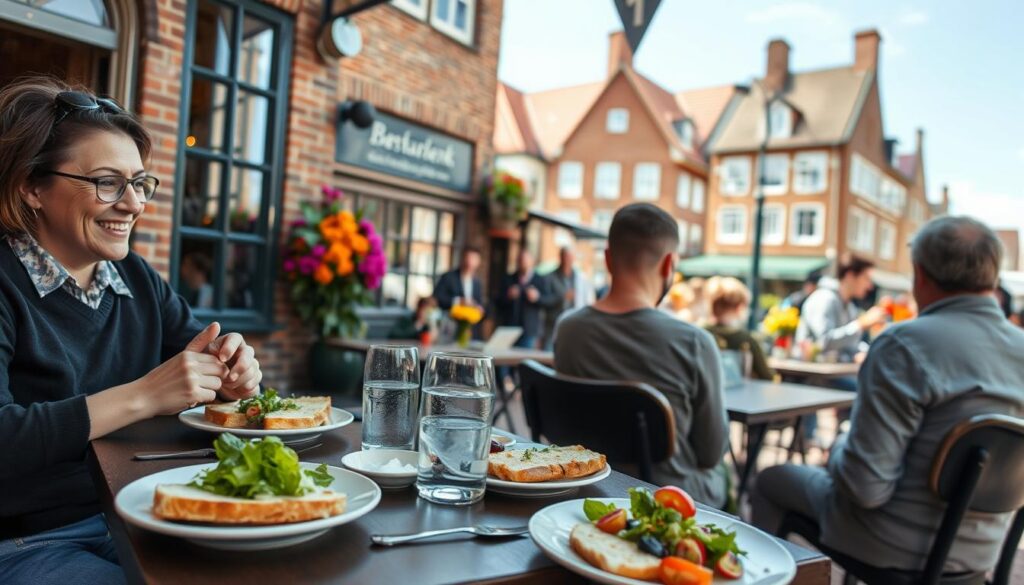
Denmark’s street food markets are booming. They offer a wide range of flavors at affordable prices. Here, you can enjoy everything from gourmet hot dogs to international dishes in a relaxed setting.
- Reffen in Copenhagen: A massive outdoor food park featuring sustainable stalls and harbor views.
- Torvehallerne: An upscale indoor market perfect for grabbing fresh, artisanal snacks or light lunches.
- Local Food Trucks: Frequently found near parks and transit hubs, these offer quick, affordable bites for travelers on the move.
Supermarket Hacks for Daily Meals
Using local supermarkets is a great way to save money in Denmark. Chains like Netto, Rema 1000, and Føtex offer great deals on fresh produce, bread, and salads.
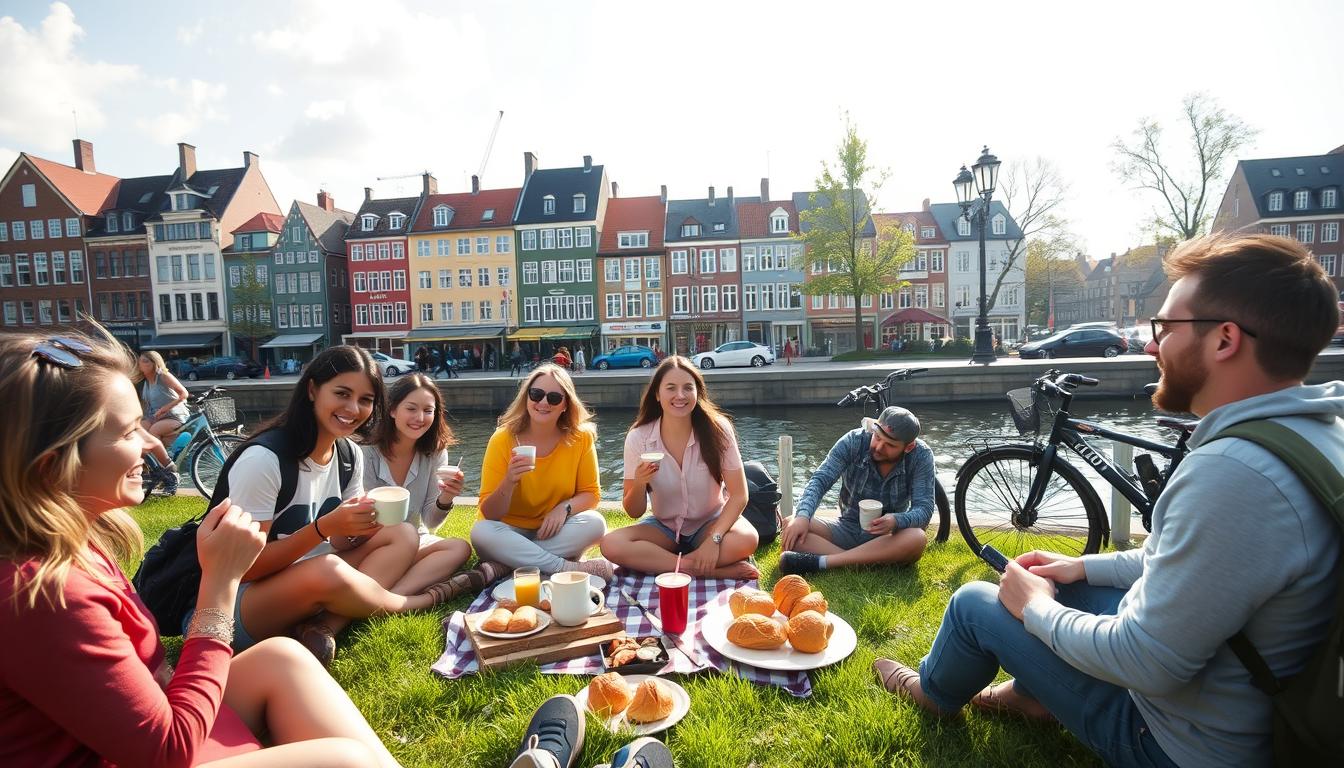
Buying supplies for a picnic in public parks is another smart move. It’s cheaper than eating out for every meal.
Understanding the Tipping Culture in Denmark
American visitors will find the tipping culture in Denmark straightforward. Service charges are already included in the menu prices. Tipping is not expected by staff.
While you might tip for exceptional service, it’s optional. This means you can plan your dining budget more easily, as the menu price is what you’ll pay.
| Dining Option | Estimated Cost (USD) | Best For |
|---|---|---|
| Supermarket Meal | $5 – $10 | Quick lunches and picnics |
| Street Food Market | $12 – $20 | Casual, social dining |
| Mid-Range Restaurant | $30 – $50 | Evening dinner experiences |
Free and Low-Cost Cultural Experiences
Traveling on a budget in Denmark can be amazing. You don’t have to spend a lot to enjoy the history and art here. By choosing budget-friendly Denmark activities, you can really connect with the local culture.
Exploring Public Parks and Gardens
Denmark’s cities have beautiful parks that are free to visit. These parks are great places to relax and enjoy nature. They are also historic landmarks.
- The King’s Garden (Kongens Have): In Copenhagen, this park is the oldest and most visited. It surrounds the Rosenborg Castle.
- Botanical Garden: Explore exotic plants and historic glasshouses.
- Local Community Parks: These parks offer a quiet look at how locals spend their free time.
Taking Advantage of Free Museum Days
Many museums in Denmark offer free or reduced admission on certain days. Planning your visit around these times is a smart move. It lets you see amazing art and history without spending a lot.
Pro tip: Always check the official websites of major museums before you go. Some offer free entry on specific weekdays, like Wednesdays or the first Sunday of the month.
Walking Tours and Self-Guided Sightseeing
Walking is a great way to see Danish towns. You can make your own route to explore historic areas and hidden spots. It’s a flexible way to see the country at your own pace.
Here are tips for a successful self-guided tour:
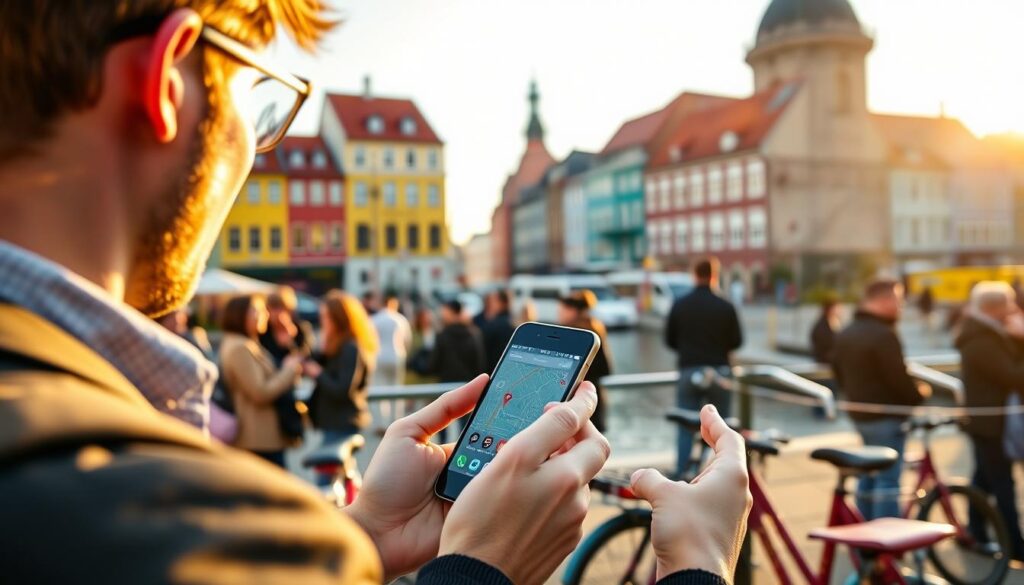
- Download local map apps to find interesting spots like statues and public art.
- Explore areas like Nyhavn or the Latin Quarter for their unique architecture.
- Look for free walking tours led by volunteers. You can pay what you can afford.
Choosing these low-cost options makes your trip both affordable and culturally rich. These experiences let you see Denmark’s true character, beyond the usual tourist spots.
Managing Currency and Banking Fees
Smart travelers know that how they pay for goods in Denmark impacts their budget. By following a few denmark currency tips, you can spend your money on experiences, not bank charges. Proper preparation helps you navigate the local economy with confidence.
Avoiding Foreign Transaction Fees
Before leaving the United States, check if your credit and debit cards have foreign transaction fees. Many travel cards don’t charge these fees, which can be 1% to 3% per purchase. Always check your bank’s policy to avoid unexpected charges.
If you’re staying for a while, learn how to manage your bank budget effectively. Choosing the right financial tools early is key to your pre-trip strategy.
Using Credit Cards Versus Cash
Denmark is very digital, and card payments are common for almost all transactions. Even small purchases, like a coffee or bus ticket, can be made with a card or mobile app. Carrying lots of cash is unnecessary and often a hassle.
While digital payments are preferred, it’s wise to have some local currency for emergencies. Most places accept major international credit cards, making your trip smooth and efficient.
Understanding the Danish Krone Exchange Rate
The Danish Krone (DKK) is Denmark’s official currency. Many businesses show prices in Euros, but you’ll pay in Krone. Keeping an eye on the exchange rate helps you understand your spending power.
When using an ATM, choose to be charged in local currency, not your home currency. This avoids bad exchange rates set by the machine. Using these denmark currency tips helps you manage your travel finances well.
| Payment Method | Acceptance Level | Best For |
|---|---|---|
| Credit Cards | Very High | Daily purchases and hotels |
| Mobile Apps | High | Quick transactions and transit |
| Local Cash (DKK) | Moderate | Small markets and emergencies |
Smart Shopping and Tax Refunds
Smart shopping lets you enjoy Denmark’s retail scene without spending too much. Plan your buys to get authentic souvenirs without breaking the bank. Whether you seek high-end designs or vintage items, knowing the local shopping rules is essential for every visitor.
Navigating the Tax-Free Shopping Process
If you’re from the United States, you might get a refund on the Value Added Tax (VAT) on your purchases. Tax-free shopping denmark is a simple way to save on big buys. Most big stores join this program and give you the forms you need right then.
To get a refund, your total must be over a certain amount at one store. Always have your passport ready, as you’ll need it for the tax-free forms. When you leave, show your stamped forms and receipts at the airport customs to get back some of what you spent.
Finding Local Markets and Thrift Stores
Danish local markets and thrift stores offer a different shopping experience. They’re great for finding unique, high-quality items at lower prices than tourist areas. Shopping here supports the local community and gives you a real taste of Denmark.
Thrift stores, or “genbrug,” are full of vintage clothes and Danish home decor. Weekend flea markets let you meet locals and find special items not found in regular shops. Using these spots is a smart way to save money and get meaningful souvenirs.
Connectivity and Communication Savings
Digital connectivity is key for modern travel, but high roaming costs can be a big issue. Plan your mobile needs before you go to saving money in denmark. This way, you can stay in touch with loved ones without breaking the bank.
Purchasing Local SIM Cards
Getting a local prepaid SIM card is a smart budget move. Companies like Lebara, Lycamobile, and Oister offer great deals. These plans save a lot of money on denmark mobile data savings compared to what US carriers charge.
You can find these SIM cards at 7-Eleven or mobile shops in big transit areas. Make sure your phone is unlocked so it works with international SIMs without issues.
Leveraging Public Wi-Fi Networks
Denmark has great public internet access, which is perfect for staying connected without using your data. Cafes, libraries, and hotels often have free, fast Wi-Fi. For more digital tips, check out these recommendations to improve digital connectivity for everyone.
Public Wi-Fi is handy, but keep your data safe. Use a Virtual Private Network (VPN) when you’re online. This simple step keeps your personal info secure while you enjoy free internet across the country.
| Option | Cost Efficiency | Convenience | Best For |
|---|---|---|---|
| Local SIM Card | High | Medium | Heavy Data Users |
| Public Wi-Fi | Excellent | High | Casual Browsing |
| US Roaming Plan | Low | Very High | Emergency Use |
Seasonal Budgeting Considerations
Choosing the right travel dates is key to a budget-friendly trip to Denmark. By matching your trip with local demand, you can save a lot. Knowing these patterns is a must for those looking for affordable travel to denmark.
Winter Travel Advantages
Traveling in the cold months can save you money. With fewer people around, hotels and rentals cost less. Plus, you’ll face shorter lines at popular spots.
Here are some perks of winter visits:
- Lower airfare prices from major US hubs.
- Increased availability of discounted accommodation packages.
- Shorter wait times at museums and cultural landmarks.
- Authentic local experiences without the tourist rush.
Managing Costs During Peak Summer Months
Summer in Denmark is lovely but pricey. High demand for flights and hotels raises costs. To save, book early and be flexible.
The table below shows cost differences by season to aid in planning:
| Expense Category | Winter (Off-Peak) | Summer (Peak) |
|---|---|---|
| Accommodation | Budget-Friendly | Premium Pricing |
| Flights | Lower Cost | High Demand |
| Attractions | Discounted/Free | Standard Rates |
To keep costs down in summer, book early. Look for places outside the city center to avoid high prices. Being flexible with dates can help you enjoy the Danish summer without breaking the bank.
Essential Apps for the Frugal Traveler
Smart travelers know the secret to saving money is in their hands. The right apps help make quick, money-saving decisions. These copenhagen travel tips let you explore like a local without spending too much.
Transportation and Navigation Tools
Getting around cheaply is key to a budget trip. Check out this guide on apps for travelers before you go. The DOT app is a must for tracking buses and trains.
These tools help you skip pricey taxis and use public transit with ease. Plan your route ahead to save money and avoid wrong turns.
Food Waste and Discount Dining Apps
Eating out in Denmark can be pricey, but tech offers a smart fix. Apps like Too Good To Go let you buy leftover food at a low cost.
This not only saves money but also helps the environment. Look for essential travel apps denmark that offer discounts or “surprise bags” from local spots. These apps are key for anyone watching their budget who wants to try Danish food without the high cost.
Safety and Practical Tips for US Visitors
Keeping yourself safe is key to a great Scandinavian trip. While you plan your denmark trip cost, don’t forget to learn about the local area. Being ready helps you enjoy your visit without worry.
Understanding Local Laws and Customs
Denmark is known for being very safe. But, to stay safe, you need to follow local rules and customs. Danes like to be on time, modest, and quiet in public.
Remember, Denmark’s laws about public behavior are strict. Always carry your passport with you. Knowing these rules helps you fit in and avoid trouble.
“Preparation is the ultimate key to freedom when traveling abroad; when you know you are protected, you are free to fully immerse yourself in the culture.”
Emergency Resources and Health Insurance
Getting denmark travel insurance is a must for any traveler. Even though Denmark’s healthcare is top-notch, it can be expensive for visitors. Make sure your policy covers emergency flights home.
If you need help fast, call 112. It connects you to police, fire, or ambulance. Always have your denmark travel insurance info ready, both online and in print.
| Service Category | Action Required | Importance Level |
|---|---|---|
| Emergency Contact | Dial 112 | Critical |
| Medical Coverage | Purchase Insurance | High |
| Documentation | Carry Passport | Mandatory |
| Local Laws | Research Norms | Moderate |
Conclusion
Traveling to Denmark on a budget is a great adventure for anyone from the United States. With some planning, your trip can be both affordable and full of authentic experiences. Cities like Copenhagen and Aarhus are perfect for exploring.
Adopting local habits can make your trip more affordable and meaningful. Using public transport and shopping at local markets saves money. It also lets you connect more with Danish culture.
By making smart choices, you can enjoy Denmark’s beauty without breaking the bank. Every dollar you save opens up new opportunities for unexpected adventures. Denmark is a welcoming place for travelers.
We suggest using these tips for your next trip. Focus on the small, everyday moments of discovery. Traveling with a plan brings peace of mind and enriches your experience.