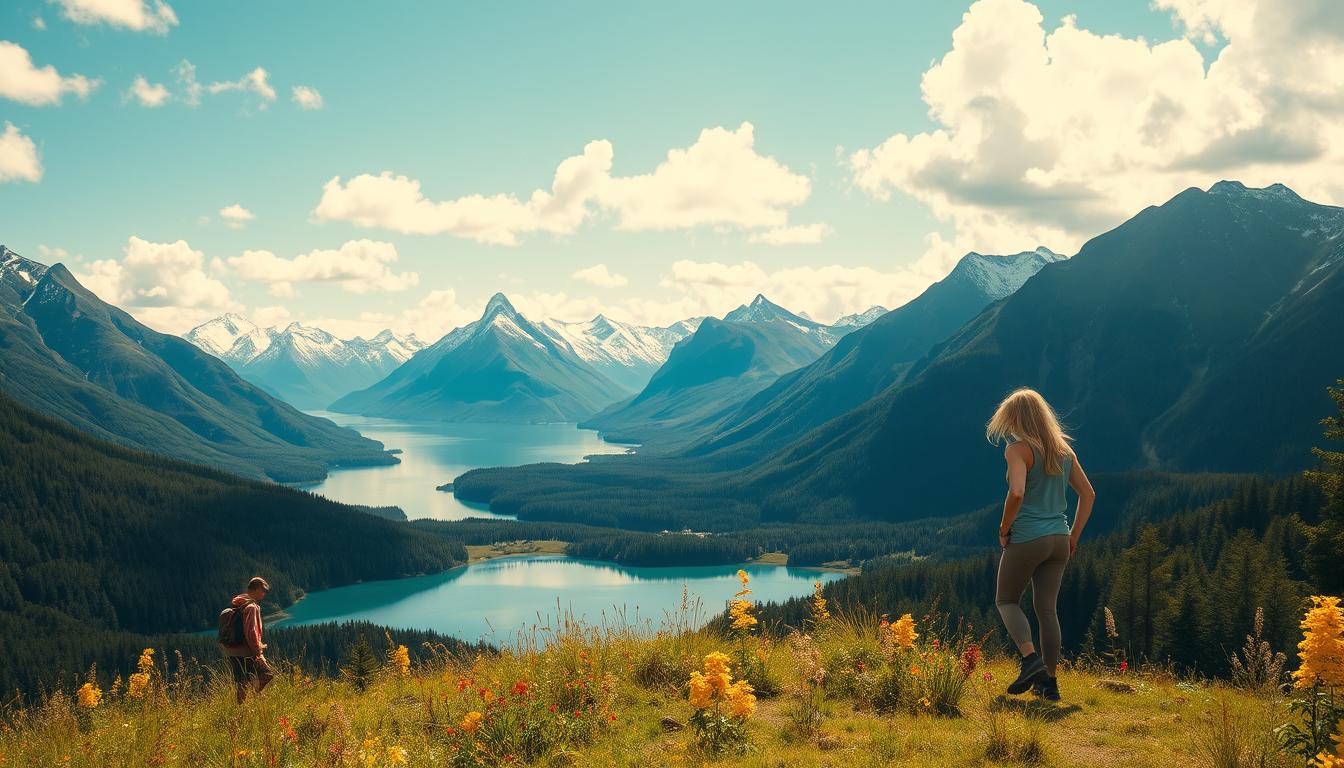
Imagine standing amidst towering, snow-capped peaks while the crisp air fills your lungs. For many travelers, this island nation is the ultimate escape. It offers a profound connection to nature and indigenous traditions. Whether you seek the thrill of alpine adventures or the quiet charm of vibrant coastal cities, this destination captures the heart of every explorer.
Yet, the beauty of such remote landscapes requires careful planning. True peace of mind comes when you balance your sense of wonder with a commitment to personal safety. By prioritizing thorough preparation, you ensure that your journey remains focused on discovery, not unexpected stress.
Our mission is to provide the reliable guidance you need for a worry-free experience. We believe that informed travelers are the most confident ones. They are ready to embrace every moment of their journey with complete security.
Key Takeaways
- New Zealand offers a unique blend of majestic mountain ranges and rich cultural heritage.
- Prioritizing safety allows for a more immersive and enjoyable travel experience.
- Preparation is the foundation of a stress-free international adventure.
- Reliable information helps travelers navigate diverse landscapes with confidence.
- Balancing excitement with caution ensures a memorable and secure trip.
The Primary Reason to Visit New Zealand: A Land of Unparalleled Landscapes
New Zealand is a land of incredible diversity, like traveling through different continents in one trip. It’s a haven for those who love raw, untouched beauty. This unique place is the main reason to visit New Zealand for millions every year.
Geological Wonders and Volcanic Activity
The islands have a fascinating geological history. You can see the earth moving through mud pools, vents, and volcanic cones. These areas offer a rare look at the forces shaping our planet.
The North Island is known for its geothermal parks. Here, the ground seems to breathe. Scientific curiosity meets beauty in these spots, making them must-see places. The contrast between dark rock and colorful waters is breathtaking.
The Pristine Beauty of Fiordland National Park
In the South Island, Fiordland National Park awaits. It’s home to Milford Sound, with cliffs and deep waters. This place feels both ancient and alive.
New Zealand landscape photography shines here, with its waterfalls and mountains. The park’s scale is unmatched. Seeing it from a boat or trail is humbling.
Coastal Escapes and Golden Sand Beaches
The coastline offers a calm contrast to the mountains. New Zealand has many shores, from wild black-sand beaches to peaceful golden-sand coves. These spots are great for those who love the ocean.
- Abel Tasman National Park: Known for its turquoise waters and golden sands.
- Piha Beach: Famous for its strong surf and Lion Rock.
- Cathedral Cove: A beautiful spot with limestone arches and clear lagoons.
Every visitor finds a special connection to New Zealand’s diverse landscapes. Whether you’re a photographer or nature lover, the country’s beauty is unmatched. Exploring these landscapes is rewarding, but it requires respect.
Navigating New Zealand Entry Requirements for U.S. Citizens
Getting ready for your trip to New Zealand means paying attention to the details. Make sure you meet all new zealand entry requirements before you go. This way, you can enjoy your vacation without any worries.
Understanding the NZeTA Process
If you’re visiting new zealand from usa, getting the New Zealand Electronic Travel Authority (NZeTA) is key. It’s needed for all visa-waiver travelers coming by air or cruise. You can apply for the New Zealand Electronic Travel Authority (NZeTA) online through the official site.
Apply for your NZeTA well before you leave. Processing times can change, and getting it early means less stress. Always double-check your details to avoid any travel hiccups.
Passport Validity and Documentation Essentials
Your passport is your main travel document. New Zealand needs it to be valid for at least three months after you plan to leave. If your passport is about to expire, renew it before booking your flights.
It’s important to keep your travel documents in order. We recommend having a digital copy of your travel authorizations with your passport. Below is a list of important documents to check before you leave the United States.
| Requirement | Status | Action Needed |
|---|---|---|
| Passport Validity | 3+ Months | Check expiration date |
| NZeTA | Mandatory | Apply online early |
| Return Ticket | Required | Confirm booking details |
| Travel Insurance | Recommended | Secure a good policy |
Essential Travel Insurance for Your Kiwi Adventure
Your dream vacation to New Zealand needs the right financial protection. Even though the country is safe, getting travel insurance for new zealand is key. Things like lost luggage or sudden illness can ruin your trip.
Why You Need Full Coverage
Most health insurance doesn’t cover you abroad. Comprehensive travel coverage protects you from many unexpected issues. It includes trip cancellations, medical emergencies, and personal liability.
Choosing a good plan lets you enjoy the views without stress. It’s like having a safety net for your finances. Make sure the policy fits your travel plans.
Choosing Policies That Cover Adventure Sports
New Zealand is a hotspot for adventure, like in Queenstown. Activities like bungy jumping or skydiving might not be covered by standard policies. Check that your policy includes new zealand adventure sports.
“Adventure travel is about pushing boundaries, but it should never come at the cost of your long-term financial stability. Always confirm that your insurance provider recognizes your planned activities as covered events.”
Not getting the right coverage can lead to big medical bills if you get hurt. Tell your insurance agent about your plans to make sure you’re covered.
Understanding Medical Evacuation and Repatriation
In remote areas, getting to a hospital quickly can be hard. Medical evacuation coverage is vital. It pays for transport to a better hospital. Repatriation ensures you can get back home if needed.
| Coverage Feature | Basic Plan | Comprehensive Plan |
|---|---|---|
| Emergency Medical | Limited | Full Coverage |
| Adventure Sports | Excluded | Included |
| Medical Evacuation | Basic | Unlimited/High Limit |
| Trip Cancellation | Partial | Full Refund |
Focus on these key points to have a worry-free trip. Being well-prepared is what makes a confident traveler.
Health Precautions and Staying Well on the Road
Keeping healthy on your Kiwi trip means knowing the new zealand health precautions needed here. New Zealand is generally safe, but taking care of your health keeps you enjoying the views without worries.
Managing Sun Exposure and UV Intensity
New Zealand’s air is clean, but the sun’s rays are strong. Even on cloudy days, the sun can harm your skin faster than elsewhere.
To stay safe outside, follow these sun protection tips:
- Apply broad-spectrum, high-SPF sunscreen every two hours.
- Wear wide-brimmed hats and high-quality sunglasses.
- Use long-sleeved, lightweight clothes during the sunniest hours.
Accessing Healthcare Services as a Foreign Visitor
Finding medical help in New Zealand is easy for most visitors. The country offers top-notch care, but remember, you pay for it yourself.
For non-urgent issues, you might see a private clinic or GP. Always have your travel insurance ready. It’s key for handling new zealand health precautions and medical costs.
| Service Type | Access Method | Payment Expectation |
|---|---|---|
| General Practitioner | Appointment required | Upfront payment |
| Pharmacy | Walk-in service | Out-of-pocket |
| Emergency Care | 111 Service | Insurance billed |
Vaccinations and Local Health Advisories
No special vaccinations are needed to enter New Zealand. But, getting your usual shots is always a good idea for travelers.
Check the latest health advisories before you go. Knowing about local health issues is part of your new zealand health precautions plan. It helps you stay healthy on your trip.
Safe Driving Practices on New Zealand Roads
Driving in New Zealand lets you see stunning views at your own pace. But, the roads have their own set of challenges. Staying safe makes your trip unforgettable.
Adapting to Left-Hand Traffic
Driving on the left side of the road is a big change for many. It’s different if you’re used to driving on the right. Staying alert at intersections and roundabouts is key to avoid getting confused.
Here are some tips for safe driving in New Zealand:
- Always check your blind spots before turning or changing lanes.
- Remember that the driver’s seat is positioned on the right side of the vehicle.
- Use a rental car with an automatic transmission to reduce the mental load of shifting gears with your left hand.
Navigating Winding Alpine Passes and Rural Roads
New Zealand’s dramatic landscapes include steep mountain passes and narrow roads. These routes are challenging and need your full attention. Defensive driving is essential for safe travel.
Here are some tips for driving in rural or alpine areas:
- Maintain a safe following distance, even on wet or unsealed roads.
- Be ready for sudden weather changes that can affect road grip.
- Watch out for animals or wildlife that might cross rural roads.
Understanding Local Road Signs and Hazards
Local road signs are important for knowing speed limits, sharp curves, and hazards. Learning these signs before you start is vital for safe travel. Many rural roads have no wide shoulders, so be careful.
If you face tough conditions, pull over at designated spots to rest or check your route. Taking your time is the best way to enjoy driving in New Zealand while staying safe.
Outdoor Safety and Respecting the Environment
Exploring New Zealand’s natural wonders is a big responsibility. It means following safety rules. Whether you’re into new zealand adventure sports or just hiking, being safe is key. It keeps you and the environment safe.
The Importance of the New Zealand Outdoor Safety Code
The New Zealand Outdoor Safety Code is a must-know for outdoor adventures. It’s a guide that helps you stay safe in the wilderness. By following it, you ensure a great trip for everyone.
- Plan your trip: Get advice from locals and choose a path that fits your skills.
- Tell someone your plans: Share your itinerary and when you’ll be back with someone you trust.
- Be prepared: Bring the right gear, like maps and emergency supplies.
Preparing for Rapidly Changing Weather Conditions
New Zealand’s weather can change fast, from sunny to cold in minutes. Even pros of new zealand adventure sports must be careful. Always check the weather forecast before you go.
Proper layering helps you stay warm. Wear waterproof clothes and extra layers. If the weather gets bad, it’s okay to go back or find shelter.
Leave No Trace Principles for Hikers
Keeping the outdoors beautiful is everyone’s job. The Leave No Trace idea helps protect nature for the future. By following these tips, you help keep the area healthy:
- Pack it in, pack it out: Take all trash with you.
- Stay on marked tracks: This helps avoid damaging the land and plants.
- Respect wildlife: Keep a safe distance and never feed animals.
Must-See Cultural Experiences and Indigenous Heritage
Exploring New Zealand means diving into the Māori culture’s living history. This culture is not just old stories but a vibrant, ongoing contribution to New Zealand’s identity. Those who visit with respect and curiosity find their trip deeply rewarding.
The idea of manaakitanga is key. It’s about showing hospitality, kindness, and respect. By following this, visitors can build real connections with the community. Experiencing authentic Māori culture helps us understand the values that shape New Zealand today.
Engaging with Māori Culture and Traditions
The haka is a powerful way to see indigenous heritage. It’s more than a dance; it shows strength, unity, and pride. Visitors should pay close attention and respect the deep meaning behind each step and chant.
Guided cultural tours offer a deeper look into traditional practices like weaving, carving, and storytelling. These experiences show the spiritual bond with the land. It’s important to choose tours led by the community to support preservation efforts.
Visiting Historic Sites and Museums
New Zealand has many museums and sites that tell the Māori people’s story. Places like the Museum of New Zealand Te Papa Tongarewa have comprehensive exhibits on history and achievements. These places are key for anyone wanting to grasp the cultural fabric of the nation.
Visiting sites like Waitangi Treaty Grounds connects you to the past. Walking through these places lets you think about the agreements that shape the country. Exploring these sites adds depth to your thoughtful travel experience and respects the land’s indigenous roots.
Urban Exploration: Safety Tips for Major Cities
Exploring Auckland and Wellington needs a mix of common sense and local knowledge. These cities are known for being safe and welcoming. To stay safe, follow the usual precautions you would in any big city.
Staying Aware in Auckland and Wellington
Auckland is famous for its beautiful skyline and busy harbor. It’s important to stay alert, even in crowded areas or at night. This way, your visit will be enjoyable and stress-free.
Wellington, the capital, is easy to get around on foot. Though crime is rare, it’s smart to keep your things safe in public. Here are some easy tips for safe travel:
- Secure your valuables, like passports and cameras, in a safe bag.
- Don’t walk alone in dark or isolated spots at night.
- Listen to your gut if a place or situation feels off.
Public Transportation Safety and Reliability
New Zealand’s public transport is reliable and efficient. It’s a great way to see the city’s sights. Whether you’re using buses or trains, you’ll find them safe and well-kept.
For budget travelers, public transport is a smart choice. It lets you explore without needing a car. Most cities use integrated ticketing, making travel easy and secure.
Plan your routes ahead of time for a worry-free trip. Knowing the schedules and using transport apps helps keep you safe. This way, you can enjoy your journey without stress.
Seasonal Considerations for Your Trip
Knowing when to visit is key for a great trip. Understanding New Zealand’s weather helps you plan better. This way, every day of your trip will be fun and safe.
Choosing the Best Time for Your Specific Interests
Choosing the best time to visit new zealand depends on what you want to do. Whether you love snow or beaches, when you go makes a big difference.
Here’s a seasonal guide to help plan your trip:
- Summer (December–February): Great for beach trips and water sports.
- Autumn (March–May): Best for hiking and taking photos with nice weather.
- Winter (June–August): Perfect for skiing and snowboarding in the Alps.
- Spring (September–November): Beautiful for seeing flowers and wildlife.
For more tips on planning, check out this guide on the best time to travel to New Zealand.
Packing Strategies for Variable Climates
New Zealand’s weather changes fast, often in minutes. Packing smart is key for a successful trip.
Use a layering system to stay comfortable. This way, you can adjust to the weather without heavy bags.
| Layer Type | Purpose | Recommended Material |
|---|---|---|
| Base Layer | Moisture management | Merino wool or synthetic |
| Mid Layer | Insulation and warmth | Fleece or down jacket |
| Outer Layer | Wind and rain protection | Waterproof, breathable shell |
Choose durable, versatile gear for sudden weather changes. This way, you’ll stay comfortable, no matter the weather.
Emergency Preparedness and Local Support Systems
Being ready for the unexpected is key when traveling abroad. Most visitors have a smooth trip, but it’s smart to have a plan for any issues. Knowing the local support systems helps you travel with confidence and less worry.
How to Use the 111 Emergency Service
If you face a serious problem, call 111. This number connects you to police, fire, or ambulance services nationwide. It’s free to call from any mobile, even without data or credit.
When you call 111, tell the dispatcher which service you need. Give your exact location clearly. This helps responders get to you fast. Using new zealand emergency services right means help comes quickly when you need it most.
Staying Connected with Local Authorities and Embassies
Having a good communication plan is key for your safety. Keep a list of local numbers, like the nearest police station and your embassy. Also, register your travel plans with your government for extra security.
If you have a non-urgent problem, like a lost passport, call your embassy. They can help with issues and work with local authorities. Here’s a table with important contacts to carry with you:
| Service Type | Contact Number | Primary Purpose |
|---|---|---|
| Emergency | 111 | Police, Fire, Ambulance |
| Non-Emergency Police | 105 | Reporting theft or minor incidents |
| Healthline | 0800 611 116 | Medical advice from registered nurses |
| U.S. Embassy | +64 4 462 6000 | Consular assistance for U.S. citizens |
Conclusion
New Zealand is a place where adventure meets peace. It’s a spot that touches the heart of every traveler. The main reason to visit is the chance to have a deep, personal experience.
Getting ready for your trip is key. Make sure you have good travel insurance and know the local safety rules. This way, you can enjoy the stunning views without any stress.
Respecting the environment and local ways is important. Every step you take helps keep New Zealand beautiful for others. Your actions help preserve the beauty of this island for the future.
Having a good plan lets you explore with ease. Whether you want to hike in the mountains or visit cultural spots, the right plan is essential. Start planning now to make your trip unforgettable.
Tell your friends or family about your travel plans. Knowing what’s going on locally keeps your trip safe and fun. Enjoy the beauty of Aotearoa and make memories that will last forever.