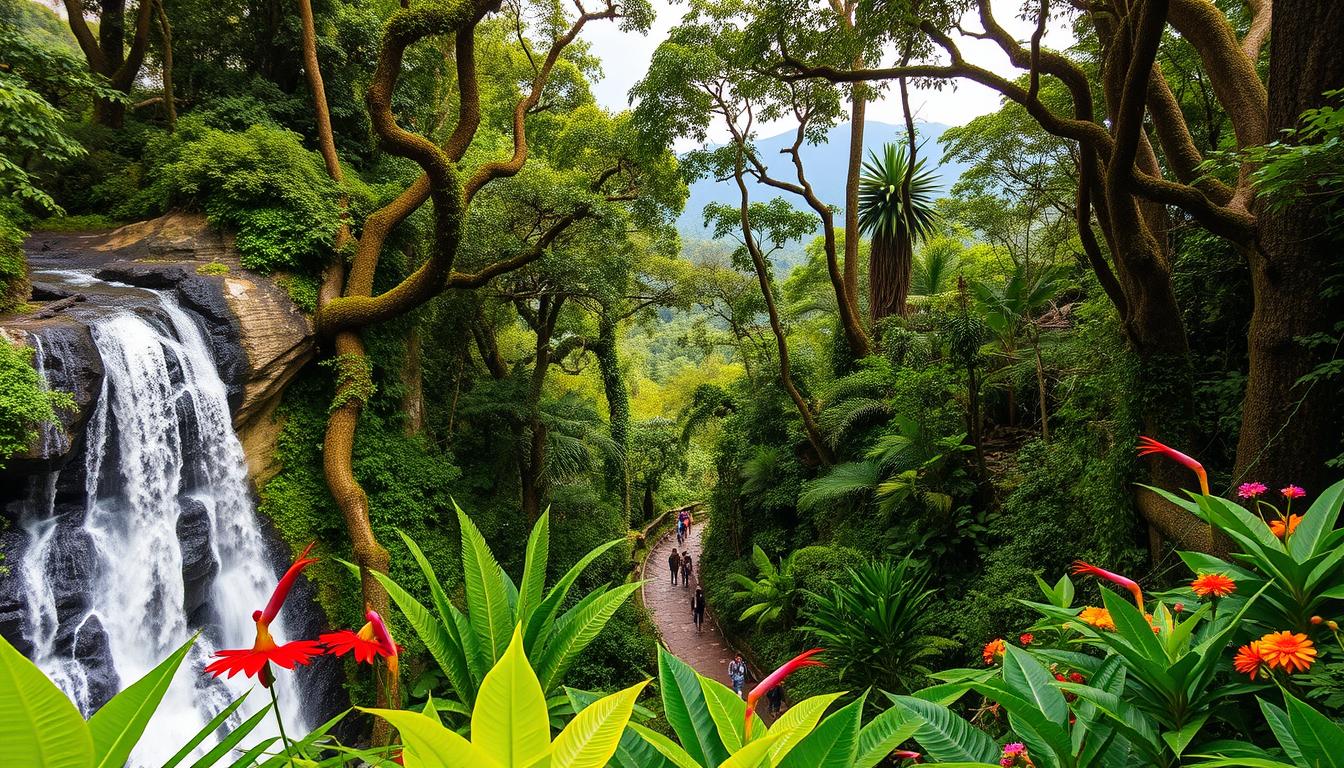
Entering the wilderness is a dream for many. The rainforest in bolivia is vast and demands respect and careful planning. It offers a deep connection to nature, unlike any other place.
Our Amazon travel guide helps turn uncertainty into confidence. We aim to let every traveler see the jungle’s beauty safely. With professional help, your trip will be a safe jungle adventure from start to end.
Key Takeaways
- Understand the essential preparations required for remote travel.
- Learn why professional guidance is vital for navigating dense ecosystems.
- Discover how to balance immersive exploration with personal security.
- Identify the best practices for responsible and sustainable tourism.
- Gain confidence through expert-backed safety protocols and planning.
Understanding the Bolivian Amazon Ecosystem
Exploring the rainforest in Bolivia means learning about its unique environment and life. This vast area works like a living machine. Every living thing helps keep the jungle healthy.
Biodiversity and Climate Patterns
The area is full of life, showing some of the highest Amazon biodiversity on Earth. In Madidi National Park, you can see thousands of plant, bird, and mammal species. They all thrive in the humid climate.
The climate is very humid and has clear seasons of rain. These seasons affect everything from plant growth to animal movements. They shape the jungle’s daily life.
Best Times of Year to Visit
Choosing the right time to visit is key for comfort and seeing wildlife. The dry season, from May to October, is best for trekking and river trips. It’s drier and easier to explore.
In these months, trails are clearer and animals are easier to spot near rivers. Here’s a table to help plan your trip to the rainforest in Bolivia:
| Season | Months | Conditions |
|---|---|---|
| Dry Season | May – October | Lower humidity, easier hiking |
| Wet Season | November – April | High rainfall, lush vegetation |
| Transition | April / November | Variable weather patterns |
To get the most out of Madidi National Park, think about these points when planning:
- Wildlife Activity: Animals are easier to see in the dry season, near water.
- Trail Conditions: Wet season trails are muddy, slowing down your journey.
- Overall Comfort: The dry season is cooler, making long trips more comfortable.
Respecting the natural cycles of Amazon biodiversity makes your visit safer and more meaningful. Good planning lets you enjoy the scenery without worrying about the weather.
Essential Travel Logistics and Entry Requirements
Starting your rainforest adventure smoothly means meeting all Bolivia entry requirements first. Doing this early lets you enjoy your trip without worries. Getting ready well in advance is key to a safe and organized trip.
Visa Regulations for United States Citizens
U.S. travelers to Bolivia for fun need a visa. You can get it at a Bolivian consulate or at big airports when you arrive.
It’s very important to check visa rules before you go. Make sure your passport is good for at least six months after your trip. Keeping both digital and paper copies of your visa is wise.
Recommended Vaccinations and Health Documentation
Keeping your health records up to date is vital. The Yellow Fever vaccination is a must for tropical areas.
Always carry your International Certificate of Vaccination or Prophylaxis (ICVP). It proves you’ve had the shot and might be asked for at borders. Talk to a travel doctor six weeks before your trip for other shots and health tips.
Don’t forget to pack a list of your medical history and any meds you take. Having this info with you means doctors can help you fast if needed. Looking after your health documents keeps you calm on your journey.
Choosing Your Gateway to the Rainforest in Bolivia
Choosing the right gateway is key to a successful jungle trip. The right base lets you focus on what you love, like conservation or wildlife. Proper planning makes your time in the wild both fun and safe.
Rurrenabaque as the Primary Hub
Rurrenabaque travel is the usual start for Amazon adventures. This town has everything needed for deep jungle trips. It’s the best place for getting transport and guides who know the area well.
Exploring the Madidi National Park
After setting up, Madidi National Park opens up. It’s famous for its amazing wildlife and untouched beauty. From the main hub, you can reach eco-lodges for a deep dive into nature.
The park is perfect for those who love trekking and want to see rare animals. It offers a deep connection to nature.
The Unique Wildlife of the Pampa Wetlands
The Pampa wetlands are great for wildlife watching. Its open spaces make spotting animals easy. You’ll see capybaras, caimans, and many birds on boat trips.
Many people visit both the wetlands and the forest. Planning your trip this way gives a full Amazon experience. It makes your adventure unforgettable.
Selecting Reputable Tour Operators
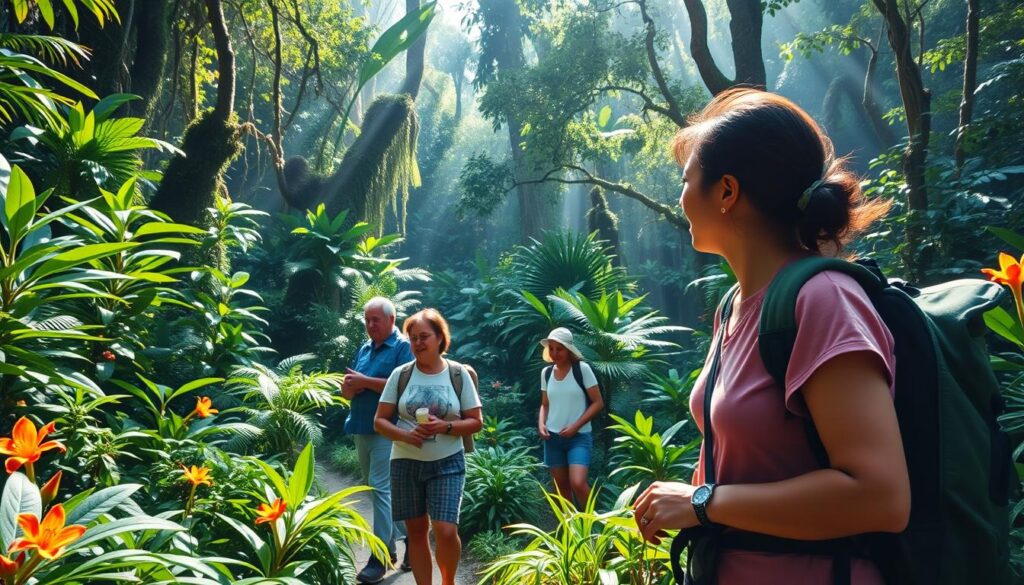
Exploring responsibly starts with finding operators who care about the Bolivian ecosystem. When you choose ethical tourism Bolivia, you help the environment and local communities. The right partner makes your trip meaningful and supports global conservation.
Identifying Certified Eco-Tourism Providers
Look for companies with environmental certifications or memberships in conservation groups. These providers are open about their practices, like waste management and energy use. Check out Bolivia tour operators to see their partnerships with local groups.
A truly reputable provider will focus on reducing human impact on the jungle. They should show how their work helps the local economy. By checking these details, you ensure your trip supports ethical tourism Bolivia.
Questions to Ask Before Booking
Talk to the operator to understand their commitment to safety and sustainability. Asking the right questions helps you choose a responsible adventure. Here are some questions to ask.
| Question Category | Key Focus Area | Desired Outcome |
|---|---|---|
| Community Impact | Local employment | Fair wages for indigenous guides |
| Conservation | Waste management | Zero-trace policy in the jungle |
| Wildlife Safety | Observation distance | Non-intrusive animal encounters |
| Emergency Prep | Medical training | Certified first-aid staff on-site |
Ask how the company helps the local community beyond jobs. A quality operator invests in education or village projects. This shows their commitment to ethical tourism Bolivia and leaves a lasting positive impact.
Health and Medical Safety in the Jungle
Exploring the Amazon requires careful health management. The jungle’s beauty comes with risks. Keeping jungle health safety in mind helps you enjoy your trip without health worries.
Managing Tropical Diseases and Prevention
Preventive care is key in the wilderness. Visit a travel clinic six weeks before your trip. They’ll advise on vaccinations like Yellow Fever and Typhoid.
Protecting yourself from bugs is also important. Use DEET-based repellents and wear long-sleeved, light-colored clothes. This helps avoid bites from mosquitoes and other insects.
Building a Complete First Aid Kit
Being prepared is essential for a safe jungle adventure. A good medical kit is your first defense. It should be small but cover all bases for minor injuries and common illnesses.
Here are some must-haves for your travel medical bag:
- Broad-spectrum antibiotics and antiseptic wipes for wound care.
- High-quality adhesive bandages and sterile gauze pads.
- Anti-diarrheal medication and oral rehydration salts.
- Tweezers for tick removal and antihistamines for allergic reactions.
Hydration and Food Safety Standards
Staying hydrated is vital in the jungle’s humid climate. Never drink untreated water from rivers or streams. It may have harmful bacteria or parasites.
Always use purified or boiled water to avoid stomach problems. Choose freshly cooked, hot meals. Avoid raw veggies or fruits that can’t be peeled, as they might be contaminated.
Packing Essentials for a Tropical Expedition
Getting ready for a tropical expedition is key to a safe and comfy jungle trip. The dense Bolivian Amazon needs gear that’s light but works well. Choosing the right items lets you enjoy the stunning nature without worrying about being uncomfortable.
Clothing and Footwear Requirements
The rainforest’s humid air means you need clothes that breathe and dry fast. Pack lightweight, long-sleeved shirts and trousers to keep bugs and plants out. Synthetic fabrics that pull moisture away from your skin are better than cotton, which holds water.
Choosing the right shoes is vital. Go for sturdy, waterproof hiking boots with good ankle support. Also, bring lightweight sandals for inside the lodge or camp to rest your feet after trekking.
Gear for Photography and Navigation
Photography in the rainforest needs special care for your electronics. High humidity can harm lenses and sensors, so waterproof dry bags are a must for cameras. Use silica gel packets in your bags to soak up extra moisture.
For navigating remote areas, you need reliable tools that don’t rely on cell signals. A handheld GPS or a physical map is essential. Make sure your devices are charged and carry a portable charger to keep connected.
Personal Care and Insect Protection
Keeping clean and healthy is important on a tropical expedition. A good insect repellent with DEET or Picaridin is a must to avoid bug bites. Also, use broad-spectrum sunscreen, even under the canopy, to protect from UV rays.
Your personal care kit should be small but full. Include biodegradable soap, hand sanitizer, and any personal meds you need. Here’s a list of must-haves for jungle adventures.
| Category | Essential Item | Purpose |
|---|---|---|
| Clothing | Moisture-wicking layers | Comfort and drying |
| Footwear | Waterproof hiking boots | Traction and protection |
| Electronics | Dry bags | Moisture prevention |
| Health | DEET repellent | Insect bite prevention |
Navigating Wildlife Encounters Safely
Seeing the amazing Amazon biodiversity is a top highlight of any trip. But, you must follow strict safety rules. The jungle is full of life, and every step you take matters. By being careful, you make sure your visit is good for everyone.
Guidelines for Observing Predators and Insects
When you see wildlife, keep a safe distance. This is key to staying safe. For predators like jaguars or caimans, watch from a safe spot. It’s best to have a local expert guide you. These wildlife observation tips help keep animals calm and you safe.
- Never try to feed or touch wild animals, as it messes with their natural ways.
- Use binoculars or camera zooms to see them up close without getting too close.
- Be careful of insects and small animals by wearing the right clothes and using repellents.
Respecting Natural Habitats and Boundaries
Travelers must know the importance of respecting boundaries. Whether exploring the Bolivian Amazon or dense forests, stick to marked trails. Going off these paths can harm plants and disturb animals.
Being a responsible tourist means leaving the place as you found it. By following these wildlife observation tips, you help protect the Amazon biodiversity. Always remember, you’re a guest in their home. Your actions affect the health of this incredible wilderness.
Communication and Connectivity Challenges
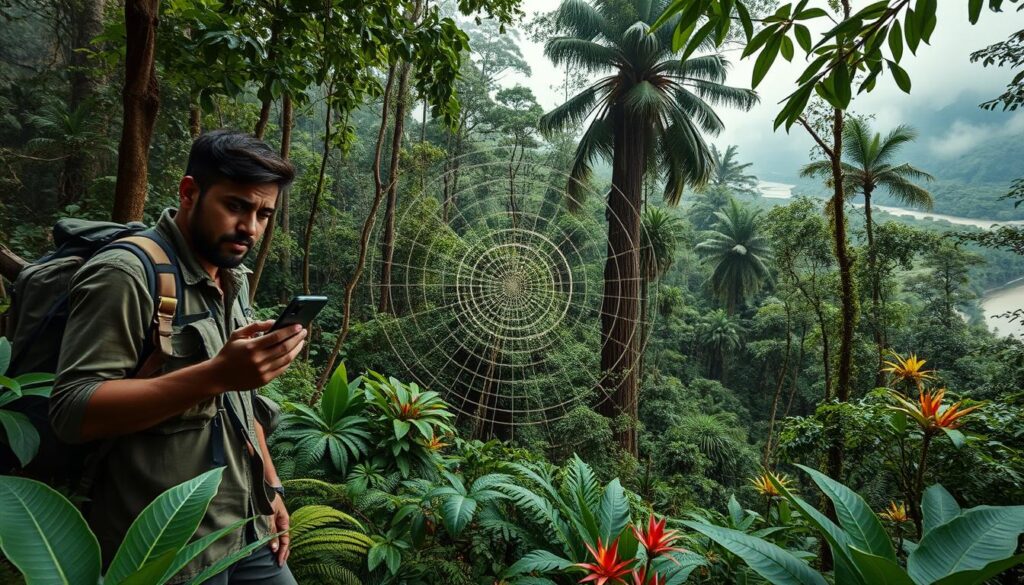
The Amazon is known for its digital isolation. Before you go, it’s key to prepare for Amazon connectivity issues. The jungle’s lack of internet is a chance to dive deep into nature.
Managing Expectations for Internet Access
Remote lodges in the Bolivian rainforest rarely have Wi-Fi or cell service. Let your family and colleagues know you’ll be unreachable. Setting these expectations early helps everyone and lets you enjoy your trip.
If you need to stay in touch, check your lodge’s internet options. Some lodges might have slow satellite internet for emergencies. But, assume you won’t have Amazon connectivity during your stay.
Emergency Communication Devices and Satellite Phones
For deep jungle trips, a dedicated communication device is a must. Satellite messengers like Garmin inReach or Zoleo let you send texts and GPS info. They’re a safety net when you’re far from town.
Satellite phones are for groups needing to talk. They’re pricey but ensure a direct line to help. Make sure your device is charged and works before heading into the jungle.
| Communication Method | Reliability | Best Use Case |
|---|---|---|
| Standard Cellular | Very Low | Only near major towns |
| Satellite Messenger | High | Texting and location tracking |
| Satellite Phone | Very High | Voice calls and emergencies |
Cultural Etiquette and Local Community Interaction
Knowing local customs is key to a respectful visit to Bolivia. When exploring remote areas, it’s important to follow cultural etiquette Bolivia. This ensures your visit is positive and respectful. Showing genuine interest in local traditions helps build a strong connection with the community.
Respecting Indigenous Traditions
Indigenous communities in the Amazon have deep knowledge of the rainforest. Always ask for permission before taking photos of people, their homes, or ceremonies. This shows you respect their privacy and dignity.
Learning a few local phrases can help bridge cultural gaps. Showing interest in traditional crafts or daily life is welcome. Just remember, these communities are always changing.
Sustainable Tourism Practices
Practicing ethical tourism Bolivia helps the local economy. Buying handmade goods from artisans or hiring local guides supports families. This helps keep traditional ways of life alive and avoids harmful industries.
It’s also important to think about your environmental impact. Reduce waste and respect wildlife habitats. This is essential for responsible travel. Here’s a table with key behaviors to remember.
| Action | Recommended Approach | Impact |
|---|---|---|
| Photography | Ask permission first | Builds trust and respect |
| Purchasing | Buy local crafts | Supports community income |
| Interaction | Listen and learn | Fosters cultural exchange |
| Environment | Leave no trace | Protects natural resources |
Transportation Within the Rainforest
Getting around the jungle safely and enjoying your trip are key. When you plan your Amazon rainforest adventure, knowing how to travel is as important as what you pack. Whether you’re traveling to Rurrenabaque or exploring the canopy, being ready for surprises is essential.
River Travel Safety Protocols
Rivers are the main paths in the Amazon, but safety is a must. Make sure your boat driver is licensed and knows the local waters. River travel safety starts with wearing a life jacket, no matter how good a swimmer you are.
“The river is a living entity; it demands respect, constant vigilance, and a deep understanding of its shifting moods.”
Be aware of the weather, as storms can change the river quickly. Keep your gadgets dry and stay balanced in the boat. These steps help you enjoy the river views without worry.
Navigating Remote Jungle Trails
Exploring the jungle away from rivers needs special skills and local knowledge. It’s vital to have a certified guide who knows the area. Professional guidance is more than helpful; it’s a safety must.
- Stay on marked paths to protect nature and avoid getting lost.
- Walk at a steady pace and tell your guide if you’re feeling tired or uncomfortable.
- Keep a safe distance from animals, as they can be territorial or hard to see.
Traveling in Rurrenabaque means long walks in the heat, so drinking water and wearing the right shoes are a must. By following the rules and listening to your guide, your trip will be great. Focus on enjoying the nature around you by staying safe and following the trails.
Financial Planning and Currency Tips
Creating a solid financial plan is key for a worry-free trip to Bolivia’s remote areas. The usual rules of city commerce don’t apply here. A detailed Bolivia travel budget is your main tool for staying safe and calm on your journey.
Cash Management in Remote Areas
When you leave cities like La Paz or Santa Cruz, banking options disappear. You’ll need plenty of local currency, the Boliviano, for all your expenses. Using credit cards or digital payments in the jungle can leave you without money.
It’s smart to get cash before heading to your starting town. Keep it safe in a waterproof money belt to protect against the rainforest’s humidity. Also, have some small bills ready, as vendors in remote places often can’t give change for big bills.
Budgeting for Unexpected Expenses
Even the best-planned trips can face surprises. Weather changes or small medical needs can pop up. A good Bolivia travel budget should have a 20% extra for emergencies.
Here’s a simple way to plan your finances:
| Expense Category | Budget Level (Low) | Budget Level (High) |
|---|---|---|
| Daily Food & Water | $15 USD | $40 USD |
| Local Transport | $10 USD | $30 USD |
| Emergency Fund | $200 USD | $500 USD |
| Miscellaneous Fees | $5 USD | $15 USD |
By planning for these costs, your Bolivia travel budget can handle the challenges of remote travel. This way, you can enjoy the Amazon’s beauty without financial stress.
Conclusion
Planning a trip into the heart of the rainforest needs careful planning and a focus on safety. This Amazon travel guide is your guide to exploring Bolivia’s natural wonders with confidence.
Exploring responsibly protects both you and the rainforest’s delicate ecosystems. By choosing certified operators and respecting local traditions, you help preserve these vital areas. Every choice you make affects the quality and safety of your trip.
Use the tips from this guide to prepare well for your journey. Good preparation turns a tough trip into a rewarding adventure. May your time in the wilderness be enlightening and safe as you explore the Bolivian Amazon’s beauty.