
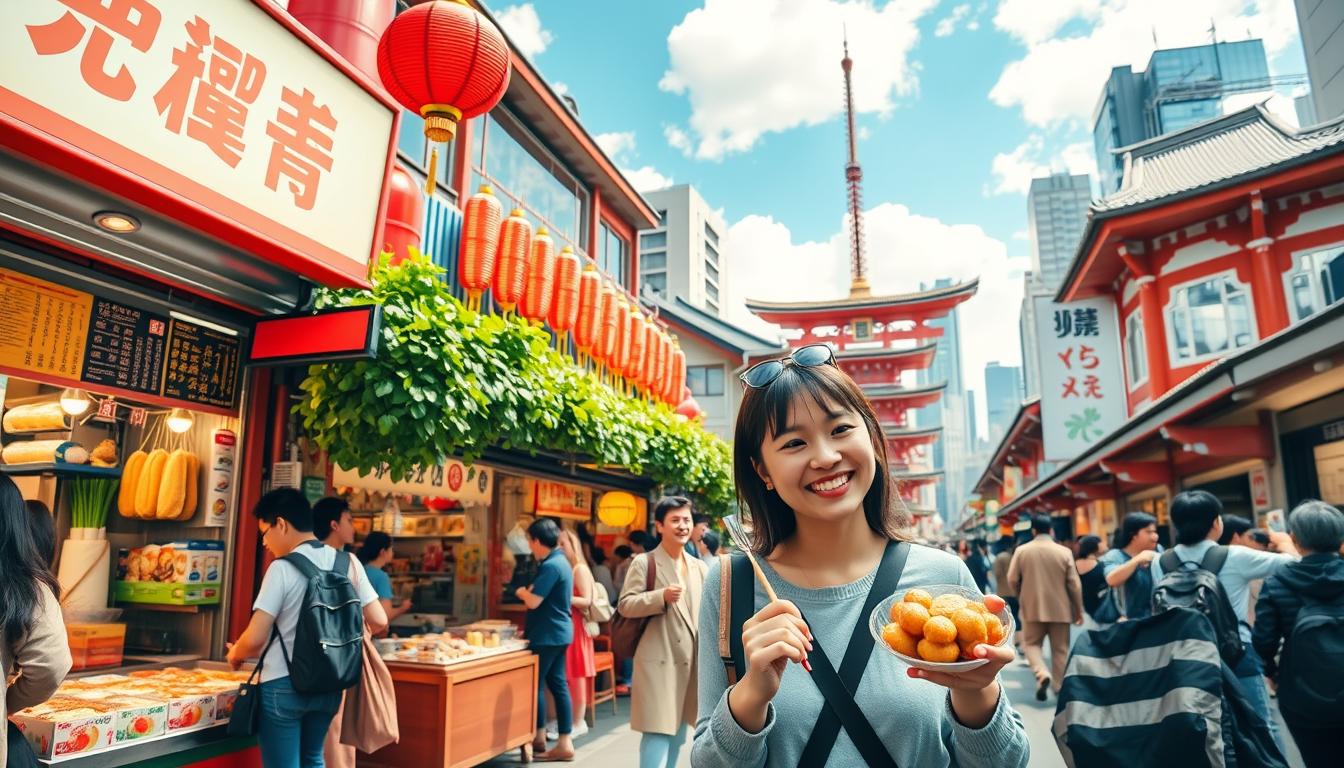
Exploring Japan might seem like a dream far away. You might picture walking through ancient temples or neon streets. But the thought of high costs can stop you.
Planning your trip doesn’t have to be stressful. With the right steps, you can have an affordable Japan trip. This Japan travel guide gives you the tools to manage your money and enjoy the culture. Smart research lets you have amazing experiences without spending too much.
Feeling secure on your trip is key. Getting reliable Japan travel insurance is a must. It lets you explore with confidence. This budget travel japan plan mixes saving money with having professional help. So, you can focus on making memories, not worrying about unexpected things.
Key Takeaways
- Strategic planning makes an affordable visit possible for everyone.
- Researching local transit and dining options significantly lowers daily expenses.
- Comprehensive insurance coverage provides essential security against unforeseen circumstances.
- Balancing costs allows for a more relaxed and enjoyable experience.
- Professional guidance helps you navigate the country with complete confidence.
Strategic Planning for Budget Travel Japan
Learning to travel on a budget in Japan starts before you fly. A good plan is like a map, guiding you to save money while seeing the best sights. Planning ahead helps avoid unexpected costs.
Choosing the Right Time to Visit
When it comes to money, timing is key. Prices for flights and hotels go up during busy times like cherry blossom season or Golden Week. Traveling in the shoulder seasons, like late autumn or early spring, can save you a lot of money.
Skipping major holidays is a top tip for saving in Japan. Off-peak travel means lower prices and fewer crowds. This way, your money goes further.
Setting a Realistic Daily Budget
Setting a daily spending limit is key for budget travel in Japan. Include costs for food, transport, and entry fees. A mix of cheap street food and occasional meals helps keep costs down.
Most visitors get a 90-day visa for free, making entry easy. Having some extra money for surprises is wise. This guide suggests tracking your spending to stay in control.
Booking Flights and Timing Your Arrival
Finding cheap flights takes time and effort. Use comparison tools well in advance. Booking mid-week flights can save you money.
Arriving in cities like Osaka or Fukuoka can be cheaper than Tokyo. Having a plan for your first hours in Japan saves on taxi costs. These tips help your trip start on a solid financial basis.
Mastering Transportation on a Budget
Traveling Japan on a budget means planning smart and knowing the local ways. The key is using Japan transportation wisely. This lets you see different places without spending too much. With the right passes and tools, moving around Japan becomes easy and affordable.
Evaluating the Japan Rail Pass vs. Regional Passes
The Japan rail pass is great for long trips. But, it might not be the best deal for short stays. Regional passes are often cheaper for trips within one area.
| Pass Type | Best For | Cost Efficiency |
|---|---|---|
| National JR Pass | Cross-country travel | High for long trips |
| Regional JR Pass | Specific prefectures | High for localized tours |
| Single Tickets | Short, infrequent trips | Best for minimal travel |
“The journey of a thousand miles begins with a single step, but in Japan, it begins with the right transit pass.”
Utilizing Local Bus Networks and Night Buses
Night buses are a top Japan travel tip. They let you travel between cities without the cost of a hotel. Local buses also reach places trains don’t, giving you a real taste of rural Japan.
Navigating Urban Transit with IC Cards like Suica and Pasmo
IC cards like Suica or Pasmo make city travel easy. You don’t need to buy tickets for each ride. Just tap your card, and the fare is taken care of, making travel smooth.
Tips for avoiding expensive taxi fares
Taxis in Japan are pricey and should be avoided. Stick to public transit to save money. Use free tools like Google Maps to find the best routes before you go.
Affordable Accommodation Strategies
Japan’s lodging scene offers both comfort and great value. Finding the right Japan accommodation is key to saving money. By knowing the different lodging options, you can save money in Japan without losing quality.
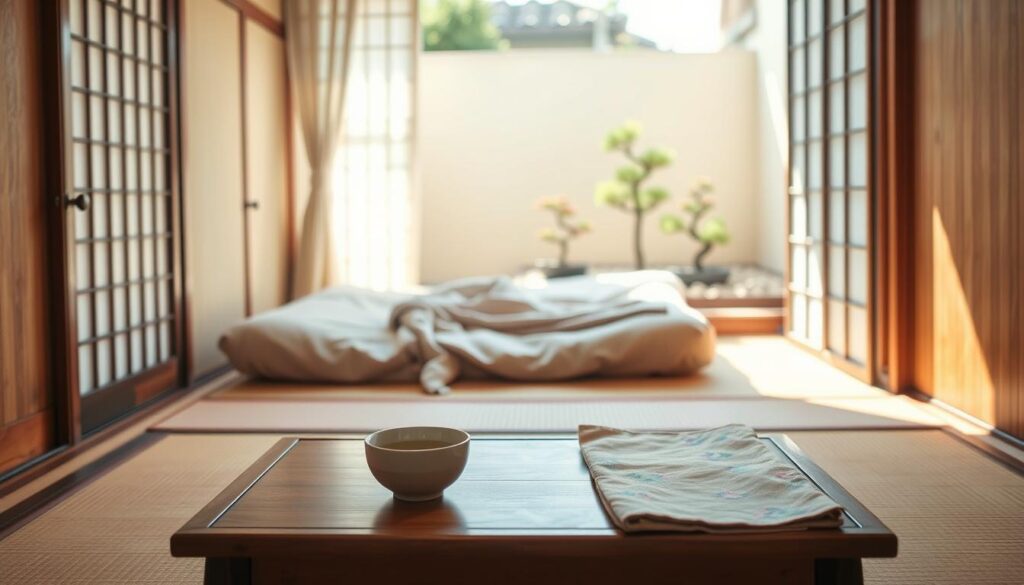
The Benefits of Business Hotels
Business hotels are great for those watching their budget. They are clean and efficient, located near train stations. Even though rooms are small, they have everything you need for a good night’s sleep.
Experiencing Capsule Hotels for Short Stays
Capsule hotels offer a unique stay for short trips. They are space-efficient and cost between ¥2,000 and ¥5,000 per night. Solo travelers can save money in Japan and enjoy a modern stay.
Hostels and Guesthouses for Social Travelers
Hostels and guesthouses are perfect for meeting new people. They have shared kitchens and lounges, creating a community vibe. Staying here is a cost-effective way to meet locals and get travel tips.
Exploring Temple Stays and Minshuku
For a traditional stay, try a temple or minshuku, a family-run B&B. These offer a glimpse into local culture and hospitality. Learn more about these options and others at this detailed guide to Japan accommodation.
- Location matters: Staying further from major hubs often lowers nightly rates.
- Book in advance: Early reservations frequently unlock lower prices.
- Check amenities: Many budget hotels include free breakfast or laundry facilities.
Dining Well Without Breaking the Bank
Dining out in Japan doesn’t have to be pricey. Smart travelers find great deals by exploring local ways. You can enjoy top-notch food without spending a lot. Whether it’s a snack or a full meal, Japan has many options to save money.
Leveraging Convenience Store Meals
Convenience stores, or konbini, are key in Japan. Places like Family Mart, Lawson, and 7-Eleven offer tasty, affordable food. You can find rice balls, sandwiches, and hot bento boxes that are both healthy and cheap.
Finding Value at Conveyor Belt Sushi Chains
Conveyor belt sushi, or kaiten-zushi, is a great way to enjoy seafood without the high cost. Chains like Kura Sushi and Sushiro have plates starting at low prices. You can also get creative with leftovers to stretch your budget.
Lunch Specials at High-End Restaurants
Upscale restaurants in Japan offer cheaper lunch sets than dinner. Eating lunch can save you a lot of money. It’s a smart way to enjoy fine dining without breaking the bank.
Utilizing Supermarket Discounts in the Evening
Supermarkets are a treasure trove for budget travelers, with big discounts on food after 7:00 PM. These deals on bento boxes, sushi, and fried items are a great way to save. It’s a smart way to enjoy a delicious dinner without spending too much.
Free and Low-Cost Sightseeing Experiences
Travelers on a budget will find many iconic sites in Japan are free to visit. By choosing these spots, you can enjoy a rich Japan sightseeing experience without spending much. Planning your trip around these places lets you dive deep into the culture without breaking the bank.
Exploring Public Parks and Shrines
Japan has thousands of beautiful shrines and parks that are free to visit. These places offer a peaceful escape from the city. When visiting shrines, remember to follow local customs, such as using the purification fountains before entering the main hall.
Public parks like Ueno Park in Tokyo or Maruyama Park in Kyoto are stunning. They’re great for a relaxing walk or a quiet picnic. Respecting these public spaces helps keep them open and free for everyone.
Taking Advantage of Free Observation Decks
You don’t need to pay for expensive tower tickets to see the skyline. Many government buildings have free observation decks with amazing views. These spots are often less crowded than commercial towers, perfect for capturing the perfect photo.
Adding these views to your Japan sightseeing plan is a smart money-saving move. Always check the operating hours in advance, as some decks close during holidays or private events. Visiting just before sunset lets you see the city change without spending a yen.
Walking Tours and Self-Guided Cultural Paths
Walking is the best way to discover Japanese neighborhoods’ hidden charms. Many cities have self-guided cultural paths through historic districts and artisan streets. These paths highlight local history and architecture at your own pace.
You can find maps for these paths online or at local tourist info centers. Taking these walks helps you connect with the local culture. It’s a rewarding way to explore Japan while keeping your budget tight.
Visiting Museums with Free Entry Days
While many museums charge an admission fee, some offer free entry on specific days or during special events. Researching these opportunities can save you a lot on cultural outings. Some smaller museums are even free every day of the year.
Checking museum websites before your trip is a highly recommended strategy for any traveler. By planning your visit during free entry times, you can enjoy top exhibits without spending much. This way, your Japan sightseeing is both educational and budget-friendly.
Essential Money-Saving Tools and Apps
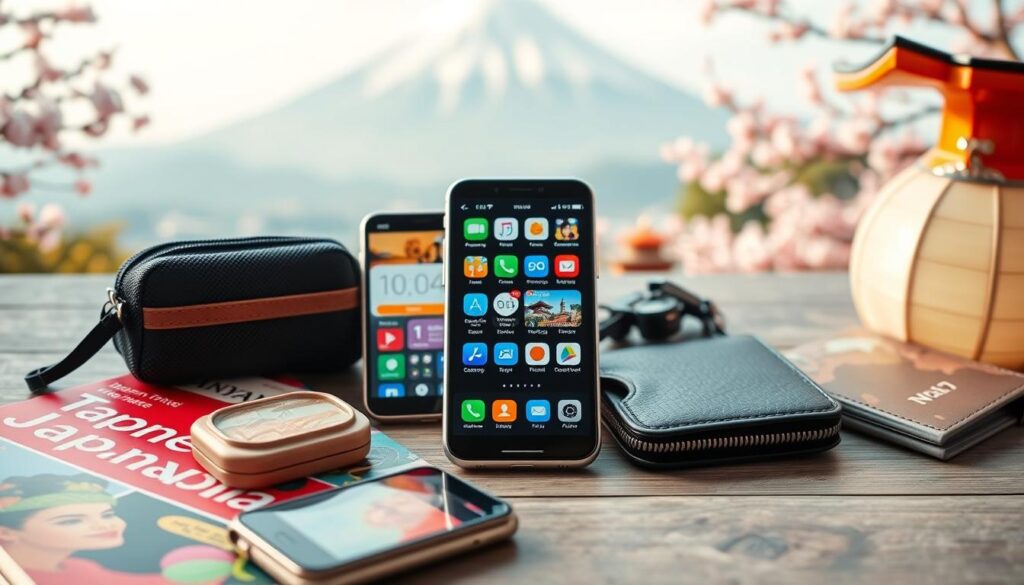
Smart travelers know the secret to saving money is in their hands. The right Japan travel apps help you navigate and track your spending. Make sure to get a local SIM card or pocket Wi-Fi at the airport for constant access.
Using Google Maps for Route Optimization
Google Maps is key for saving on transport. It shows real-time train schedules and costs. Use the “less expensive” filter to find cheaper routes.
This tool saves you from high taxi costs in cities. Plan your route ahead to keep your budget in check.
Tracking Expenses with Travel Budget Apps
Tracking your spending is essential. Finance apps let you log every purchase. They also convert currencies, making it easier to track your spending.
Reviewing your daily totals helps you spot where you’re spending too much. Adjust your plans to stay within budget.
Finding Deals via Klook and Voyagin
Klook and Voyagin offer discounts on attractions and experiences. They provide exclusive rates not available at the gate. Booking through these apps can save you a lot.
These apps have deals on passes and tours. Using them is a proactive way to enjoy Japan without overspending.
Navigating Cultural Etiquette to Avoid Hidden Costs
Knowing the local customs in Japan can save you from unexpected costs. By learning the basics of Japan cultural etiquette, you can move around the country easily. This way, you avoid social issues and financial surprises. Before you start your trip, check out essential travel tips to get ready for your journey.
Understanding Tipping Culture in Japan
In Japan, tipping is not common. In fact, leaving extra money can cause confusion. You don’t need to worry about tipping for service, as good service is expected.
Avoiding Unnecessary Fees at Restaurants
Be aware of the otoshi, or table charge, in traditional izakaya pubs. This fee covers a mandatory appetizer. Always check the menu or ask about a cover charge before sitting down. This way, you can enjoy dining without breaking the bank.
Respecting Public Spaces to Prevent Fines
Keeping public spaces clean is key in Japan. Smoking where you shouldn’t, littering, or making noise can result in fines. Always look for smoking zones and carry trash until you find a bin. This ensures a good experience for everyone.
| Situation | Common Mistake | Budget-Friendly Tip |
|---|---|---|
| Dining Out | Leaving a tip | Pay the exact bill amount |
| Izakaya Visit | Ignoring table fees | Ask about “otoshi” beforehand |
| Public Transit | Talking loudly | Keep noise to a minimum |
| Street Areas | Smoking anywhere | Use designated smoking zones |
Managing Finances and Currency Exchange
Good financial planning keeps your focus on Japan’s beauty, not your money. Learning about Japan currency exchange helps you save money. This way, you can enjoy your trip without worrying about money.
Where to Find the Best Exchange Rates
Many travelers exchange money at airports. But, these places often give bad rates.
For better deals, go to local banks or currency exchange offices in big cities. Planning ahead by checking rates online helps find the best deals.
“A budget is telling your money where to go instead of wondering where it went.”
Using ATMs at 7-Eleven and Post Offices
Getting cash is easy if you know where to go. 7-Eleven convenience stores are great for international travelers.
They have reliable ATMs open 24/7. They also accept many foreign cards. Japan Post Bank ATMs in post offices are another good choice for international transactions.
Credit Card Usage and Foreign Transaction Fees
Japan is getting more credit card friendly, but it’s mostly in cities. Using a card is safe, but watch out for fees.
- Check if your bank charges foreign transaction fees before you leave.
- Always choose to pay in yen if you can.
- Keep some cash for small shops or rural areas where cards might not work.
Knowing about Japan currency exchange helps manage your money well. This way, you can travel without worrying about money.
Conclusion
Planning a trip to Japan needs careful money management and knowing local customs. This guide helps travelers have a great time without spending too much. You can find an affordable Japan trip and enjoy every moment.
Traveling in groups can save money, as splitting costs in places like Tokyo or Kyoto helps. Using data plans and local transport cards makes moving around cities easy. These tips make your trip smooth and fun.
Getting Japan travel insurance is also key for peace of mind. It protects your budget from unexpected medical costs or travel issues. Get your insurance early so you can fully enjoy Japan’s culture and history.
With the right planning and respect for local customs, every trip to Japan can be stress-free. Your dream vacation is possible with smart budgeting and the right safety measures.