
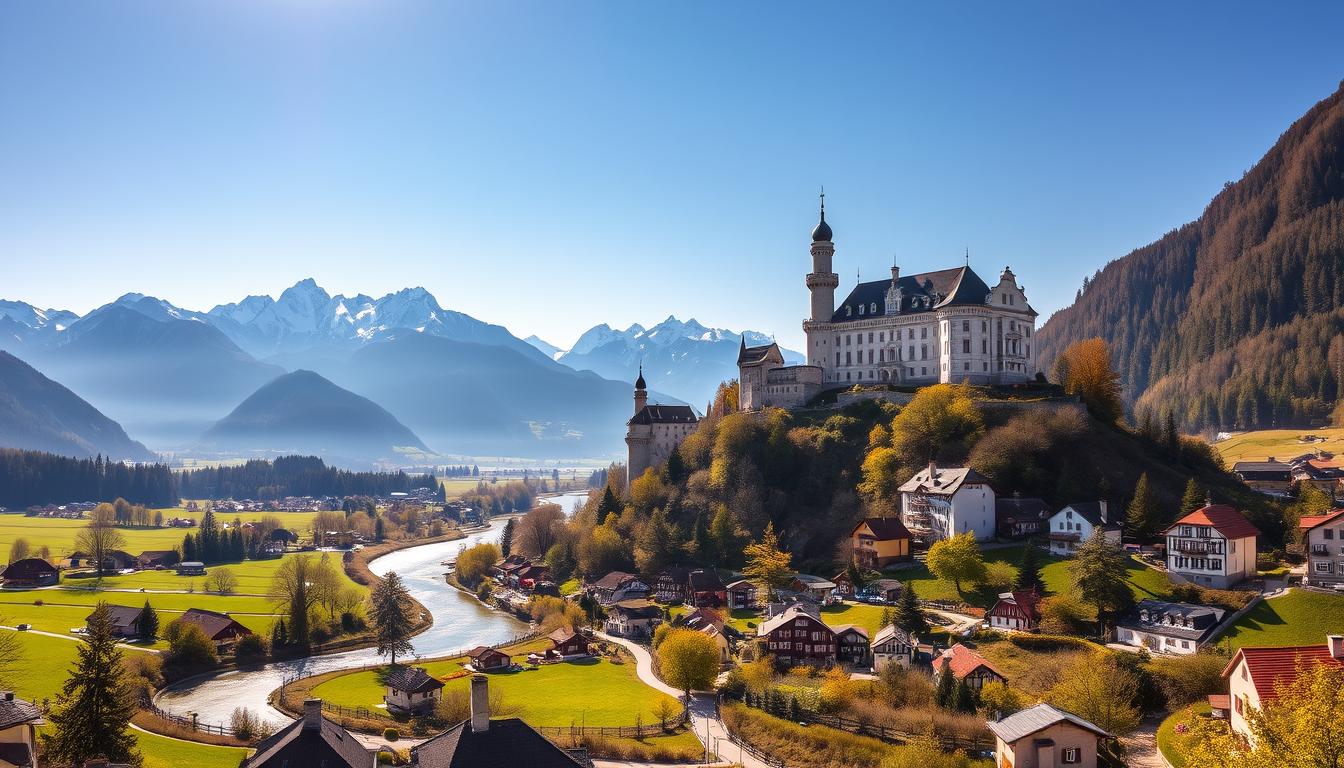
Did you know nearly 80% of international travelers visiting Germany choose Bavaria first? This region is the heart of German tradition. It offers royal architecture, alpine landscapes, and lively cities.
Planning your trip to Bavaria needs careful thought. The area is huge, from Munich’s historic streets to Neuschwanstein Castle’s fairytale spires.
Travelers love a mix of city adventures and quiet nature moments in Bavaria. You might explore medieval towns in the morning and hike by alpine lakes in the afternoon.
By planning well, you’ll have a memorable trip. Discovering Bavaria’s best spots is key to a worry-free European vacation.
Key Takeaways
- Bavaria offers a unique mix of urban culture, royal history, and natural beauty.
- Prioritizing your itinerary is essential due to the large size of the region.
- Must-visit highlights include Munich, the Romantic Road, and iconic royal castles.
- Seasonal experiences offer unique opportunities for travelers all year.
- A balanced approach allows for both active sightseeing and relaxing in scenic landscapes.
Planning the Best Things to Do in Bavaria
Planning a trip to Bavaria needs careful planning and local tips. Knowing the region well makes your trip fun and smooth. Whether it’s your first time or you’ve been before, a good plan helps you see more of things to do in Bavaria.
What Makes Bavaria Worth Visiting
Bavaria has medieval history, beautiful Alps, and modern culture. People often ask bavaria what to see. The answer is the region’s variety. You can enjoy Munich’s beer halls or the Alps’ quiet beauty.
When to Visit Bavaria for Cities, Mountains, and Festivals
The best time to visit Bavaria depends on what you like. Summer is great for hiking and eating outside. Winter is perfect for skiing and Christmas markets. Spring and autumn are quieter, with nice weather for sightseeing.
How Many Days to Spend in Bavaria
A Bavaria travel guide says seven days is best. This time lets you see cities and countryside. If you have less time, focus on one area to save travel time.
Getting Around by Train, Rental Car, and Regional Transit
Bavaria has a great public transport system. Trains are best for city-to-city travel, with scenic views. Renting a car is better for remote areas or mountain trips.
When a Bavaria Regional Ticket Makes Sense
The Bavaria Ticket (Bayern-Ticket) is great for day trips. It lets you travel on local trains all day for one price. It’s perfect for groups or those watching their budget.
How to Balance Famous Sights With Less Crowded Stops
Visit famous spots early or late to avoid crowds. Mix these with visits to smaller towns for a real experience. This way, you see the best without feeling too crowded.
Munich: Bavaria’s Cultural and Culinary Heart
Exploring Munich lets you dive into the rich culture and food of this area. It’s the best place to start for experiencing Munich things to do. You’ll get to see the true spirit of southern Germany.
Explore Marienplatz and the New Town Hall
Marienplatz is the city’s heart, a historic square for centuries. The Glockenspiel performance at the New Town Hall is a must-see. It brings the town hall to life with dancing figures.
Walking here, you’ll see the city’s Gothic architecture. It’s key for understanding Bavaria’s history.
Visit the Munich Residenz and Nymphenburg Palace
The Munich Residenz shows the Wittelsbach dynasty’s royal life. It’s filled with stunning treasury collections and ornate rooms. These Munich attractions are a must for history buffs.
Nymphenburg Palace is a peaceful escape with its gardens and baroque design. It’s great for those who love art and architecture.
See Masterpieces at the Alte Pinakothek
The Alte Pinakothek is a must for art lovers. It has a huge collection of Old Master paintings. You’ll see works by Rubens, Dürer, and Rembrandt.
The museum is set up to make viewing easy and fun. It’s a quiet spot away from the city’s hustle.
Relax in the English Garden
The English Garden is a huge park for a break. It’s one of the world’s largest city parks. You can walk, cycle, or just relax on the grass.
Watching the Eisbach Surfers
The Eisbach river has a standing wave for surfers. Locals and visitors watch them all year. It’s a unique sight.
Enjoying a Beer Garden Without Overplanning
Enjoying local culture is easy. Just find a beer garden, order a local brew, and enjoy the convivial atmosphere. It’s what makes Munich special.
Try Bavarian Specialties at Viktualienmarkt
Viktualienmarkt is a lively market. It’s the heart of Munich’s food scene. You’ll find fresh pretzels, cheeses, and more.
Walking through, you can try local foods. It’s a great place for a quick, authentic lunch.
Use Munich as a Base for Day Trips
Munich is a great base for exploring. It’s easy to get to mountains, lakes, and historic towns by rail. Use Munich as your starting point.
Planning your things to see in bavaria is easier with a good base. Here’s a comparison to help plan your time:
| Attraction Type | Best For | Estimated Time |
|---|---|---|
| Royal Palaces | History Enthuasiasts | 3-4 Hours |
| Art Museums | Culture Seekers | 2-3 Hours |
| Beer Gardens | Relaxation | 1-2 Hours |
| Viktualienmarkt | Food Lovers | 1 Hour |
Neuschwanstein and Bavaria’s Most Memorable Castles
The castles of Bavaria are a mix of fairy-tale turrets and medieval fortresses. They are key attractions for visitors. To truly appreciate Bavaria, you need to see beyond the pictures and learn about their history.
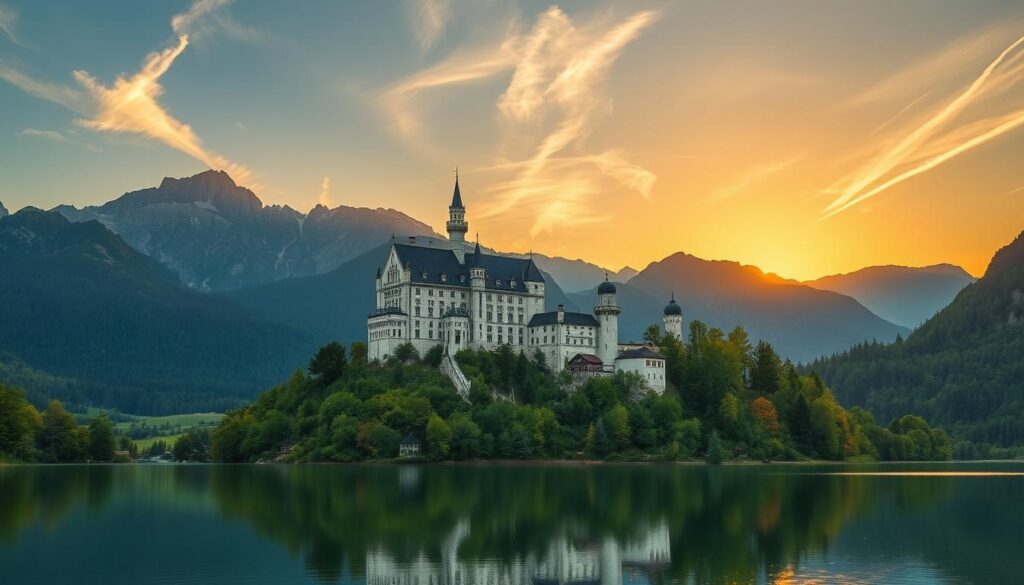
Visit Neuschwanstein Castle Near Hohenschwangau
Neuschwanstein Castle is the most famous in Bavaria, attracting millions each year. It was built by King Ludwig II. It shows his love for romance and architecture, set against a stunning mountain backdrop.
Booking Timed Tickets and Reaching the Castle
Getting into Neuschwanstein requires planning ahead. Tickets often sell out early. Book your timed entry slot online to see the castle’s interior. You can get there by train to Füssen and then a bus to Hohenschwangau village.
Choosing the Best Viewpoints Around Marienbrücke
The Marienbrücke offers the best view of the castle against the Alps. It gets very crowded, but the view is worth it. For a quieter spot, try hiking the trails around the castle for different views.
Tour Hohenschwangau Castle
Hohenschwangau Castle is King Ludwig II’s childhood home, located below Neuschwanstein. It gives a glimpse into the royal family’s life. Tours here are great for understanding the King’s architectural inspirations.
Discover the Medieval Walls of Burghausen Castle
Burghausen Castle is perfect for those who love medieval history. It’s the longest castle complex in the world. Walking its walls offers a unique contrast to the royal castles.
See the Rococo Rooms at Herrenchiemsee Palace
Herrenchiemsee Palace is on an island in Lake Chiemsee. It was built by Ludwig II as a Versailles tribute. The palace has opulent Rococo interiors and beautiful gardens. Getting there by ferry adds to the adventure.
Compare Bavaria’s Major Castles by Location and Experience
| Castle Name | Primary Style | Best Feature |
|---|---|---|
| Neuschwanstein | Romantic/Gothic | Iconic mountain views |
| Hohenschwangau | Biedermeier | Royal family history |
| Burghausen | Medieval | World’s longest complex |
| Herrenchiemsee | Rococo/Baroque | Island setting and luxury |
Alpine Lakes and Mountain Scenery in Southern Bavaria
Exploring the Bavarian Alps opens up a world of clear lakes and high mountains. This area is a top spot for anyone looking to relax or seek adventure. The southern landscapes are the most iconic in Bavaria.
Take in the Views Around Lake Eibsee
Eibsee sits at the Zugspitze’s foot, known as the “Bavarian Caribbean” for its turquoise waters. A trail goes around the lake, perfect for walkers of all levels. The mountains’ reflection in the water makes for great photos.
Ride the Zugspitze Cable Car or Cogwheel Train
Reaching Germany’s highest peak is a top thing to do in bavaria. You can take a modern cable car or a traditional cogwheel train. At the top, you get views of four countries.
Walk the Shores of Lake Königssee
Königssee in the Berchtesgaden National Park is famous for its green water and steep cliffs. The best way to see it is by electric boat, keeping the area quiet.
Taking the Boat to St. Bartholomä
The boat stops at St. Bartholomä peninsula, with its red-domed church. It’s a peaceful place for a meal, surrounded by cliffs.
Adding the Obersee Walk
For more activity, take the boat to Salet and walk to Obersee. This lake offers a view of Germany’s highest waterfall, Röthbachfall.
Visit Lake Chiemsee and the Fraueninsel
Lake Chiemsee is called the “Bavarian Sea.” A ferry to Fraueninsel lets you see a historic convent and shops.
Explore the Tegernsee and Schliersee Region
These lakes are loved by locals for weekend trips. They offer walks and hikes, along with traditional beer gardens and mountain huts.
Plan for Mountain Weather and Trail Conditions
Mountain weather can change fast, even in summer. Always check forecasts and trail reports before hiking. Wear sturdy shoes and layers for comfort and safety in the Bavarian Alps.
| Destination | Primary Activity | Difficulty Level |
|---|---|---|
| Eibsee | Lakeside Walking | Easy |
| Zugspitze | Mountain Sightseeing | Moderate |
| Königssee | Boat Tours | Easy |
| Chiemsee | Island Exploration | Easy |
Charming Bavarian Towns Beyond Munich
Many travelers find the most memorable things to see in Bavaria in its lesser-known towns. These places offer a slower, more atmospheric experience. They capture the heart of the region in a way big cities can’t.
Wander Through Rothenburg ob der Tauber
Rothenburg ob der Tauber is a preserved medieval town. Visitors can walk along the intact city walls that once protected the residents.
The town is famous for its half-timbered houses and cobblestone streets. It feels like time has stood completely stopped here.
Explore the Historic Center of Bamberg
Bamberg is a UNESCO World Heritage site. It shows a unique mix of religious and urban history. The town is built across seven hills, like Rome, and has a stunning cathedral.
Walking through the historic center reveals centuries of architectural evolution. It’s perfect for those who love well-preserved heritage and local brewing traditions.
See Regensburg’s Roman and Medieval Landmarks
Regensburg is a gateway to the past with its Roman roots and medieval skyline. The Stone Bridge, from the 12th century, is a highlight for any visitor.
The city’s layout shows its importance as a former trading hub on the Danube River. Exploring its narrow alleys offers a deep dive into the rich history of the region.
Experience the Alpine Setting of Garmisch-Partenkirchen
Garmisch-Partenkirchen offers mountain air with the Bavarian Alps as a backdrop. It’s perfect for travelers who want to combine outdoor adventure with a cozy village atmosphere.
The town is a base for exploring Germany’s highest peaks. It offers a unique contrast to the flatter, northern parts of the state.
Visit Mittenwald for Painted Facades and Mountain Walks
Mittenwald is one of the most beautiful Bavarian villages with its traditional Lüftlmalerei, or painted house facades. These murals tell stories of local life and religious history.
The village is surrounded by stunning mountain trails for all skill levels. It’s a peaceful retreat for nature lovers and photographers.
Discover Dinkelsbühl and Nördlingen on the Romantic Road
Dinkelsbühl and Nördlingen are key stops on the famous Romantic Road. These Romantic Road towns offer a glimpse into the past with their colorful market squares and defensive towers.
Nördlingen is unique because it’s built inside a massive meteorite crater. Both towns offer a quiet, authentic experience away from big tourist crowds.
Choosing Which Small Towns Fit a Short Trip
Choosing the right destination depends on your time and transportation. Use this guide to narrow down your choices for a balanced itinerary.
| Town Type | Best For | Transport |
|---|---|---|
| Medieval Walls | History Lovers | Train/Car |
| Alpine Villages | Hikers | Regional Train |
| Romantic Road | Scenic Drives | Rental Car |
If you have limited time, focus on one region to avoid spending your day in transit. Prioritizing your interests—whether it’s architecture, mountains, or history—will make your journey more rewarding.
Nuremberg, Würzburg, and Bavaria’s Historic Cities
If you’re looking for the best things to see in Bavaria, check out Nuremberg, Würzburg, and Augsburg. These cities are like living museums. They show how Bavaria changed from Roman times to the 20th century. Make sure to include them in your bavaria travel guide.
Walk Through Nuremberg’s Old Town
Nuremberg is a city of contrasts. It has medieval charm and modern history. Visitors find it deeply moving, with beautiful buildings and important history.
Nuremberg Castle and the City Walls
The Imperial Castle, or Kaiserburg, is a key Nuremberg attraction. Walking the city walls gives you a great view of the houses below. It shows the city’s strength and importance in the Holy Roman Empire.
Documentation Center and Nazi Party Rally Grounds
Visiting the Documentation Center is a serious experience. It’s a place to learn and remember the Nazi era’s horrors.
“Those who cannot remember the past are condemned to repeat it.” — George Santayana.
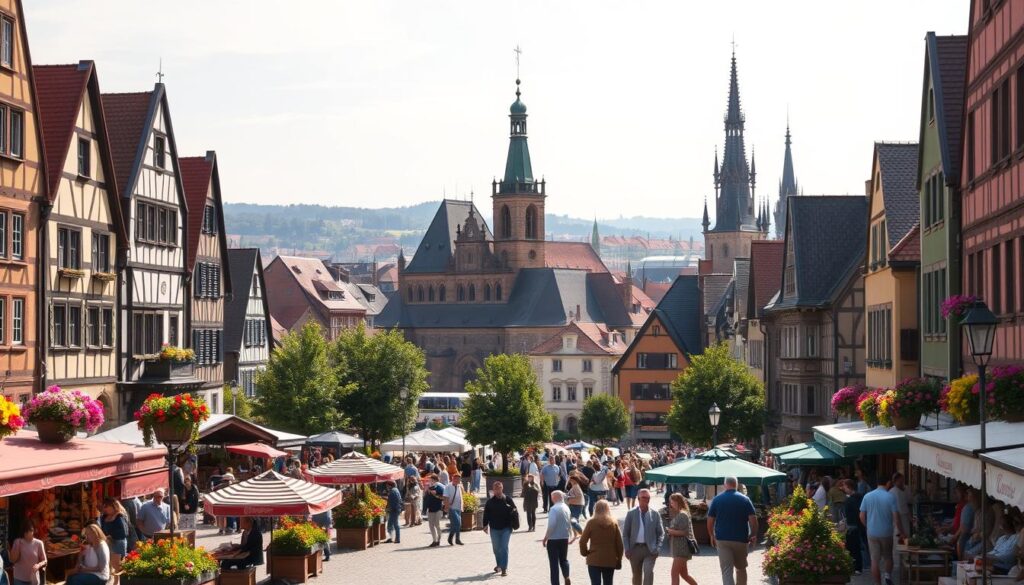
Visit Würzburg Residence and the Old Main Bridge
Würzburg is known for its Baroque art and riverside beauty. The Würzburg Residence is a UNESCO site with stunning frescoes and gardens. Crossing the Old Main Bridge gives you views of the Marienberg Fortress.
See Augsburg’s Fuggerei and Renaissance Heritage
Augsburg Germany is one of the oldest cities in the country. It shows the Renaissance era. The Fuggerei, the oldest social housing, is a must-see. It offers a peaceful contrast to the city’s busy center.
Understand Bavaria’s Mix of Roman, Medieval, and Modern History
Bavaria’s history is complex. Each city tells a different part of this story:
- Roman Roots: Seen in Augsburg’s ancient foundations.
- Medieval Power: Experienced in Nuremberg’s fortifications.
- Baroque Wealth: Shown in Würzburg’s architecture.
Choose Between Nuremberg, Würzburg, and Augsburg for a Day Trip
Choosing a destination depends on your interests and time. These things to do in Bavaria Germany offer something for everyone.
| City | Primary Focus | Travel Time from Munich |
|---|---|---|
| Nuremberg | Medieval History & Remembrance | 1 Hour (High-speed train) |
| Würzburg | Baroque Art & Wine Culture | 2.5 Hours |
| Augsburg | Renaissance & Social History | 45 Minutes |
Whether you’re into history or architecture, these cities offer a deep look at Bavaria. Each place invites you to slow down and see the layers of time in this amazing region.
Scenic Drives, Outdoor Adventures, and Bavarian Traditions
Bavaria’s true spirit is found off the beaten path. Urban centers have history, but the countryside offers a deeper connection to the land. Travelers will find Bavaria changes beautifully with each season.
Follow the Romantic Road Through Villages and Castles
The Romantic Road is a must-see for Bavaria’s beauty. It connects medieval towns, showing a glimpse of the past. You’ll see walled cities and timber-framed houses.
Key stops along the route include:
- Rothenburg ob der Tauber for its preserved medieval walls.
- Dinkelsbühl for its colorful, historic market square.
- Harburg Castle, one of the oldest and best-preserved fortress complexes in southern Germany.
Drive the German Alpine Road From Lindau to Berchtesgaden
The German Alpine Road offers stunning views. It stretches across the southern border, showing off jagged peaks and lush valleys.
The road is perfect for maximum flexibility. You can stop at mountain lakes and viewpoints at your own pace. Always check the weather before heading up, as it can change quickly.
Hike, Cycle, or Paddle in Bavaria’s Countryside
Bavaria is great for outdoor lovers. It has easy walks and challenging hikes. You can cycle through hills or paddle on clear lakes.
Easy Walks for Casual Sightseers
Many valleys have flat, well-marked paths. They’re perfect for a relaxing afternoon. These paths often lead to beer gardens or scenic spots without much effort.
Longer Hikes for Experienced Travelers
For a challenge, try the high-altitude trails. They require sturdy shoes and good fitness. Always carry a map and water, as mountain weather can be unpredictable.
Experience Oktoberfest and Seasonal Bavarian Festivals
Bavarian culture shines in its festivals. Oktoberfest in Munich is famous, but smaller towns have their own festivals. These events show local music, traditional clothes, and community spirit.
Visit a Traditional Christmas Market
Winter brings magical Christmas markets. Nuremberg and Regensburg have markets filled with scents and festive vibes. These markets are a cozy highlight of the holiday season.
Enjoy Bavarian Food, Beer Gardens, and Regional Specialties
Trying Bavarian food is essential. From pretzels and sausages to pastries, the food is comforting and tasty. Beer gardens are social hubs, perfect for enjoying a local brew.
| Specialty | Description | Best Paired With |
|---|---|---|
| Weisswurst | Traditional white sausage | Sweet mustard and pretzel |
| Schweinshaxe | Roasted pork knuckle | Potato dumplings and gravy |
| Obatzda | Spiced cheese spread | Fresh rye bread |
How to Build a Bavaria Itinerary That Works
Planning your trip to Bavaria can be easy, whether you have a few days or a week. A good Bavaria itinerary mixes famous sights with the beauty of the countryside. This way, you can see what interests you most without feeling rushed.
A Three-Day Bavaria Itinerary
Munich With a Neuschwanstein Day Trip
For a short trip, focus on Munich and a big landmark. Spend two days in Munich’s historic center, like the Viktualienmarkt and the Residenz. Then, visit Neuschwanstein Castle on your last day.
A Five-Day Bavaria Itinerary
Munich, Neuschwanstein, and the Alpine Lakes
With five days, explore more. After Munich, head to the Alps for two days by Lake Eibsee or Lake Königssee. This pace lets you enjoy the mountains and more things to do in Bavaria.
A One-Week Bavaria Itinerary
Combining Munich, Historic Towns, Castles, and the Alps
A week lets you see it all. Follow a detailed route that includes medieval towns like Rothenburg ob der Tauber. It’s great for experiencing everything things to do in Bavaria Germany offers.
Where to Stay for Different Travel Styles
Best Bases for First-Time Visitors
Choosing where to stay in Bavaria depends on what you like. Munich is perfect for city lovers and those using public transit. It’s easy to get to other places by train.
When to Sleep in Smaller Towns or Mountain Villages
For nature lovers, try Garmisch-Partenkirchen or Berchtesgaden. These places are great for waking up to mountains. Make sure to check your packing list for mountain weather.
| Base Location | Best For | Transport Access |
|---|---|---|
| Munich | Culture & Nightlife | Excellent (Train Hub) |
| Garmisch | Alpine Hiking | Good (Regional Rail) |
| Rothenburg | Medieval History | Moderate (Car Recommended) |
Practical Tips for Tickets, Reservations, Weather, and Crowds
Book castle tickets early, as they sell out fast. The Alps’ weather can change quickly, so stay flexible. Planning ahead helps you enjoy things to do in Bavaria Germany without big crowds.
Conclusion
Bavaria is full of amazing experiences, from royal history to beautiful mountains. Choosing the right activities makes your trip fun, not too much. Try to focus on a few highlights like Munich, Neuschwanstein, or Rothenburg ob der Tauber.
Exploring Bavaria is best when you mix city adventures with quiet nature walks. Pick one or two places to really dive into. This way, you can enjoy the local culture and traditions without feeling rushed.
Traveling well means being prepared and flexible. Book your tickets for famous spots early to save time. Also, think about the season you’re visiting, as the weather and festivals change things a lot. With good planning, your Bavaria trip will be unforgettable.