
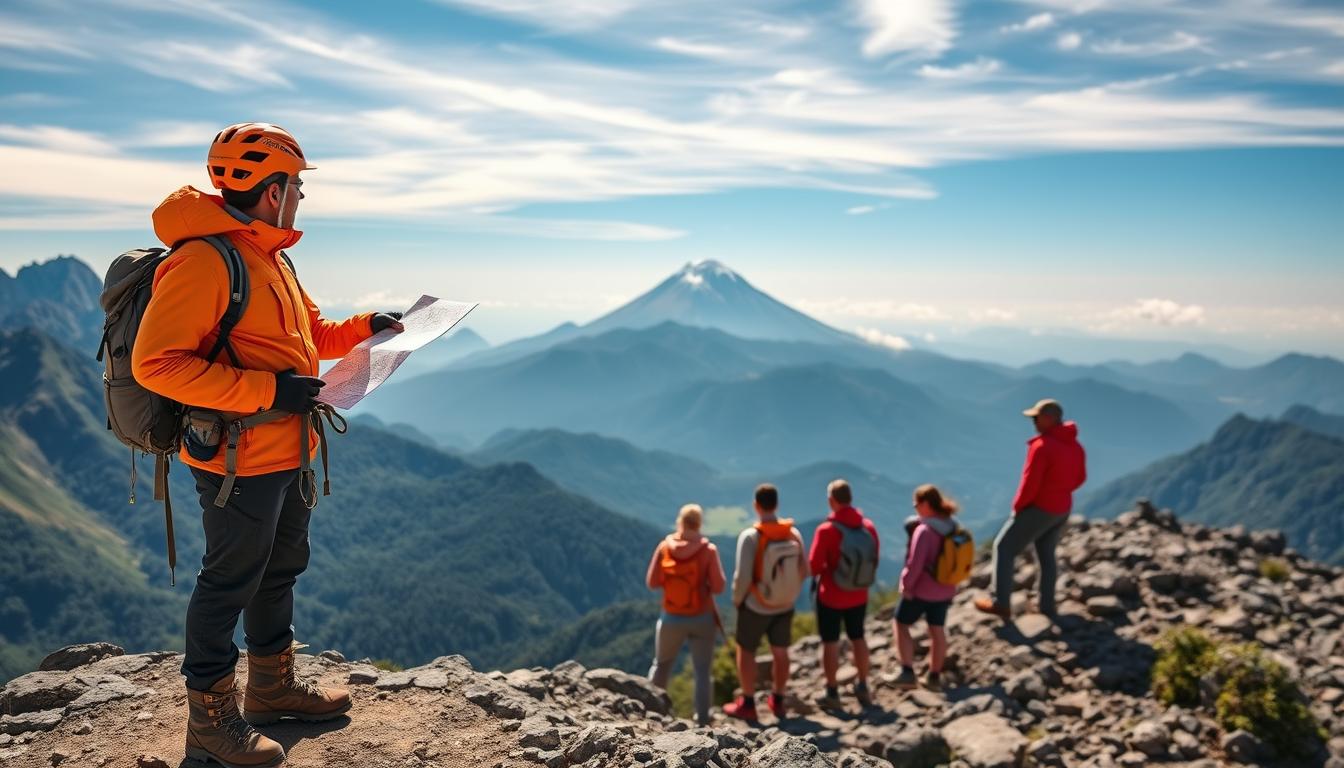
Did you know over 40,000 adventurers try to reach Mount Kinabalu’s summit every year? This peak, at 4,095 meters, is Sabah, Malaysia’s crown jewel. It’s just 90 kilometers from the nearest big city, making it a top trekking spot.
Reaching the summit is not just about being fit. It’s about strategic preparation. Before booking flights or getting permits, you must know the terrain’s challenges. This Mount Kinabalu climbing guide will help you plan a safe and unforgettable trip.
We’ll cover everything from picking the right path to training techniques. Whether you’re an experienced hiker or new to climbing, we aim to boost your confidence. Get set to conquer Mount Kinabalu and see one of Southeast Asia’s most stunning views.
Key Takeaways
- The summit reaches an impressive 4,095 meters, requiring proper acclimatization.
- Securing permits well in advance is mandatory due to daily visitor quotas.
- Physical training should focus on endurance and steep incline conditioning.
- Weather conditions can change rapidly, making high-quality gear essential.
- Safety protocols and professional guides are vital for a successful ascent.
Overview of Mount Kinabalu
This granite giant rises above the clouds, making it the crown jewel of borneo mount kinabalu. It’s the heart of Kinabalu Park, a UNESCO World Heritage Site. This place is home to a diverse ecosystem.
Mount Kinabalu is more than a climb. It’s a chance to explore a protected natural world.
Unique Features of the Mountain
The scale of Mount Kinabalu is truly impressive. It’s a massive granite massif, unlike volcanic peaks. It was pushed up through the Earth’s crust millions of years ago.
The summit has a jagged, moon-like landscape. The highest point, Low’s Peak, is 13,435 feet high. It was named after Sir Hugh Low, who reached the top in 1851.
- Geological Age: The granite rock is millions of years old.
- Summit Terrain: A vast, exposed granite plateau that tests endurance.
- Biodiversity: The park hosts thousands of plant species, including rare orchids and carnivorous pitcher plants.
Importance in Malaysian Culture
The mountain has a deep spiritual significance for the Kadazan-Dusun people of Sabah. They believe the summit is where their ancestors’ spirits rest.
Climbing here is a journey of respect and reflection. Visitors are asked to be mindful. They walk on a landscape that’s part of the local community’s identity. By caring for the environment, climbers honor the natural beauty and heritage of this area.
Understanding the Climb
Starting a journey to mt kota kinabalu is a big step. It needs careful planning and respect for the mountain. Climbers who choose to hike mount kinabalu face more than just distance. The climb is about 8.7 kilometers one way, but the over 2,000 meters of elevation gain is tough.
Different Routes to the Summit
When looking at Mount Kinabalu routes, there are two main paths. The Ranau Trail is the main route for most. It’s well-maintained and goes through different environments. It’s designed to be easy to follow while giving a high-altitude experience.
The Kota Belud Trail is for those who want a tougher climb. It’s less accessible and requires more fitness because of its steep terrain. Your choice depends on your experience and the park’s rules.
Hiking Duration and What to Expect
Most hikes take two days and one night. You start at the Panalaban base camp on the first day. Then, you stay overnight before the final climb. This plan helps your body adjust and prepares you for the summit.
Be ready for different terrains, like steep steps and switchbacks. The weather can change quickly, from warm to cold. Coming down is just as hard as going up, needing careful steps and endurance.
| Feature | Ranau Trail | Kota Belud Trail |
|---|---|---|
| Difficulty | Moderate/Standard | High/Technical |
| Accessibility | High | Limited/Restricted |
| Terrain Type | Maintained Steps | Rugged/Steep |
| Primary Use | General Ascent | Advanced Climbers |
Climbing Difficulty Levels
The climb is tough but doable with good preparation. Many see it as a beginner mountain climb if they respect the mountain’s height and terrain. Success comes from training and knowing your limits, not just being athletic.
Want to know what challenges you might face? Check out a detailed Mount Kinabalu climb difficulty guide. Most hikers find they can climb mount kinabalu by focusing on pacing and endurance, without needing advanced skills.
Who Can Climb Mount Kinabalu?
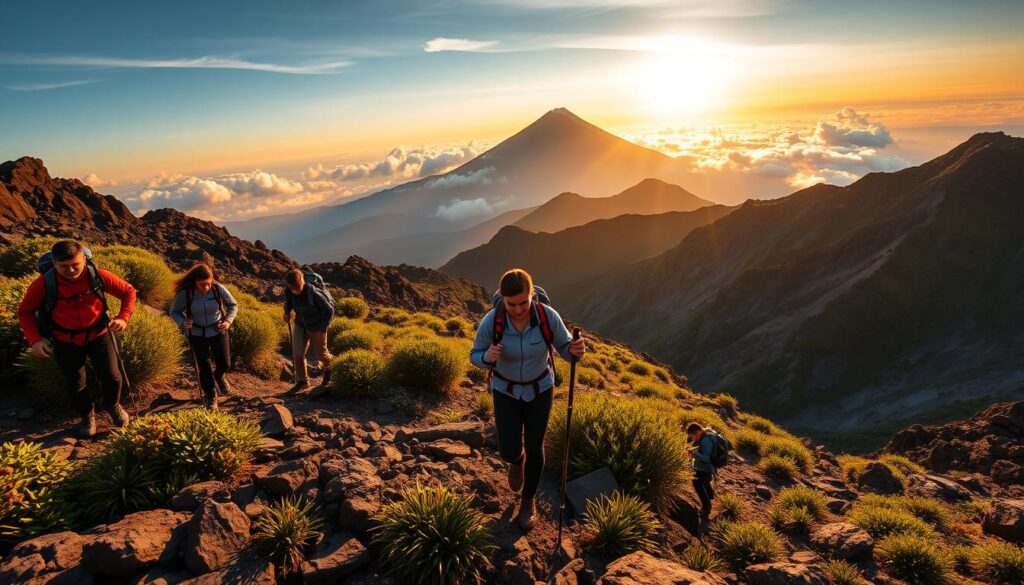
The main route is for those who are fairly fit. You don’t need to be super athletic, but you should be okay with climbing stairs for hours. Consistency is your greatest asset when tackling the mountain’s steep parts.
Some trails, like the Kota Belud Trail near mount kota kinabalu, have stricter rules. Climbers must be 18 or older and very physically fit. Always check the latest age and health rules before booking.
Factors Affecting Climbing Difficulty
Several things can change your mountain experience. The biggest challenge is the 2,000-meter elevation gain, which tests your heart and lungs. The descent is also tough, putting pressure on your knees and joints.
Other important factors include:
- Footwear: Good hiking boots are essential for safety.
- Weather: Quick changes in weather can make the climb harder.
- Pack Weight: A lighter pack helps with balance and less fatigue.
- Altitude: Drinking enough water and pacing yourself are key to handling the thin air.
Your success should come from thorough preparation, not just hoping for it. Focus on getting enough sleep, eating well, and moving steadily to ensure a safe and rewarding climb.
Required Permits for Climbing
Getting the right permits is key for a great kota kinabalu climb. The mountain is protected, so you can’t just start climbing. You need a permit, a guide, and a place to stay at Panalaban.
Plan ahead to avoid stress. Book your Sabah Parks reservation two to three months early. This is very important for peak times or weekends.
How to Obtain Permits
When you register, pick your route. You can choose the Ranau Trail or the Kota Belud Trail. Remember, you can’t change your route after booking.
Book your Mount Kinabalu permits early to match your flights and travel plans. For more info, check the frequently asked questions.
Cost of Climbing Permits
The climbing permit cost is part of a bigger package. It includes park entry, guide fees, insurance, and transfers. Prices vary based on your nationality and the services in your package.
Check the latest prices with Sabah Parks or your tour operator. Make sure your quote covers everything for your kota kinabalu climb. Confirming your Sabah Parks reservation in writing helps you focus on getting ready.
Best Time to Climb
Choosing the right time to climb Kinabalu is key for a safe journey. The mountain is open all year, but the weather greatly affects your climb. Knowing about Mount Kinabalu weather helps you get ready for what’s ahead.
Ideal Weather Conditions
The best time to climb Mount Kinabalu is from April to September. These months usually have less rain, making it safer for hikers. But, remember that even in the dry season, the weather can change quickly.
Mountain weather is always unpredictable. Even in the dry months, the weather can change fast. Always be ready for surprises when planning your climb.
Seasonal Considerations
The Sabah rainy season brings a lot of rain, making trails slippery and dangerous. In these wet times, paths can be very risky. Bad weather and cold can also make it hard to climb.
Safety rules are strict to keep everyone safe. For example, the Kota Belud Trail opens at 3:00 a.m. But, it can close quickly if the weather gets bad. Heavy rain or strong winds might stop your climb to keep everyone safe.
Instead of just looking at past weather, check the latest updates before you go. Knowing the current Sabah rainy season helps you make better choices. Always choose safety over reaching the top, as the mountain will be there for your next try.
Packing Essentials for Your Climb
When you hike Mount Kinabalu, your Mount Kinabalu packing list is key. The mountain’s weather can change fast, from hot to cold in hours. Being well-prepared keeps you comfortable and safe.
Before you start, test your shoes and pack. New gear needs time to break in to avoid discomfort on the trail.
Gear You Can’t Overlook
Choosing the right hiking shoes for Mount Kinabalu is vital. Look for sturdy, comfortable boots with good grip for the rocky terrain. A light daypack is also key for carrying your gear without strain.
Make sure your pack has these important items:
- A reliable headlamp with extra batteries for the early-morning summit push.
- A detailed first-aid kit, including blister care.
- High-energy snacks and enough water to keep your energy up.
- Personal medication and sun protection.
“Success on the mountain is not just about physical strength; it is about the wisdom to carry exactly what you need and nothing more.”
Recommended Clothing for Different Weather
A layered clothing system is key for managing temperature changes. Cotton absorbs moisture and can make you cold. Choose moisture-wicking, quick-dry synthetic materials instead.
Also, invest in waterproof hiking gear for sudden rain. A good rain jacket and waterproof gloves are essential for the summit.
| Layer Type | Purpose | Material Recommendation |
|---|---|---|
| Base Layer | Moisture Management | Synthetic or Merino Wool |
| Mid Layer | Insulation | Fleece or Down Jacket |
| Outer Layer | Weather Protection | Waterproof Shell |
Keep your spare clothes in a waterproof bag in your pack. This way, you’ll have dry clothes at the mountain hut, no matter the weather.
Preparing for the Climb
Success on the trail comes from steady preparation, not sudden bursts of effort. When you choose to climb Mount Kinabalu, your body needs time to adjust to high altitudes. A six-week program is better than sudden, intense workouts that can hurt you.
Training Tips for Aspiring Climbers
The climb demands muscle stamina, not just strength. Your Mount Kinabalu training should focus on repetitive movements like the climb itself. Stair training is the best way to strengthen your legs for the long journey ahead.
Start by walking with a heavy pack to get used to the weight of your gear. Increase your walking time to build endurance. In the last week, ease off to let your muscles recover fully for the big challenge.
| Week | Focus Area | Activity Type |
|---|---|---|
| 1-2 | Base Cardio | Walking, light jogging |
| 3-4 | Stair Training | Weighted step-ups |
| 5-6 | Endurance | Long hikes with pack |
Nutrition and Hydration Strategies
Good nutrition is as important as exercise. Stick to your usual diet instead of trying new foods or supplements right before your trip. Choose meals high in carbs for lasting energy during your climb.
“The mountain is a test of patience and preparation; those who respect the process find the summit within their reach.”
Drinking water is key to altitude preparation. Drink water all day, even if you’re not thirsty. Staying hydrated and fueled with snacks you like helps keep your energy up for a safe and comfortable climb.
Local Flora and Fauna
The climb up borneo mount kinabalu is more than a test of endurance. It’s a journey through different ecosystems. You’ll see rainforests give way to alpine meadows. This variety of habitats is home to a wide range of life, making Kinabalu Park biodiversity a treasure for the world.
Notable Species You Might Encounter
The mountain is teeming with life. It’s home to thousands of plant species and hundreds of animals. Many of these are found nowhere else on Earth. When you see Mount Kinabalu wildlife, keep a safe distance to protect both you and the animals.
- Nepenthes rajah: A famous giant pitcher plant found in the higher elevations.
- Kinabalu Giant Red Leech: A striking, non-parasitic creature often spotted after heavy rainfall.
- Mountain Blackeye: A small, energetic bird frequently seen by hikers near the rest houses.
- Orchids: The park hosts an astonishing variety of wild orchids, ranging from tiny blooms to vibrant, complex structures.
Environmental Considerations
Protecting the environment is key to enjoying responsible hiking Sabah. Every visitor has a role in keeping the ecosystem intact for the future. Follow these important guidelines to help preserve the mountain:
- Stay on marked paths: Off-trail wandering can harm plants and cause erosion.
- Pack it in, pack it out: Take all trash, including organic waste, back down with you.
- Observe quietly: Loud noises can disrupt the natural behavior of wildlife.
- Leave nature undisturbed: Never remove rocks, plants, or any natural materials from the park.
Respecting the environment is essential to the climbing experience. By following your guide’s instructions and practicing low-impact habits, you help protect this UNESCO World Heritage site for the future.
Safety Tips for Climbers
Reaching the summit is a rewarding goal, but your safety is the top priority. When you climb Kinabalu, the thin air and hard work need you to stay alert. A careful approach lets you enjoy the climb while avoiding risks.
Understanding Altitude Sickness
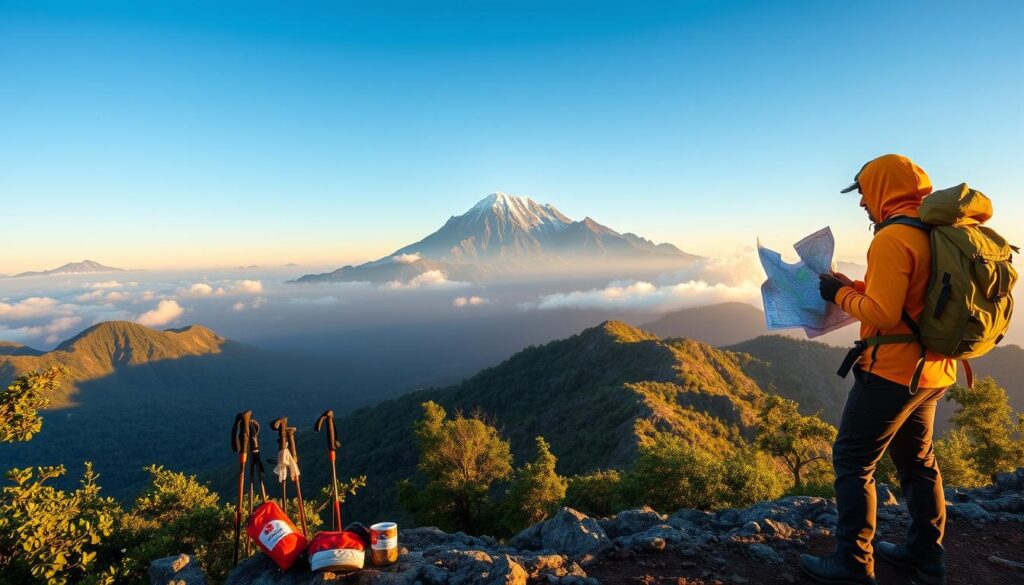
High-altitude places can affect anyone, no matter their fitness. It’s key to spot altitude sickness symptoms early, like headaches, nausea, or feeling very tired. Dizziness and losing your balance are big warning signs.
To help your body, move slowly and drink plenty of water as you go up. If you’re coming from sea level, rest well and skip alcohol to stay hydrated. Mount Kinabalu safety depends on talking openly with your guide about how you feel.
“The mountains are calling and I must go, but I must also know when to listen to my body’s limits.”
When to Turn Back
Deciding to turn back is wise, not a failure. If your symptoms get worse or you can’t keep up, going down is the best choice. Your health is more important than reaching the top.
On trails like the Kota Belud Trail, turning back is easier with strict supervision. Groups here have one guide for every three climbers for better care. Remember, climb Kinabalu success means coming back safely, and your guide will help you make the right choice.
After the Climb: What’s Next?
Reaching the summit of Mount Kinabalu is a big achievement. After you come down, your body needs special care. This is because the climb was very hard.
Recovery and Rest
Focus on drinking lots of water and eating well after the climb. Moving a bit can help your muscles feel better. But, don’t do too much for a few days.
Watch how your body feels and see a doctor if you have pain or feel sick. Resting is key for your body to heal after such a tough climb.
Exploring the Region
Make a plan to see Sabah’s beauty at your own pace. Visit places like the night markets in Kota Kinabalu or the calm waterfront. Kundasang day trips are great for seeing the mountain and enjoying the cool air.
Keep your memories alive with photos and journals. Be kind to the local people and nature you saw. Climbing Mount Kinabalu well means getting the right permits, training, and watching the weather. Using the right gear and being careful are also important for a safe and fun trip in Malaysia.