
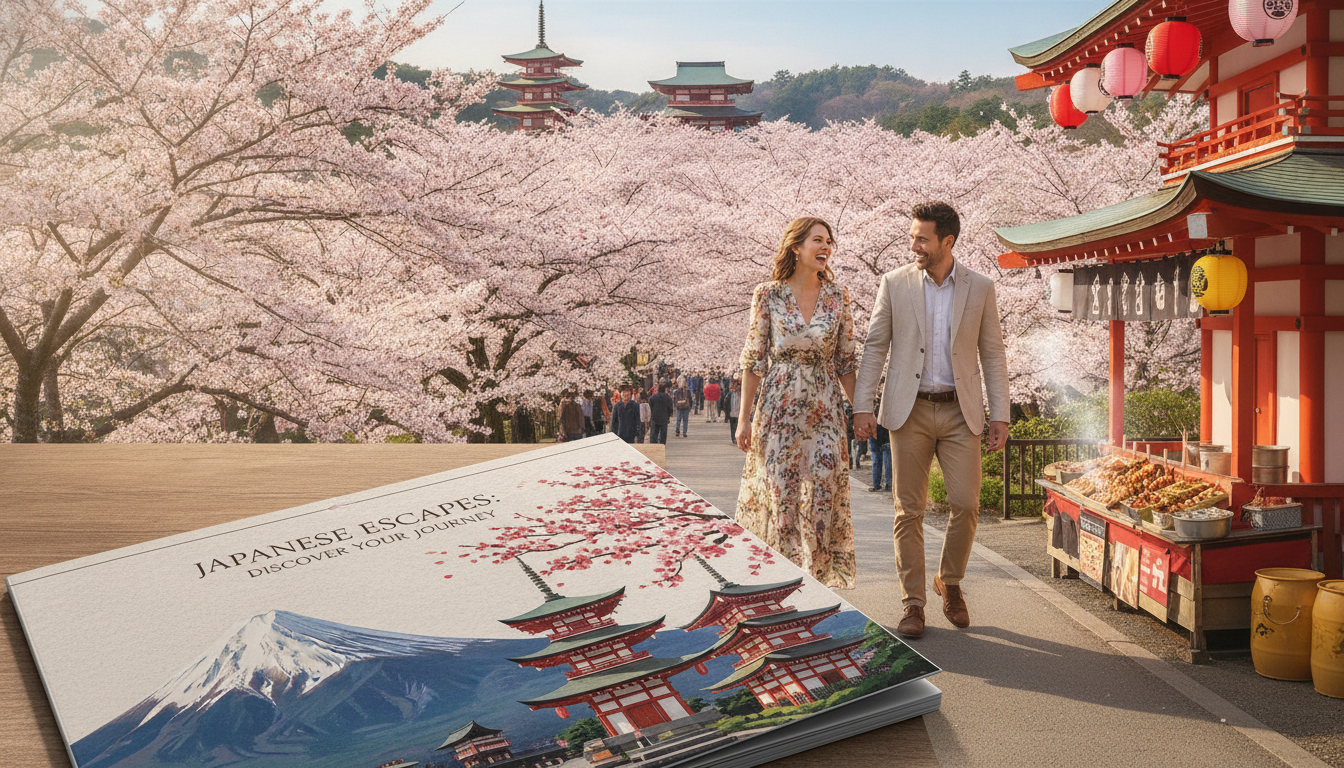
Did you know that over 30 million international travelers visit the Land of the Rising Sun annually? They come to see its unique blend of ancient tradition and futuristic innovation. Planning this complex trip can feel overwhelming, but Japan vacation packages offer a stress-free solution.
These curated bundles combine essential transportation, comfortable lodging, and expert-led cultural excursions into one cohesive itinerary.
Whether you dream of neon-lit streets in Tokyo or serene, historic temples in Kyoto, Japan offers memorable sights. These all-inclusive arrangements help you enjoy the country’s highlights without the headache of individual bookings.
Many travelers also explore best places to travel in winter with top destinations, rounding out their global bucket list. Professional Japan tour packages provide 24/7 support, guided tours, and pre-arranged meals. They let you focus entirely on the journey ahead.
Key Takeaways
- Bundled travel options streamline your itinerary by handling complex logistics like rail passes and hotel bookings.
- Professional planning ensures a balanced mix of modern city life and traditional cultural immersion.
- Most offerings include expert guidance, which provides deep historical context for major landmarks.
- Travelers benefit from 24/7 support, offering peace of mind throughout their international stay.
- Comparing different seasonal options helps you secure the best value for your specific travel dates.
Choose the Right Japan Vacation Package for Your Travel Style
Choosing the right travel plan is the first step toward a memorable journey through the Land of the Rising Sun. Whether you want independence or a planned experience, Japan tour packages offer many ways to explore its culture and landscapes.
Guided Tours, Independent Trips, and Custom Itineraries
Japan guided tours offer a relaxed way to see the country. Experts manage logistics and explain local culture. They suit travelers who prefer a set schedule instead of navigating complex train systems alone.
Independent trips let you set your own pace while using pre-booked lodging and rail passes. For specific interests, a custom Japan itinerary offers great flexibility. You can focus on passions such as culinary arts or ancient history.
All-Inclusive, Land-Only, and Flight-and-Hotel Packages
Knowing what your booking covers helps ensure a smooth arrival. A Japan all inclusive vacation typically combines international flights, airport transfers, and daily excursions in one price. It offers peace of mind from start to finish.
Land-only plans suit travelers who prefer booking airfare with miles or specific airline preferences. Flight-and-hotel packages offer a middle ground, securing your primary travel logistics while leaving your daily schedule open for spontaneous exploration.
| Package Type | Planning Level | Flexibility |
|---|---|---|
| Guided Tour | High (Done for you) | Low |
| Independent | Moderate | High |
| Custom | High (Collaborative) | Very High |
Who Benefits Most From Each Package Type
First-time visitors often find that guided experiences ease the stress of navigating a new language and culture. Families often benefit from packages with pre-arranged transport. This makes moving children and luggage between cities easier.
Budget-conscious travelers can get more value from “Essential” tier accommodations. These focus on clean, convenient hostels or business hotels. In contrast, those seeking a more luxurious escape may prefer “Plus” packages. These feature high-end three- or four-star hotels and private guided services.
Ultimately, the right choice depends on your comfort with local transit and desire for personalized support. Couples often enjoy independent travel’s intimacy, while extroverts may thrive in a group tour’s social setting.
Build an Itinerary Around Japan’s Best Destinations
A well-structured Japan travel itinerary lets you explore Japan’s varied landscapes without feeling rushed. Rather than trying to see every corner in one visit, focus on contrasting regions with distinct cultural flavors. This plan creates a more meaningful and relaxed journey.
Tokyo for Neighborhoods, Food, Shopping, and Pop Culture
Tokyo is an ideal urban base, with countless experiences to enjoy. You can explore Shinjuku’s neon streets, Harajuku’s youth fashion, or peaceful Meiji Jingu. The city is a paradise for food lovers, from high-end sushi counters to hidden ramen shops in subway stations.
Kyoto for Temples, Gardens, and Traditional Experiences
After the capital’s intensity, Kyoto offers a welcome shift toward tranquility. The city features iconic sites like golden Kinkaku-ji and the hillside views of Kiyomizu-dera. Walking through Gion’s preserved streets offers a glimpse into the past, with traditional tea houses and wooden architecture.
Osaka for Street Food, Nightlife, and Universal Studios Japan
A classic Tokyo Kyoto Osaka itinerary is incomplete without Osaka’s vibrant energy. Known as the nation’s kitchen, Osaka serves favorites like takoyaki and okonomiyaki in busy Dotonbori. The city also offers Universal Studios Japan and historical insights at majestic Osaka Castle.
Hiroshima, Miyajima, and Meaningful Cultural Sites
Traveling west brings you to sites of profound historical significance, including Hiroshima’s Peace Memorial Park. It provides a sobering and essential perspective on modern history. A short ferry ride away, Miyajima features the famous floating torii gate and a peaceful atmosphere, unlike city centers.
Hokkaido, Okinawa, and Other Options Beyond the Golden Route
With extra time, venture beyond the standard Tokyo Kyoto Osaka itinerary to discover regional gems. Hokkaido offers vast landscapes and world-class skiing, while Okinawa provides a tropical escape with unique island culture. Whether you seek Takayama’s mountain charm or southern coastal beauty, your Japan travel itinerary can match your interests.
Decide When to Visit Japan
Choosing the best time to visit Japan means balancing your interests with seasonal weather and crowd levels. Each season creates a different mood, landscape, and range of activities for travelers.
Spring Cherry Blossoms and Peak-Season Crowds
Spring may be Japan’s most iconic travel season, known for the delicate beauty of sakura. Many travelers choose Japan cherry blossom tours to see full blooms, usually from late March to early April.
- Mild, pleasant temperatures perfect for walking.
- High demand for accommodations near popular parks.
- Advance booking is essential to secure preferred lodging.
Summer Festivals, Hiking, and Humid Weather
Summer brings lively energy, local festivals, and lush green landscapes to the islands. Hot, humid weather makes it ideal for mountain hiking and coastal exploration.
Summer also offers cultural experiences through fireworks displays and traditional street food events. It suits active travelers who do not mind warmer weather.
Fall Foliage, Comfortable Temperatures, and Scenic Travel
Autumn is a top choice for many visitors because of its crisp air and stunning red maple leaves. Stable weather supports long sightseeing days in Kyoto and exploration of the Japanese Alps.
This season provides a scenic backdrop for photography and outdoor exploration. Moderate temperatures make travel comfortable across urban centers and rural destinations.
Winter Skiing, Hot Springs, and Lower-Cost Opportunities
A Japan winter vacation offers world-class skiing and relaxing natural hot springs, known as onsens. Northern regions like Hokkaido receive abundant snowfall, creating a winter wonderland for sports enthusiasts.
Winter is also a more budget-friendly time to travel beyond the slopes. Flights and hotels may cost less, offering value for travelers who prefer a quieter, more reflective trip.
How Seasonal Events Affect Hotel Availability and Package Prices
Major events, such as peak cherry blossom season and Golden Week, strongly affect the travel market. During these busy periods, hotel availability drops quickly, while package prices tend to rise.
| Season | Key Benefit | Consideration |
|---|---|---|
| Spring | Cherry Blossoms | High Crowds |
| Summer | Festivals | High Humidity |
| Fall | Foliage | Popularity |
| Winter | Skiing/Value | Cold Weather |
Planning well in advance remains the best way to manage these changes. Understanding seasonal shifts helps align your itinerary with your expectations for the best time to visit Japan.
Plan the Ideal Length of Your Japan Trip
Your Japan trip length shapes how deeply you can explore Japan’s islands. Balance sightseeing with rest for a memorable experience. When you plan a trip to Japan, consider travel time and rest days when building your schedule.
Seven Days for Tokyo and Kyoto
A one-week trip offers a focused introduction to Japan. Spend three days exploring Tokyo’s lively districts, then take the bullet train to Kyoto for four days of traditional culture. This meaningful glimpse shows the contrast between modern city life and historic temple architecture.
Ten to Fourteen Days for Tokyo, Kyoto, and Osaka
Ten to fourteen days supports a fuller Tokyo Kyoto Osaka itinerary. You can enjoy Dotonbori’s street food in Osaka and take a day trip to Nara or Mount Fuji. A well-planned Japan travel itinerary gives each city time, so you avoid rushing and absorb its unique atmosphere.
Two to Three Weeks for Regional Exploration
With three weeks, you can travel beyond the main tourist hubs. Explore regions such as the Japanese Alps, the island of Hokkaido, and the historic sites of Hiroshima. A leisurely pace gives you time to find hidden gems that shorter trips cannot reach.
How to Avoid Packing Too Many Cities Into One Itinerary
Many travelers try to see too much in too little time. To avoid burnout, limit hotel changes and choose quality over quantity. Focusing on fewer regions gives you more time with local life rather than sitting on trains.
When a Slower Pace Creates a Better Vacation
A slower pace often creates a more rewarding journey. Extra time in each place lets you enjoy surprises and avoid constant packing. Rest days help you recover from jet lag and stay energized throughout your trip.
| Trip Duration | Primary Focus | Recommended Pace |
|---|---|---|
| 7 Days | Tokyo & Kyoto | Fast-paced |
| 10-14 Days | Tokyo, Kyoto, Osaka | Moderate |
| 21+ Days | Regional Exploration | Relaxed |
Compare What Japan Vacation Packages Include
Travel bundles differ, so check every service before booking. When comparing a Japan all inclusive vacation, the headline price may hide major service differences. Review the Japan package inclusions to avoid surprise costs after arrival.
Flights, Airport Transfers, and Domestic Transportation
Many packages include international airfare, while land-only plans offer more flexibility. Check whether airport transfers are included; public transit with luggage can feel difficult after a long flight. Confirming these logistics early helps you decide whether you need a private shuttle or pre-booked limousine bus.
Hotels, Ryokans, and Breakfast Arrangements
Lodging anchors your trip, but service levels vary among providers. Some packages include daily breakfast, a convenient way to begin exploring each morning. Check whether your itinerary includes traditional ryokans, which often serve elaborate, multi-course dinners and create an authentic Japanese experience.
Rail Passes, Reserved Seats, and Local Transit
Many travelers assume a Japan rail pass always saves money. It offers strong value for long-distance travel but may exclude local subways and private rail companies. Compare your route with individual tickets and regional passes before choosing.
Guided Excursions, Cultural Activities, and Attraction Tickets
Premium packages often include reserved entry to sites such as the Ghibli Museum or Universal Studios Japan. These bookings reduce stress from complex systems in a foreign language. Balance guided activities with enough personal time to explore at your own pace.
Important Inclusions to Confirm Before Booking
Before paying, review the fine print for hidden fees and exclusions. Check taxes, service charges, and your provider’s exact cancellation policy. Use the table below to compare standard features in different travel plans.
| Feature | Basic Package | Premium Package |
|---|---|---|
| International Flights | Optional | Included |
| Airport Transfers | Not Included | Included |
| Japan rail pass | Add-on | Included |
| Guided Tours | Limited | Comprehensive |
Set a Realistic Budget for Your Japan Vacation
A solid Japan travel budget gives your trip a stress-free start. Learn about costs before you leave, so you can enjoy Japan’s culture without worrying about surprise expenses.
Major Costs for Flights, Lodging, Meals, and Transportation
Your main costs include international airfare, lodging, and travel between cities. Prices vary, but pre-packaged options often cost less than booking each part separately.
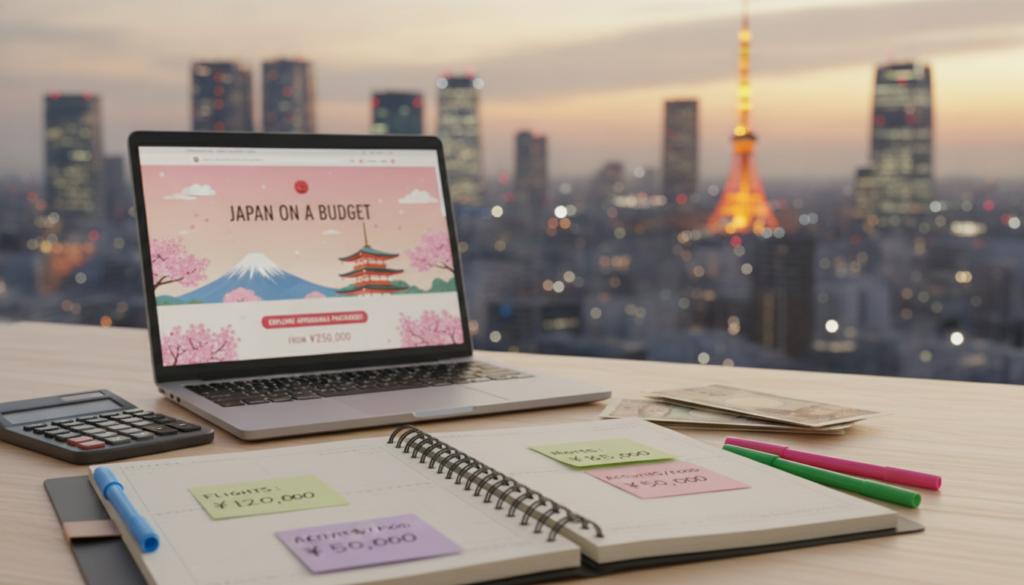
A short six-day trip might start at about $1,185. A fuller 11-day holiday could cost $4,458, based on your choices. Use these figures as helpful planning benchmarks.
How Package Pricing Changes by Season and Hotel Category
Your Japan vacation cost changes based on your travel dates and lodging choice. Peak seasons, including spring cherry blossoms and autumn foliage months, usually cost more because demand rises.
- Luxury Hotels: Offer premium amenities and central locations but increase the total price.
- Traditional Ryokans: Provide an authentic experience, often including elaborate multi-course meals.
- Standard Business Hotels: A practical choice for those prioritizing location and efficiency over space.
Daily Spending for Food, Shopping, and Optional Activities
After booking, set aside money for daily needs. Although Japan vacation packages cover essentials, your spending habits determine your final out-of-pocket total.
| Expense Category | Budget Estimate | Notes |
|---|---|---|
| Casual Dining | $20–$40/day | Includes ramen, bento, and cafes. |
| Local Transit | $10–$15/day | Subway and bus fares in cities. |
| Attractions | $15–$30/day | Temple fees and museum entries. |
Ways to Save Without Sacrificing Convenience
You can control your budget while staying comfortable by making smart choices. Consider a regional rail pass if your plans include extensive travel between cities. Local department store food halls also offer quality meals at a fraction of sit-down restaurant prices.
Hidden Fees, Resort Charges, and Cancellation Conditions
Read the fine print before you finalize your booking. Check for foreign transaction fees on credit cards and local occupancy taxes excluded from your initial quote.
Also, understand the cancellation policy from your travel provider. Knowing deposit requirements and penalty windows protects you if your plans change unexpectedly.
Match Your Lodging to the Experience You Want
Your lodging choice shapes the pace and comfort of your Japanese adventure. With many Japan hotels, every traveler can find a suitable stay.
Convenient City Hotels Near Major Train Stations
Travelers who value efficiency can stay near major transit hubs. These Japan hotels often sit steps from Shinkansen platforms, making early departures and luggage transfers easier.
City rooms may be smaller than rooms in the United States. However, their unmatched convenience saves time for day trips and city exploration.
Traditional Ryokans and Japanese Hospitality
Choosing a ryokan Japan stay offers a deeper cultural connection. These traditional inns provide calm rooms with futons on tatami mats.
Many ryokans serve authentic Japanese meals in guest rooms or shared dining areas. Some also offer soothing onsen baths after a day of sightseeing.
Family-Friendly Rooms and Multi-Generation Travel Needs
Family travel requires planning so everyone stays comfortable. Confirm bed arrangements, connecting rooms, and elevator access before booking.
Many modern properties welcome multi-generation groups with larger suites or western-style bedding. Check the walking distance from the nearest station for every family member.
Luxury Hotels, Boutique Stays, and Scenic Resorts
Japan offers world-class luxury stays with modern design and excellent service. Explore Japan luxury travel with Ker & Downey for curated stays with comfort and privacy.
Boutique hotels offer an intimate setting for travelers who want personal service. They often showcase local crafts and distinctive architectural details.
How Location Can Matter More Than Room Size
Room size can seem important, but location is often the true key to a stress-free trip. A smaller central room usually beats a larger room far from major attractions.
A central location lets you return easily for rest or fresh clothes. The best ryokan Japan or hotel fits smoothly into your daily plans.
Arrange Transportation Across Japan With Confidence
Whether you choose a family adventure or a solo retreat, local transit knowledge is essential. Learning Japan transportation helps keep your trip smooth, on time, and stress-free.
Using the Shinkansen Between Tokyo, Kyoto, and Osaka
The Shinkansen, or bullet train, provides fast travel between major cities. These efficient trains leave often throughout the day.
Travelers often compare a Japan rail pass with separate tickets. If you take several long trips within seven days, the pass often saves significant money.
Understanding IC Cards, Local Trains, and Subway Systems
Rechargeable IC cards, such as Suica or Pasmo, make daily city travel easier. Tap your card at the gate to pay for subways and local buses.
You can also use these cards at many convenience stores and vending machines. They make complex urban transit networks easier to navigate.
When to Consider Domestic Flights, Buses, or Rental Cars
Trains cover most of Japan, but domestic flights can reach distant regions, such as Hokkaido or Okinawa, faster. Highway buses offer a budget-friendly choice for long trips, especially overnight routes.
Rental cars work well in rural or mountainous areas with limited public transit. A vehicle lets you explore the countryside at your own pace.
Managing Luggage During City-to-City Travel
Large suitcases can be difficult to manage on crowded trains. Use the Takkyubin luggage forwarding service to send bags to your next hotel for a small fee.
If you carry your bags, use coin lockers at major stations for temporary storage. Packing light is the best way to move smoothly between cities.
Practical Tips for Stations, Transfers, and Reserved Seats
Large stations can feel overwhelming, so allow extra time for transfers. Check digital displays for platform numbers and follow floor markings to find your car.
Reserve seats early during peak travel seasons or holidays. This helps ensure a comfortable journey, especially with family or heavy luggage.
| Mode of Transport | Best For | Key Benefit |
|---|---|---|
| Shinkansen | Major Cities | Speed and Comfort |
| Local Trains | Urban Commuting | Convenience |
| Domestic Flights | Long Distances | Time Savings |
| Rental Cars | Rural Exploration | Flexibility |
Prepare for Japanese Culture, Customs, and Everyday Travel
Understanding daily life in Japan will make your trip more enjoyable. You do not need to be perfect, but local knowledge helps you handle social situations confidently. These Japan travel tips can help you feel comfortable as you explore the country.
Dining Etiquette, Temple Customs, and Quiet Public Behavior
Dining in Japan often follows special rules, including proper chopstick use. Never pass food directly from one set of chopsticks to another. At temples and shrines, speak softly and follow purification rituals at entrance fountains.
Practice Quiet public behavior on trains and buses, where mobile phone calls are generally discouraged.
Cash, Credit Cards, ATMs, and Mobile Payments
Japan is becoming more digital, but cash remains essential at small shops and in rural areas. You can withdraw yen at ATMs located in 7-Eleven or Lawson convenience stores, which reliably accept international cards. Major hotels and department stores accept credit cards, but multiple payment methods prevent surprises.
Internet Access, Translation Tools, and Useful Japanese Phrases
Stay connected with pocket Wi-Fi rentals or eSIMs, which provide steady coverage for navigation. Translation apps help with menus and signs, while learning Japanese customs and saying “sumimasen” (excuse me) shows respect. Local residents often respond warmly to these small efforts.
Accessibility, Dietary Needs, and Traveling With Children
Japan is generally accessible, but check facility details early if you have specific mobility needs. If you have dietary restrictions, carry a card explaining your allergies in Japanese; it can save your meal. Families traveling with children will find elevators in many stations, but compact strollers work best in crowded areas.
Small Cultural Choices That Show Respect
- Always remove your shoes when entering a home, traditional inn, or certain temple areas.
- Use both hands when handing over money or receiving a business card.
- Avoid eating or drinking while walking in public spaces.
- Follow the specific rules posted at onsen facilities regarding tattoos and bathing etiquette.
These simple practices show respect for local culture. They help you enjoy your trip and build positive interactions throughout your stay.
Book and Personalize Your Japan Vacation Package
A structured approach helps turn your dream trip into a real, personal experience. Whether you choose Japan vacation packages or a tailored plan, booking helps match each detail to your travel goals.
Compare Reputable Travel Providers and Package Terms
Check each provider’s reputation and package terms before you commit. Choose companies that specialize in Japan tour packages and have a record of satisfied customers.
Review what each package includes, such as guides, hotel locations, and transportation duties. Also check the cancellation policy and support available during your stay.
Check Passport, Visa, and Travel Insurance Requirements
Prepare your documents well before departure. Your passport should remain valid for at least six months after your planned return, and your nationality may require a visa.
Also, get comprehensive travel insurance for international travel to protect your investment from unexpected problems.
Customize Free Time Around Must-See Attractions
A well-designed Japan travel itinerary balances planned activities with personal discovery. Your package may include guided visits to major landmarks, but leave time for independent exploration.
Then, you can visit local markets, hidden cafes, or quiet shrines at your own pace.
Reserve Popular Experiences Before Arriving
Popular activities often sell out weeks or months ahead. Book tickets for popular temples, food tours, and seasonal events early.
If you plan a custom Japan itinerary, ask your provider to secure these reservations as part of your plan.
| Experience Type | Booking Window | Priority Level |
|---|---|---|
| Shinkansen Seats | 30 Days Out | High |
| Popular Theme Parks | 2-3 Months Out | High |
| Specialty Dining | 1 Month Out | Medium |
Questions to Ask Before Paying a Deposit
Before paying a deposit for Japan guided tours, ask these questions for clear terms:
- What is the exact policy for refunds if I need to cancel?
- Are there hidden costs for local transit or entrance fees?
- How does the company handle emergency support during the trip?
- Can the itinerary be adjusted if my preferences change?
How to Build a Flexible Plan for Weather or Delays
Travel can be unpredictable, so add extra time to your schedule. Allow extra time for travel between cities in case trains or flights are delayed.
Flexibility is your best asset when weather changes or unexpected closures affect your plans.
Keep indoor alternatives ready for outdoor activities, such as museums or covered shopping arcades. A flexible custom Japan itinerary lets you enjoy a calmer trip when plans shift.
Conclusion
The right travel path can turn a simple vacation into a life-changing experience. The best Japan vacation packages match your pace, destination interests, and comfort needs. Balance Tokyo’s lively streets, Kyoto’s quiet temples, and Osaka’s food for a personal, rewarding journey.
Successful travel requires careful preparation and reliable support. When you learn how to plan a trip to Japan, you can manage daily budgets, transit details, and essential bookings. Compare the inclusions of Japan vacation packages to check transportation, lodging, and cultural activities without hidden surprises.
A clear itinerary helps you explore regional gems without feeling rushed or overwhelmed. Whether you choose a short getaway or explore the Japanese Alps for longer, focus on quality experiences. Organize your trip with professional guidance and thoughtful planning, so each moment feels smooth, memorable, and comfortable.