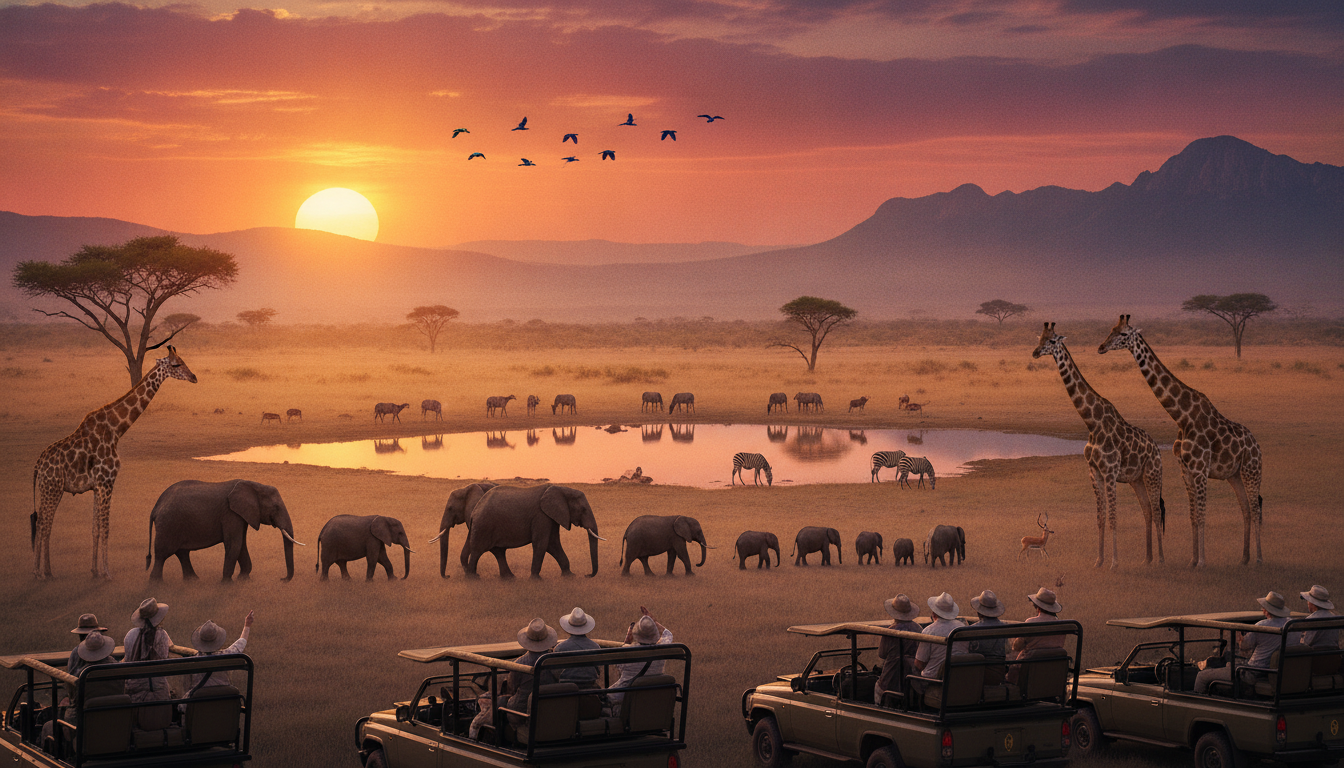
Did you know the continent covers over 11 million square miles and has many different ecosystems? No two wildlife journeys are ever identical. Planning a trip across this vast wilderness can overwhelm even seasoned travelers, but Africa safari packages offer help with lodging, transportation, and expert guides.
These planned options simplify the complex work of traveling through remote regions. A planned route lets you watch nature instead of managing travel problems. Understanding the total safari cost helps you judge support quality and lodging exclusivity.
Your success depends on matching your priorities with the right season and destination. Careful, responsible planning helps create a safe, memorable expedition. With good preparation, you can explore the wonders of the wild with confidence.
Key Takeaways
- Bundled travel options streamline logistics like lodging and transport.
- The continent features distinct regions, each offering unique wildlife encounters.
- Total expenses vary based on seasonality and the level of service provided.
- Matching your travel route to your specific interests improves the overall experience.
- Responsible planning ensures a secure and meaningful journey through nature.
Why Africa Safari Packages Make Planning Easier
Booking a planned journey makes exploring Africa’s remote regions easier. One contact can arrange bush flights, remote lodges, and local transfers. This reduces planning stress and confirms each connection before you leave.
What a Typical Safari Package Includes
A standard safari package includes key services for a smooth bush experience. Most trusted operators add these services to the base price:
- Luxury or midrange lodge accommodations.
- All daily meals and often select beverages.
- Professional guided game drives in specialized vehicles.
- Airport meet-and-greet services and ground transfers.
- Park entry fees for the duration of the stay.
When an All-Inclusive Safari Is Worth the Cost
An all-inclusive safari helps when your route covers several remote parks or private conservancies. These areas have limited infrastructure and often require special bush flights. One booking also avoids changing currency rates and separate booking sites.
This option suits travelers who want predictable budgeting. Prepaid meals, activities, and internal transport let you focus on wildlife. You avoid daily costs and gain security in remote wilderness areas.
What May Cost Extra, From Park Fees to Internal Flights
Many services are bundled, but you should check your final safari cost for exclusions. Even broad plans may leave some personal expenses for travelers. Knowing these costs helps you compare quotes and avoid trip surprises.
| Service Category | Typically Included | Often Excluded |
|---|---|---|
| International Flights | No | Yes |
| Visas and Permits | No | Yes |
| Gratuities | No | Yes |
| Premium Beverages | Sometimes | Yes |
Check your contract to learn whether bush flights or conservation levies appear in your all-inclusive safari quote. Travel insurance, laundry, and optional cultural excursions rarely appear on the standard safari package includes list. Confirming these details early helps keep your total safari cost within budget.
How to Choose the Right African Safari Destination
Choosing the right place is the key step in planning an unforgettable adventure. With so many African safari destinations, focus on the wildlife, scenery, and activities that excite you most.
Kenya for the Masai Mara and Classic Big Five Viewing
A Kenya safari is often the first choice for travelers seeking a classic East African experience. The Masai Mara National Reserve offers world-class chances to see the Big Five—lion, leopard, elephant, buffalo, and rhino—in the wild.
Vast, golden savannahs stretch to the horizon. It is ideal for travelers who want iconic wildlife photography and a deep connection to traditional Maasai culture.
Tanzania for the Serengeti and Great Migration
Choosing a Tanzania safari places you in the legendary Serengeti ecosystem. Millions of wildebeest and zebras cross its plains during the world-famous Great Migration, seeking fresh grazing.
Beyond the migration, Tanzania offers varied landscapes, including the Ngorongoro Crater. This volcanic caldera forms a natural enclosure with unparalleled wildlife density throughout the year.
South Africa for Accessible Parks and Family-Friendly Travel
For convenience and comfort, a South Africa safari offers an excellent starting point. Many private reserves, such as those bordering Kruger National Park, offer luxury lodges with high-end amenities.
This destination is particularly well-suited for families because it offers malaria-free zones and shorter travel times between parks. It blends modern infrastructure with wild, untamed nature.
Botswana for Exclusive, Water-Based Wilderness Experiences
A Botswana safari suits travelers who seek remote, pristine environments. The Okavango Delta is a unique inland wetland for tranquil water-based game viewing via traditional mokoro canoes.
The country prioritizes low-impact, high-value tourism, keeping each experience intimate and exclusive. It is ideal for travelers seeking solitude and a true escape from crowds.
Namibia for Desert Landscapes and Self-Drive Adventures
For travelers seeking independence, a Namibia safari offers vast, dramatic desert landscapes. The towering red dunes of Sossusvlei and the rugged Skeleton Coast contrast sharply with traditional bushveld scenery.
This destination is highly recommended for adventurous travelers who enjoy self-drive itineraries. It offers a unique view of how wildlife, such as desert-adapted elephants, survives in harsh, arid conditions.
Uganda and Rwanda for Mountain Gorilla Trekking
Travelers focused on gorilla trekking Rwanda or Uganda will find specialized, life-changing destinations. Trekking through lush, misty rainforests to meet mountain gorillas in the wild is profound.
These trips require advance planning because permits are limited and strictly regulated. Prepare for moderate physical activity, as mountain terrain can be steep and challenging.
Matching Your Safari Package to Your Travel Style
Whether you seek luxury or a close connection with nature, a safari style can match your needs. The right package fits your comfort level, daily pace, and adventure goals.
Luxury Safari Lodges and Private Game Drives
For travelers seeking an exclusive experience, luxury safari lodges offer exceptional service and comfort. These properties often feature private plunge pools, gourmet dining, and stunning wilderness views.
This style includes private game drives, so you can spend more time watching specific wildlife. A dedicated guide tailors each excursion to your interests and pace.
Midrange Camps for Comfort Without the Highest Price
Midrange options balance comfort with a lower cost than high-end lodges. These camps offer permanent structures or high-quality canvas tents with en-suite bathrooms and reliable electricity.
You can expect excellent hospitality and professional guides in these settings. It is a smart choice for travelers seeking quality wildlife experiences within a sensible budget.
Budget Safaris, Group Tours, and Camping Options
For a budget safari Africa adventure, group tours and mobile camping offer an authentic bush experience. These packages focus on essentials and bring you closer to nature’s sights and sounds.
Group travel helps you meet fellow explorers while keeping costs manageable. Amenities are basic, but sleeping under the stars and sharing campfire stories highlight any budget-friendly trip.
Family Safaris With Short Drives and Child-Friendly Activities
Planning a family trip requires attention to travel details and younger travelers’ needs. Many operators offer special packages with shorter game drives to keep children engaged and comfortable.
Look for lodges that provide child-friendly activities, such as guided nature walks or swimming pools. These options let parents relax while children learn safely about the environment.
Honeymoon and Romantic Safari Experiences
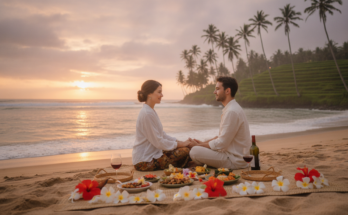
Couples often seek adventure and intimacy during a romantic getaway. Many lodges offer private sundowner drinks, candlelit bush dinners, and secluded suites with panoramic views.
A successful romantic safari balances exciting game viewing with quiet time together. A private deck or peaceful, scenic setting can make a standard trip truly memorable.
The Best Time to Book an Africa Safari
Choosing the best time African safari means balancing seasonal changes with your wildlife goals. Africa is vast, so weather and animal movements differ by region. No single month suits everyone; your choice depends on clear views, lower costs, or special events.
Dry-Season Wildlife Viewing and Peak Travel Demand
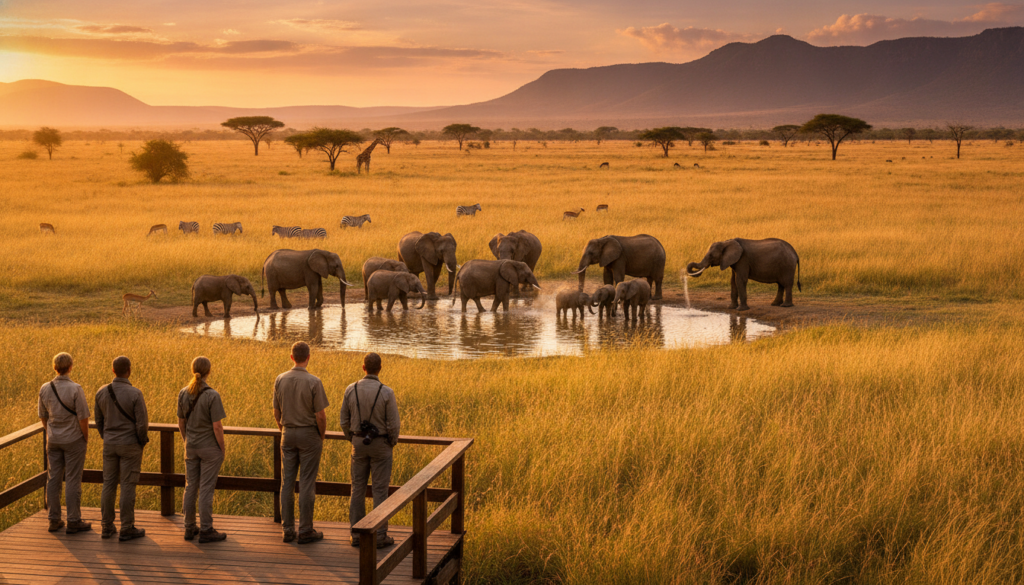
The dry season usually runs from June through October across much of East and Southern Africa. During these months, plants thin out, and animals gather near permanent water sources, making them much easier to spot. This period is widely seen as the peak season for game viewing.
High demand means popular lodges often fill months ahead. Travelers should expect higher prices and more vehicles at animal sightings. This window suits travelers seeking steady weather and famous wildlife encounters.
Green-Season Benefits, Lower Prices, and Lush Scenery
The green season, or “emerald season,” runs during wetter months, usually from November to May. Rain falls more often, but the land becomes lush and bright, creating excellent photography settings. Many camps also offer significantly lower rates during this period.
This season suits birdwatchers because migratory species arrive in large numbers. Many herbivores also give birth, offering chances to see young animals and nearby predators. It provides a quieter, more personal way to experience the bush.
Timing the Great Migration in Kenya and Tanzania
The Great Migration safari is a year-round event, not a fixed attraction. The herds usually stay in the Serengeti during the early months, then move north toward the Masai Mara. Tracking them requires flexible plans and expert guidance.
Travelers usually visit between July and September to see dramatic river crossings. However, the herds keep moving, so consult your operator about their current location before choosing dates.
Planning Around Gorilla Trekking Conditions
For gorilla trekking Rwanda or Uganda, experts generally recommend June through August and December through February. Drier trails make rainforest hikes easier and less slippery. However, permits are highly sought after, so secure them well ahead of time.
Some travelers choose shoulder seasons to avoid the biggest crowds. Whenever you visit, meeting mountain gorillas in their natural habitat can change your life.
How School Holidays and Weather Affect Availability
School holidays in the United States and Europe strongly affect availability and prices. Demand for family-friendly lodges rises during July, August, and the December festive season. Traveling outside these periods can bring better value and greater privacy.
Weather also affects access because some remote camps close during the heaviest rains. Check conditions for your destination to keep your itinerary smooth and enjoyable.
| Season | Wildlife Visibility | Pricing | Key Advantage |
|---|---|---|---|
| Dry Season | Excellent | High | Easy game spotting |
| Green Season | Moderate | Lower | Lush scenery & value |
| Shoulder Season | Good | Moderate | Balanced experience |
What to Expect From Different Africa Safari Packages
Safari packages open the door to experiences beyond a standard game drive. Many travelers picture a 4×4 vehicle, but African adventures offer much more. Choose an itinerary that balances exciting wildlife tracking with slow-paced exploration.
Classic Big Five Game Drives
The Big Five safari remains a central part of many trips to Africa. This classic activity tracks lions, leopards, elephants, buffalo, and rhinos from a specialized vehicle. Guides use their skills to cross rough terrain and find excellent photography views.
Walking Safaris and Guided Bush Experiences
Walking safaris offer a closer connection with nature. You will learn to identify animal tracks, medicinal plants, and small creatures often missed from vehicles. These trips require a moderate level of fitness and careful attention to your guide’s safety instructions.
Boat and Mokoro Safaris in Botswana
A Botswana safari often uses water transport to explore the Okavango Delta. A mokoro, or traditional dugout canoe, glides quietly through shallow channels. This method suits birdwatching and aquatic wildlife viewing without disturbing nature.
Hot-Air Balloon Flights Over the Serengeti and Maasai Mara
Many visitors consider a sunrise hot-air balloon flight a trip highlight. During a Great Migration safari, you can view the landscape and spot herds from above. Flights depend on weather and require advance booking to secure your place.
Beach-and-Safari Combinations in East Africa and Southern Africa
Combining a bush adventure with a coastal retreat offers a popular way to end your trip. This two-part journey pairs exciting wildlife viewing with peaceful time beside the ocean. Below is a summary of how these combinations typically work:
| Region | Safari Focus | Coastal Pairing |
|---|---|---|
| East Africa | Savannah Wildlife | Tropical Beaches |
| Southern Africa | Diverse Ecosystems | City and Coast |
Combining a Kenya Safari With the Kenyan Coast
A Kenya safari pairs easily with the white sands of Diani Beach. After exploring the savannah, a short domestic flight takes you to the Indian Ocean. This change creates a refreshing contrast between dusty plains and cool sea air.
Pairing a Tanzania Safari With Zanzibar
Zanzibar’s spice island makes an ideal partner for a Tanzania safari. You can track wildlife in the Serengeti during mornings and explore historic Stone Town later. This pairing suits travelers who enjoy cultural history and natural beauty.
Adding Cape Town and Victoria Falls to a Southern Africa Itinerary
A South Africa safari often begins a broader regional tour. Many travelers add Zimbabwe’s iconic Victoria Falls or Cape Town’s vibrant culture. These additions create a complete trip with world-class wildlife and city exploration.
How Much an African Safari Usually Costs
Understanding African safari prices starts with the factors that shape your total investment. Costs vary, but these details help you make choices that fit your financial goals.
Budget Ranges for Budget, Midrange, and Luxury Trips
Your total safari cost depends largely on the comfort and privacy level you choose. Budget travelers often choose group camping tours for an authentic experience at a lower price.
Midrange trips balance comfort with cost. They often include permanent tented camps or lodges with en-suite facilities. Luxury packages offer private reserves, gourmet dining, high-end amenities, and greater privacy.
The Main Factors That Change the Final Price
Several factors affect your final quote, including the time of year you travel. Peak season raises prices, while shoulder season often provides better value.
Transportation also affects your budget. Flying between camps saves time but costs more, while road transfers usually cost less. Choosing a private vehicle instead of a shared game drive vehicle also changes your total expenditure.
Park Fees, Flights, Tips, Visas, and Travel Insurance
Remember mandatory expenses that initial quotes may exclude. Park entry fees are often charged daily and can be high in popular destinations.
Do not overlook travel insurance. It protects your investment from unexpected cancellations or medical emergencies. Also budget for international flights, visa processing fees, and gratuities for guides and camp staff.
Ways to Save Without Sacrificing the Wildlife Experience
Strategic planning can create a high-quality budget safari Africa experience. Traveling during the green season often lowers rates while still offering excellent wildlife viewing.
Stay in well-located midrange camps near prime game areas without paying luxury prices. Visiting fewer regions can lower internal flight costs and create a more immersive experience in each location.
| Category | Typical Daily Range (USD) | Key Features |
|---|---|---|
| Budget | $250 – $400 | Camping, shared vehicles, basic meals |
| Midrange | $500 – $850 | Tented camps, en-suite, varied activities |
| Luxury | $1,000 – $2,500+ | Private lodges, fly-in, exclusive access |
How to Build a Comfortable Safari Itinerary
Thoughtful planning and realistic expectations can shape a memorable journey through the African wilderness. A well-crafted safari itinerary guides your trip and helps you experience the bush’s magic without travel fatigue.
Choosing the Right Number of Safari Days
Many first-time visitors try to see too much in too little time. Spending at least three nights in one location helps you settle into the wild’s rhythm and spot elusive wildlife.
Quality over quantity is the golden rule here. Staying longer in one area reduces packing stress and creates a deeper connection with the local ecosystem.
Balancing Game Drives With Rest and Cultural Activities
A typical bush day can be demanding because of early starts and bumpy terrain. Balance intense game drives with downtime at your lodge or camp.
“The true beauty of a safari is not just in the sightings, but in the stillness of the landscape between them.”
Add cultural visits to local villages or guided nature walks to break up the routine. These activities refresh you and offer insight into communities living alongside wildlife.
Allowing Extra Time for Regional Flights and Road Transfers
Remote travel can face delays from weather, road conditions, or flight schedules. Add several hours, or even an extra night, between major hubs and remote bush airstrips.
This plan keeps one delay from ruining your schedule. Flexibility is your best friend across the vast distances of Africa.
Sample Itinerary Ideas for First-Time Visitors
Whether you plan a Kenya safari or explore the southern plains, a clear structure helps. The table below shows common trip lengths.
| Itinerary Type | Focus | Recommended Duration |
|---|---|---|
| Classic East Africa | Wildlife & Migration | 7-9 Days |
| Comprehensive Adventure | Diverse Ecosystems | 14 Days |
| Southern Circuit | Parks & Waterways | 10-12 Days |
A One-Week Kenya or Tanzania Safari
A focused 7-day Kenya safari itinerary suits travelers with limited time. It lets you explore two major parks, such as the Maasai Mara and Lake Nakuru, without feeling rushed.
A Two-Week East Africa Adventure
For a deeper experience, a two-week trip can combine a Tanzania safari with a coastal visit or neighboring country. This timeframe suits photography enthusiasts who need extra time for the perfect shot.
A Southern Africa Route With Multiple Destinations
Southern Africa offers strong connections between diverse landscapes. Start at a private game reserve in South Africa, then fly to Botswana’s wetlands or Namibia’s dramatic dunes for variety.
Where to Stay: Lodges, Tented Camps, and Permanent Camps
Finding the right wilderness base means balancing comfort with a desire for authentic wildlife encounters. The right safari accommodation gives you a place to rest after long days of exploration.
Comparing Lodge Rooms With Canvas Safari Tents
Many travelers think canvas tents are basic. Yet modern tented camps often match traditional hotels for luxury. They let you hear bush sounds just outside your door.
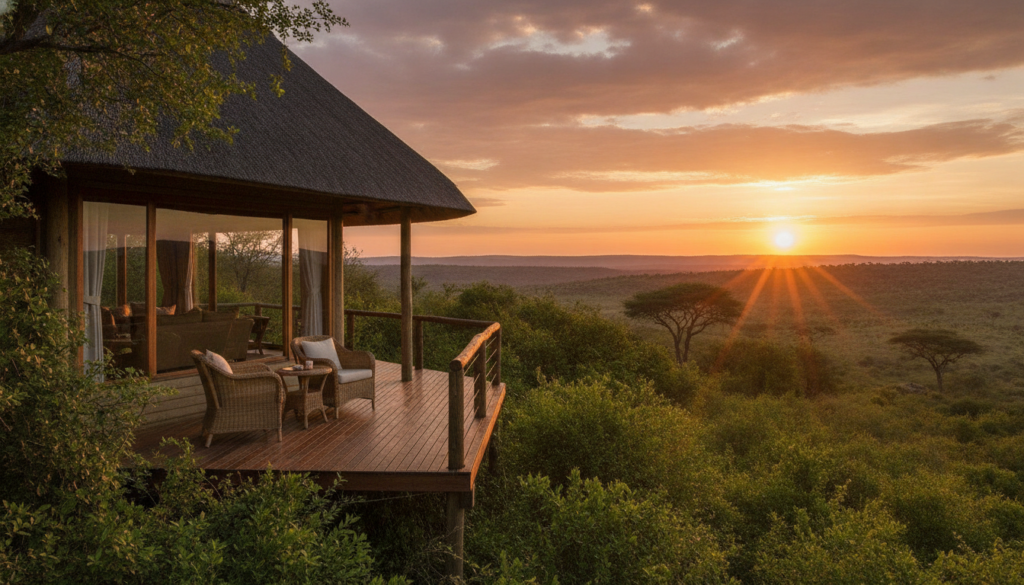
Permanent lodges use stone, wood, or thatch. These luxury safari lodges offer solid walls, large decks, swimming pools, and spacious common areas.
| Feature | Tented Camp | Permanent Lodge |
|---|---|---|
| Atmosphere | Immersive & Authentic | Solid & Spacious |
| Privacy | Canvas walls | Private structures |
| Amenities | High-end comfort | Full-service luxury |
Private Conservancies Versus National Parks
Choosing between a national park and private conservancy changes your game-viewing experience. National parks are public spaces that often attract more vehicles during peak hours.
Local communities or private owners manage private conservancies. They often limit vehicles at sightings, creating a more exclusive and intimate experience for guests.
- Off-roading: Many conservancies allow vehicles to leave the tracks to get closer to wildlife.
- Walking Safaris: Guided bush walks are more common and accessible in private areas.
- Night Drives: You can often explore the bush after dark to spot nocturnal predators.
What to Look for in Meals, Wi-Fi, Power, and En-Suite Facilities
When reviewing your safari accommodation, check the practical details. Most high-end camps provide en-suite bathrooms with hot running water, even in remote locations.
Solar arrays or generators often provide power, so charging cameras and phones may be limited to certain hours. Many lodges offer Wi-Fi in main areas, but the bush invites you to disconnect and enjoy nature.
How Location Affects Game Viewing and Transfer Times
Your camp’s location determines time spent in vehicles and the bush. A camp deep inside a reserve reduces travel time, helping you reach prime wildlife areas soon after sunrise.
If you choose luxury safari lodges on the periphery, you may face longer daily transfers. Consider the distance from the nearest airstrip or park gate to keep your itinerary efficient and stress-free.
Wildlife Highlights and Activities to Look For
Safari magic comes from nature’s surprises. Travelers may arrive with a checklist, but the best moments often happen without warning. Exploring Africa’s extraordinary wildlife experiences takes an open mind and patience.
Tracking the Big Five and Understanding Realistic Expectations
The term Big Five safari names the lion, leopard, elephant, buffalo, and rhinoceros. Hunters once found these animals hardest to hunt on foot. Today, they represent the pinnacle of wildlife photography, yet they remain wild and move freely across vast landscapes.
Expert guides use tracking skills to find animals, but they cannot promise sightings. Patience is your greatest asset when searching for elusive predators. Focusing on the journey, not only the destination, creates a richer experience.
Birdwatching, Predators, Elephants, and Seasonal Wildlife
Africa also has rich biodiversity beyond its famous mammals. Birdwatchers can find hundreds of colorful species, while a Great Migration safari reveals wildebeest and zebras crossing the plains. Elephants often gather in large family herds, offering close views of their complex social lives.
Gorilla and Chimpanzee Trekking Requirements
Primate encounters offer a different thrill and require physical preparation. If you plan gorilla trekking Rwanda, secure permits well ahead because conservation limits are strict. These treks often cross dense forests, so moderate fitness is essential.
Visitors must follow health rules to protect these endangered species. Keeping a safe distance and following guide instructions helps protect their natural behavior.
Cultural Visits With Maasai, San, and Other Local Communities
Meaningful visits with local communities add depth to any itinerary. Authentic cultural experiences require mutual respect and informed consent. Whether meeting the Maasai in East Africa or the San in the south, visits should provide fair benefits for the local hosts instead of staged performances.
Why Every Safari Day Feels Different
No two days in the bush feel the same. Seasonal changes, shifting weather, and wildlife movements make each game drive feel new. The table below shows the range of activities you might enjoy during your trip.
| Activity Type | Primary Focus | Best For |
|---|---|---|
| Game Drives | Big Five & Predators | Classic Wildlife Viewing |
| Guided Walks | Flora & Small Fauna | Detailed Nature Study |
| Primate Trekking | Gorillas & Chimps | Active Adventure |
| Cultural Tours | Local Traditions | Human Connection |
Safety, Health, and Packing Advice for Safari Travel
A successful journey into the wild begins before your flight. Prepare your health needs and gear so you can enjoy the wildlife ahead.
Recommended Medical Planning and Vaccination Conversations
Consult a travel medicine specialist or your primary physician first. Health needs vary by destination and season, so professional guidance is essential.
Discuss your full itinerary to learn whether you need vaccines for diseases like yellow fever or hepatitis. Carry medical records and prescriptions in their original packaging to avoid problems at international borders.
Malaria Prevention, Sun Protection, and Hydration
Many safari regions have malaria, so preventive medicine is a standard precaution. Ask your doctor which anti-malarial tablets suit your health and planned destinations.
Wear long sleeves and use high-quality insect repellent to protect yourself. The African sun can be intense, so wear a wide-brimmed hat and apply sunscreen often. Also, stay hydrated by drinking plenty of bottled water throughout the day.
Staying Safe Around Wildlife and Following Guide Instructions
Your guide helps keep you safe. Following their instructions is the most important of all safari safety tips. Guides are trained to read animal behavior and spot possible dangers.
“The wilderness is not a zoo; it is a dynamic, unpredictable environment where respect for the animals’ space is the ultimate rule of engagement.” — Anonymous Safari Expert
Stay quiet during game drives so you do not startle animals. Never leave the vehicle unless your guide says it is safe. Keep your limbs inside the car at all times.
What to Pack for Game Drives and Changing Temperatures
Pack for comfort and practicality. Temperatures can shift from chilly mornings to hot afternoons, so wear layers.
Clothing and Footwear for Morning and Evening Drives
Choose lightweight, breathable fabrics in neutral colors like khaki, tan, or olive green. These colors help you blend in and attract fewer insects than bright or dark blue clothing.
- Pack a warm fleece or windbreaker for early morning game drives.
- Wear comfortable, closed-toe walking shoes to protect your feet.
- Bring a lightweight scarf or buff to protect against dust.
Binoculars, Camera Gear, and Useful Travel Accessories
High-quality binoculars are essential for spotting distant wildlife. Protect camera gear from bush dust with a sealed bag or simple pillowcase.
Do not overlook comprehensive travel insurance for safari coverage. Make sure your policy includes emergency medical evacuation for peace of mind in remote parts of the continent.
How to Book a Responsible and Reliable Safari
A memorable journey begins before you board the plane. Choosing Africa safari packages means trusting an ethical operator with your vacation.
Questions to Ask a Safari Operator Before Paying
Before making payments, research your provider carefully. Ask how long it has operated and whether it holds official memberships with recognized tourism boards. Transparency is key when you review costs and itinerary details.
- How long has your company been operating in this specific region?
- Are all park fees and government taxes included in the quoted price?
- What is your specific policy regarding cancellations and date changes?
- Can you provide references from recent travelers who visited the same lodges?
Checking Guides, Vehicles, Transfers, and Emergency Support
Your experience depends greatly on reliable logistics. Make sure your operator uses maintained vehicles and licensed guides who follow safari safety tips during every game drive.
Reliable operators have clear emergency plans. These plans include satellite communication in remote areas and medical evacuation procedures for unexpected situations.
Supporting Conservation and Local Communities
Real sustainability requires more than vague marketing claims. Choose operators that show how they support local jobs and wildlife conservation. Learn about an ethical African safari experience by researching their work with nearby villages and protected lands.
Recognizing Misleading Deals and Hidden Fees
If a quote seems too good to be true, it often is. Watch for low prices that ignore park permits, fuel, and qualified staff costs. Request a detailed line-item invoice to prevent surprise costs at your destination.
| Feature | Reliable Operator | Unreliable Operator |
|---|---|---|
| Pricing | Transparent and detailed | Vague or “all-in” without breakdown |
| Communication | Responsive and professional | High pressure to pay immediately |
| Logistics | Verified vehicle maintenance | Unclear transfer arrangements |
Why Travel Insurance and Flexible Policies Matter
Comprehensive travel insurance for safari is essential for every responsible traveler. Your policy should cover medical emergencies, emergency air evacuations, and cancellations caused by unforeseen events.
Choosing travel insurance for international travel protects your health and finances. Verify that your plan covers adventure activities, because standard policies may exclude bush experiences. Flexibility in your booking terms helps you adjust to global changes without losing your investment.
Conclusion
Designing the perfect journey means balancing personal interests with the practical challenges of remote travel. Build a clear safari itinerary with travel times, seasonal wildlife patterns, and your comfort level. Exploring proven Africa safari packages offers a reliable foundation and helps you see the continent’s best sights.
Value extends beyond the initial price. Evaluate guide quality, vehicle reliability, and essential services, and secure comprehensive travel insurance for safari. This protection gives peace of mind during unexpected changes or medical needs in the bush.
Compare detailed quotes from reputable operators, but focus on the total experience instead of the lowest cost. Thoughtful booking helps ensure a safe, rewarding, and memorable encounter with the natural world. Preparation today lays the foundation for a seamless, life-changing adventure tomorrow.