
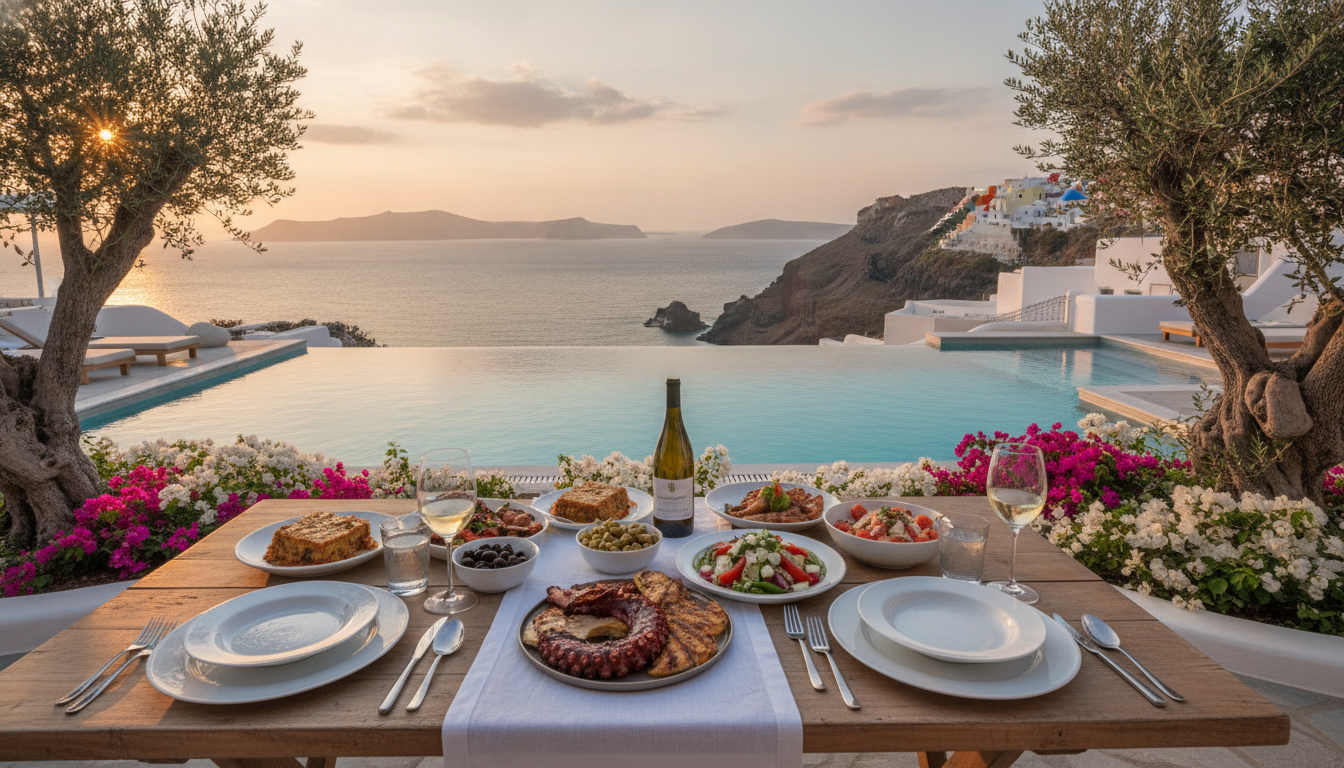
More than 30 million travelers visit the Mediterranean each year to see the cradle of Western civilization. This huge interest shows why choosing the right path is essential for a stress-free experience. Whether you dream of ancient ruins or sun-drenched beaches, organized Greece vacation packages offer structure and freedom.
Island hopping and historical tours can overwhelm first-time visitors. With professional Greece travel packages, you get planned routes that pair famous landmarks with hidden local gems. These plans ease trip planning and offer authentic food and smooth transportation across the region.
You can tailor these plans to your own priorities. Choose pre-set routes or flexible plans for spontaneous exploration. Preparing with expert guidance helps keep every moment memorable and secure.
Key Takeaways
- Organized travel options simplify complex logistics like island hopping and regional transport.
- Customizable itineraries allow travelers to balance iconic sightseeing with personal relaxation.
- Professional planning provides peace of mind regarding local accommodations and safety.
- Comparing different travel arrangements helps you maximize your budget and time.
- Expertly curated routes ensure you experience both historical landmarks and authentic local culture.
Why Greece Vacation Packages Make Planning Easier
Greece package tours offer a stress-free way to enjoy the islands without managing dozens of separate reservations. One itinerary combines flights, hotels, and ground transportation. You can focus on your journey instead of coordinating ferry schedules and hotel check-ins.
How bundled travel arrangements simplify a Greece trip
The main benefit of a package is seamless logistical support. Organized transfers take you from the airport to your hotel or ferry port. This help matters in Greece, where local transit may confuse first-time visitors.
These arrangements often include professional luggage handling. You avoid pulling heavy suitcases over cobblestone streets or through crowded terminals. Local experts manage these details and understand the islands’ rhythm.
What may be included in a package
Travelers often ask how a standard bundle differs from an all-inclusive Greece vacation. Some packages cover every meal and excursion, while others offer more flexibility. You might choose lodging and inter-island transport, then keep evenings open for personal exploration.
- Essential Bundles: Flights, hotel stays, and ferry tickets.
- Semi-Inclusive: Includes breakfast, airport transfers, and guided day tours.
- Full-Service: Covers all meals, private excursions, and premium resort amenities.
When expert planning adds real value
Expert planning helps make your trip authentic and efficient. A knowledgeable tour manager can share insights you might miss, including when to visit popular landmarks and avoid peak crowds. They act as a safety net when weather or ferry delays change your plans.
| Feature | Standard Booking | Package Tour |
|---|---|---|
| Logistics | Self-managed | Fully coordinated |
| Support | Limited | 24/7 Assistance |
| Value | Variable | High (all-inclusive Greece vacation) |
| Flexibility | High | Moderate |
Greece Vacation Packages for Different Travel Styles
A successful trip to Greece balances relaxation with exploration. Greece offers varied landscapes and historic sites, so the right package is essential for a stress-free experience. Whether this is your first visit or a return for deeper local culture, a tailored option awaits.
Relaxed beach vacations for first-time visitors
First-time visitors often benefit from easy travel and iconic scenery. These plans usually cover one or two major islands, reducing complex ferry transfers. Relaxation is the primary goal, with pre-arranged beach transfers and hotels steps from the Aegean Sea.
Culture-focused trips through Athens and mainland Greece
For history lovers, mainland Greece tours reveal the cradle of Western civilization. These packages often include expert-led visits to the Acropolis, Delphi, and the monasteries of Meteora. Guided archaeological tours and comfortable ground transportation let travelers focus on the region’s rich heritage.
Romantic escapes for couples and honeymooners
Greece is a premier destination for romance, and Greece honeymoon packages capture its magic. These trips often feature boutique hotels with private plunge pools, sunset catamaran cruises, and intimate dining experiences. Each detail supports privacy and comfort in some of the world’s most beautiful settings.
Family-friendly itineraries with manageable travel days
Planning family vacations in Greece requires careful attention to logistics. The best family packages limit hotel changes, keeping travel days short and manageable. Kid-friendly excursions, such as cooking classes or beach days, give parents and children a balanced pace.
Adventure packages for hiking, sailing, and outdoor exploration
Active travelers can choose Greece adventure travel programs built around movement and discovery. These packages might include guided hikes through the Samaria Gorge or multi-day sailing trips around the Cyclades. These trips reveal hidden coves and rugged landscapes that standard tour buses cannot reach.
| Travel Style | Primary Focus | Best For | Pace |
|---|---|---|---|
| Beach Relaxer | Sun and Sea | First-timers | Slow |
| Cultural Explorer | History and Sites | History Buffs | Moderate |
| Romantic Getaway | Privacy and Views | Couples | Relaxed |
| Family Adventure | Engagement and Ease | Families | Flexible |
| Active Explorer | Hiking and Sailing | Outdoor Enthusiasts | Fast |
Choosing the Right Greek Islands for Your Getaway
Your dream getaway starts by matching your travel style with each Greek island’s special character. Each destination has a unique mood, so knowing these differences helps plan successful Greece island vacations. Focusing on what matters most helps create an authentic trip made for you.
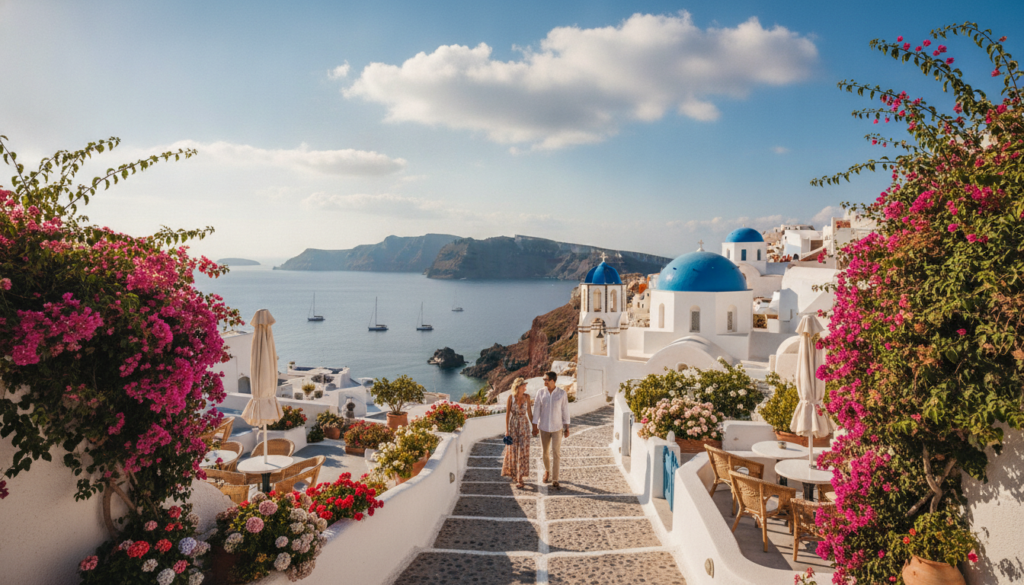
Why Santorini suits scenery, sunsets, and romantic stays
A Santorini vacation suits travelers who want iconic views and dramatic landscapes. The island is famous for its caldera cliffs, whitewashed buildings, and world-class sunsets, which draw visitors worldwide.
It creates an ideal backdrop for couples and honeymooners seeking intimate experiences. The island can be busy, but staying in a boutique hotel overlooking the Aegean Sea remains unmatched.
What makes Crete a strong choice for longer vacations
If you prefer variety, a Crete vacation is an excellent choice. As the largest island in Greece, Crete offers ancient history, rugged mountains, and beautiful Mediterranean beaches.
Because of its size, Crete suits travelers who want at least a week to explore. You can balance time between vibrant cities like Chania and quiet, traditional mountain villages.
How Mykonos appeals to nightlife and upscale travelers
A Mykonos vacation means high-end luxury, sophisticated beach clubs, and legendary nightlife. The island attracts travelers who enjoy a fast-paced setting and premium amenities.
Beyond the parties, the island has beautiful architecture and narrow, winding streets perfect for photography. It suits travelers who want to combine glamour with relaxation in a stylish setting.
When Corfu, Rhodes, or Zakynthos may be better alternatives
The most popular islands may not suit every traveler. If you want lush greenery and Venetian architecture, Corfu offers a refreshing change of pace.
Rhodes offers a deep dive into medieval history, while Zakynthos is famous for its stunning coastal caves and turquoise waters. These islands often feel more relaxed than the busy Cyclades hubs.
Island-hopping considerations for time, ferries, and luggage
Planning a multi-island trip requires careful attention to logistics. Consider these factors when building your itinerary:
- Travel Time: High-speed ferries are faster but can be affected by wind, while conventional ferries offer more stability.
- Luggage: Packing light is essential, as you will be responsible for moving your bags on and off busy ferry decks.
- Distance: Grouping islands within the same chain, such as the Cyclades, significantly reduces transit time.
Limiting your itinerary to two or three islands gives you more time to enjoy your surroundings. Thoughtful planning ensures each transition remains a smooth part of your journey.
Building an Itinerary That Balances Athens and the Islands
A great Greek getaway balances the capital’s historic pulse with the islands’ peaceful beauty. Many travelers find that seeing too much creates a tiring trip. Choosing quality over quantity keeps your journey relaxing instead of filling it with transit days.
How many nights to spend in Athens
Most visitors find that two to three nights in the capital cover major landmarks without feeling overwhelmed. This time lets you explore the Acropolis and Plaka district deeply, with room for a day trip. If you want mainland Greece tours, consider an extra night for nearby archaeological sites, including Delphi or Cape Sounion.
Pairing destinations without creating a rushed schedule
When planning your Greek island hopping adventure, group islands served by the same ferry line. Jumping between distant island groups creates long travel days and reduces your time to relax. Choose one cluster, such as the Cyclades, to keep travel times manageable and predictable.
Planning around ferry and domestic flight connections
Logistics shape the flow of your trip. Ferries offer a classic experience, but domestic flights save time between Athens and farther islands like Santorini. Allow at least three hours between arriving in Athens and any onward connection, in case of delays.
Sample itinerary ideas for one week and two weeks
Whether you have seven days or a fortnight, a clear plan supports a stress-free trip. A classic Athens and Santorini itinerary for one week usually uses two main stops, maximizing time on the ground. For longer trips, you can add more variety to your Greek island hopping plans.
| Duration | Primary Focus | Recommended Stops |
|---|---|---|
| 7 Days | Classic Highlights | Athens (2), Mykonos (2), Santorini (3) |
| 12 Days | Deep Exploration | Athens (3), Mykonos (3), Paros (3), Santorini (3) |
| 14 Days | Relaxed Pace | Athens (3), Naxos (4), Ios (3), Santorini (4) |
Remember that these suggestions provide flexible frameworks. Adjust your pace to match your energy levels and specific interests. A well-balanced Athens and Santorini itinerary will leave you refreshed instead of rushed.
What to Look for in a Greece Vacation Package
Beyond the attractive price, a trip’s value lies in the details of your booking. Reviewing Greece vacation package inclusions helps ensure a smooth island journey.
Hotel location, room standards, and included amenities
Check your accommodation’s exact location near city centers or beaches. A hotel “near the coast” might require a long walk to the water, so study maps carefully. Make sure your room includes expected features, such as private balconies or sea views, common highlights in Greece package tours.
Flights, airport transfers, ferries, and ground transportation
Island hopping can make logistics challenging. Confirm whether your package includes a private airport transfer or requires you to find a taxi. Check whether ferry tickets are booked and ground transport connects ports with your accommodation.
Guided tours, excursions, and free time
A balanced itinerary gives structure without feeling restrictive. Choose packages with guided history tours and enough free time to explore independently. This mix covers key sights and leaves room for spontaneous discoveries.
Meals, resort benefits, and optional add-ons
Clarify which meals your daily plan includes. Some packages offer breakfast only; others include half-board, with breakfast and dinner. Also check resort benefits, such as beach club access or spa credits, which can add value.
Flexible booking terms and supplier quality
Your travel provider’s reputation matters as much as the itinerary. Reliable suppliers often offer 24/7 support when ferries are delayed or flights are canceled. Choose companies with clear communication and proven track records.
Why cancellation and change policies matter
Multi-stop itineraries often require nonrefundable deposits for ferries and boutique hotels. Understanding the cancellation policy helps protect your investment. Know the deadline for changes before heavy penalties apply.
Questions to ask before making a deposit
Before paying, ask your agent specific questions to avoid surprises. Ask about exact ferry routes, hotel distances from major attractions, and plans if weather cancels an excursion.
| Feature | Standard Package | Premium Package |
|---|---|---|
| Transfers | Shared Shuttle | Private Car |
| Accommodation | 3-Star Hotels | 4/5-Star Boutique |
| Excursions | Group Tours | Private/Custom Tours |
| Support | Email Only | 24/7 Concierge |
Setting a Realistic Budget for a Greek Vacation
Creating a solid Greece vacation budget helps you plan a stress-free Mediterranean escape. Knowing what affects spending lets you focus on memories instead of surprise costs.

Major costs that shape the total trip price
Your total Greece vacation cost depends mainly on lodging, transportation, and trip length. A nine-night trip might cost $1,568, while a premium seven-night trip could reach $3,139 based on service and exclusivity.
- International Airfare: Prices fluctuate based on departure city and booking lead time.
- Inter-island Transport: High-speed ferries are faster but often cost more than traditional slow ferries.
- Accommodation Standards: Boutique hotels and sea-view suites command higher rates than standard guesthouses.
How seasonality affects airfare and hotel rates
Timing is perhaps the most important factor in financial planning. Traveling during the peak months of July and August usually brings the highest flight and lodging prices.
Visiting in shoulder seasons—late spring or early autumn—often saves money. You can often find better flight and hotel rates, plus milder temperatures and fewer crowds.
Comparing all-inclusive, semi-inclusive, and à la carte options
Choosing the right booking style can simplify money management. An all-inclusive Greece vacation offers peace of mind by bundling meals, drinks, and sometimes excursions into one upfront price.
Many travelers prefer a semi-inclusive or à la carte plan to experience local tavernas. The following table shows the main trade-offs between these booking styles:
| Booking Type | Financial Predictability | Flexibility |
|---|---|---|
| All-Inclusive | High | Low |
| Semi-Inclusive | Medium | Medium |
| À La Carte | Low | High |
Planning for meals, tips, activities, and local transportation
After booking, set aside a daily allowance for extra costs. Greece has less tipping than the United States, but rounding up restaurant bills is a polite and appreciated gesture.
Include bus tickets and taxi fares in your daily Greece vacation budget. Also reserve money for archaeological-site entrance fees and optional guided excursions.
Ways to find value without sacrificing location or comfort
You do not need to overspend for an authentic experience. Many travelers find higher-quality rooms at lower rates by staying just outside major tourist hubs.
Prioritize spending by deciding what matters most, such as a central location or private balcony views. Then choose an all-inclusive Greece vacation or custom itinerary that fits your financial goals.
Picking the Best Time to Visit Greece
Greece offers ancient ruins, beautiful beaches, and many other experiences. The best time to visit Greece depends on your travel goals.
What to expect during the spring shoulder season
Spring runs from April to early June and is a magical time to explore mainland Greece and historic sites. You will see lush, green landscapes that create a stunning backdrop for photos and outdoor activities.
Mild temperatures make this season ideal for walking tours in Athens or hikes across the Peloponnese. The sea may be too cool for long swims, but fewer crowds bring closer contact with local culture.
Advantages and trade-offs of a summer visit
July and August are the peak months for sun-seekers. This is the best time to visit Greece for world-famous beaches and lively nightlife on islands like Mykonos.
Expect high temperatures and large crowds at popular landmarks. Book well ahead to secure your preferred hotels and ferry connections during these months.
Why September and October can be ideal for island travel
Many experienced travelers call early autumn the sweet spot for a Greek vacation. The summer heat starts to fade, while the Aegean Sea stays warm enough for comfortable swimming into October.
You will often find popular destinations more relaxed after the main tourist rush. This period offers a peaceful atmosphere for travelers who prefer a slower pace.
Weather, crowds, and seasonal closures to consider
Greece follows a seasonal schedule. Many island businesses, including boutique hotels and tavernas, may close from November through March.
- Spring: Mild weather, fewer crowds, limited swimming.
- Summer: Hot weather, peak crowds, full island activity.
- Autumn: Warm water, thinning crowds, ideal for sightseeing.
Matching travel dates to swimming, sightseeing, or hiking goals
Choosing the best time to visit Greece starts with your main activity. If you prioritize hiking and archaeology, choose the shoulder seasons to avoid the intense midday sun. If you prefer island hopping and beach relaxation, choose summer or early September for the steadiest weather.
Practical Planning Details for Travelers from the United States
Planning international travel helps turn your dream Greece vacation packages into reality. Handle these financial and administrative tasks early. Then, enjoy Greece’s stunning landscapes and rich history.
Passport, entry, and travel document requirements
United States citizens should ensure their passports remain valid for at least six months after leaving the Schengen Area. Current Greece entry requirements are straightforward for short-term tourism, but travelers should watch for changes, such as the ETIAS authorization system.
Using euros, credit cards, and local payment methods
The euro is Greece’s official currency. Major hotels and restaurants in cities like Athens accept credit cards. Still, carry cash for smaller island tavernas and local markets.
- Notify your bank of your travel dates to avoid card blocks.
- Use cards with no foreign transaction fees for better value.
- Keep small denominations of euros for tips and local transport.
Staying connected with eSIMs, Wi-Fi, and mobile data
Modern technology makes staying in touch easier. Many travelers prefer an eSIM, which activates a local data plan without swapping physical SIM cards.
Most hotels and cafes offer reliable Wi-Fi. Your own mobile data helps you use maps and translation apps in remote villages. Check your domestic carrier’s international roaming rates before leaving home.
Managing jet lag and transportation after arrival
Flights from the United States to Greece often involve overnight travel, causing significant jet lag. To adjust quickly, stay awake until local evening and drink plenty of water during your flight.
Pre-arranged transfers offer the easiest way to reach your hotel after arrival. If traveling alone, use official taxi queues or pre-booked private car services for safety and fair prices.
Travel insurance, medical access, and emergency preparation
Securing comprehensive Greece travel insurance is one of the most important steps for any international trip. Quality coverage offers peace of mind, especially during complex island-hopping itineraries.
“Preparation is the best companion for any traveler. When you have the right protection in place, you are free to fully immerse yourself in the beauty of your destination.”
Protecting a trip involving multiple islands
Multi-island trips include several moving parts, such as ferry schedules and domestic flights. If high winds cancel a ferry or delay a flight, your insurance may cover missed connections and extra accommodation.
Keeping digital and printed copies of key documents
Keep secure backups of your essential travel documents. Store digital copies in a password-protected cloud service. Keep physical photocopies of your passport and insurance policy in a separate bag from the originals.
Following these Greece travel tips will help you travel with confidence. Preparation helps you handle surprises and focus on the incredible experiences ahead.
Making Greek Travel More Comfortable and Authentic
Discovering Greece’s soul takes more than visiting sites; it requires respect and curiosity about local traditions. Change your view, and a standard vacation can become a genuine connection. These Greece travel tips help you explore with grace while benefiting the places you visit.
Respecting local customs at beaches, churches, and villages
Greece keeps tradition woven into daily life. When visiting churches or monasteries, dress modestly and cover your shoulders and knees. Local residents value this simple sign of respect.
In small villages, a friendly “kalimera” (good morning) goes a long way. These quiet streets are people’s homes, so keep noise low. Ask permission before photographing private residences.
Choosing locally owned restaurants and meaningful experiences
To enjoy authentic Greece travel, choose family-run tavernas over large international chains. These restaurants often use nearby farm ingredients, giving you a true taste of the region. Local workshops, such as olive oil tasting or traditional cooking classes, create lasting memories beyond a standard souvenir.
Packing for cobblestones, heat, ferries, and changing weather
Practicality matters when preparing for your trip. Leave high heels home because white-washed streets often have uneven cobblestones. Wear sturdy walking shoes, pack light fabrics for summer heat, and bring a jacket or pashmina for breezy ferry-deck evenings.
Allowing extra time for relaxed meals and unexpected discoveries
Greek life moves at a famously unhurried pace. Allow extra time for long lunches and watch the world go by. The best Greece adventure travel moments may come from leaving main paths for a hidden viewpoint or quiet seaside cove.
Reducing overtourism pressure through thoughtful destination choices
Practicing sustainable Greece travel preserves the country’s beauty for future generations. Visit during shoulder season or explore lesser-known islands instead of popular hotspots. These choices support local economies and preserve regional charm. For your next escape, explore Greece vacation packages or research winter travel destinations for a balanced, meaningful itinerary.
How to Reserve a Package With Confidence
Planning your dream trip to Greece takes care and attention. A careful reservation process helps match each detail to your plans and reduce travel stress.
Comparing itineraries, inclusions, and total prices
When you compare Greece travel packages, look beyond the starting price. Check the trip length, included activities, and accommodation quality in each bundle.
A full review shows what you will receive for your money. Explore different Greece vacation packages to compare cost, quality, and convenience.
Checking reviews, credentials, and customer support
Before booking, check your provider’s reputation. Read independent reviews from past travelers to judge company reliability and support quality.
A trusted provider should offer clear ways to communicate. Knowing that help is available when plans change can bring peace of mind.
Confirming names, dates, transfers, and room details
Accuracy matters when you complete your booking. Make sure passenger names match passports exactly and travel dates are correct.
Review the itinerary and check that airport transfers and ferry connections are clear. Confirming these details early helps prevent avoidable errors after you arrive in Greece.
Reviewing payment schedules and cancellation protections
Understand the agreement’s financial terms before you book Greece vacation packages. Read the fine print about deposits and final payment deadlines.
Check the cancellation policy to learn your options if unexpected problems occur. For extra security, consider travel insurance for international travel to protect your investment from disruptions.
Using a travel professional for complex or multi-island trips
For trips with several islands or complex transport, a travel professional can provide valuable help. These experts can manage ferry schedules and domestic flights that make independent planning difficult.
An expert can tailor your Greece travel packages to match your preferred pace. This help keeps your trip smooth, so you can enjoy your well-deserved getaway with confidence.
Conclusion
The right travel plan turns a dream into a smooth reality. High-quality Greece vacation packages help you explore ancient ruins and sun-drenched islands with peace of mind.
A successful trip matches your personal pace with the right itinerary. Whether you prefer luxury resorts or authentic local experiences, the best Greece vacation packages include ferry links and hotel standards.
Check your travel documents and insurance coverage before departure. Review cancellation policies to protect your investment from unexpected changes. Then, focus on the Mediterranean’s vibrant culture and history.
Greece blends warm hospitality with timeless beauty. Carefully planned Greece vacation packages support your budget and travel goals while creating a balanced trip. Start your adventure today with confidence from thorough preparation.
FAQ
What is typically included in a bundled Greece vacation package?
How much should a traveler from the United States budget for a week in Greece?
FAQ
What is typically included in a bundled Greece vacation package?
Most Greece packages include boutique hotels, airport transfers, and island travel. Island travel uses Aegean Airlines or high-speed ferries like Hellenic Seaways. Depending on service, packages may include a tour manager, luggage handling, and skip-the-line access to major landmarks, including the Acropolis.
These plans reduce booking work, so travelers can enjoy the experience.
How much should a traveler from the United States budget for a week in Greece?
Current industry standards and traveler feedback show that a high-quality nine-night itinerary can start around
FAQ
What is typically included in a bundled Greece vacation package?
Most Greece packages include boutique hotels, airport transfers, and island travel. Island travel uses Aegean Airlines or high-speed ferries like Hellenic Seaways. Depending on service, packages may include a tour manager, luggage handling, and skip-the-line access to major landmarks, including the Acropolis.
These plans reduce booking work, so travelers can enjoy the experience.
How much should a traveler from the United States budget for a week in Greece?
Current industry standards and traveler feedback show that a high-quality nine-night itinerary can start around $1,568. Premium seven-night luxury packages may exceed $3,139. These figures often cover core logistics, but budget for daily costs, including local meals, guide gratuities, and optional Santorini catamaran cruises.
Prices fluctuate by hotel standard and the islands visited.
When is the best time to visit the Greek islands to avoid crowds while enjoying warm weather?
The shoulder seasons—May to June and September to early October—offer warm swimming weather and fewer crowds. Hotel and airfare prices are usually lower than during the peak July and August season. Travelers seeking archaeology or hiking may prefer spring, while those seeking a classic beach experience find the Aegean Sea warm into October.
Why is travel insurance recommended for multi-island Greek itineraries?
Travel insurance protects complex trips with nonrefundable services, including ferry tickets, private transfers, and specialized tours. Providers like Allianz Global Assistance and Travelex offer protection from Mediterranean weather, which can delay ferries, and medical emergencies. A policy keeps one missed connection from causing major losses throughout the rest of your itinerary.
Which islands are best suited for a first-time visitor?
Santorini and Mykonos offer a quintessential Greek experience, with iconic scenery and high-standard upscale stays. They remain the most popular choice. Crete suits travelers wanting a longer, varied vacation with Minoan history and diverse landscapes.
For fewer crowds, choose Paros or Naxos for authentic culture and beautiful beaches, a manageable ferry ride from Athens.
How should I manage money and connectivity while traveling through Greece?
Greece uses the Euro (€). Visa and Mastercard work widely in tourist hubs, but carry cash for smaller villages and local markets. Many use Airalo or Holafly eSIMs, avoiding roaming fees while navigating Athens or checking live ferry schedules via Ferryhopper.
What are the practical considerations for taking ferries between islands?
Island-hopping requires planning for transfer times and luggage. High-speed ferries are efficient but sensitive to high winds. Larger vessels, such as those operated by Blue Star Ferries, offer steadier journeys.
Confirm whether your package includes port-to-hotel transfers, because Greek ports can be chaotic during peak summer. Always allow a “buffer day” in Athens before your international flight for possible maritime delays.
What is the appropriate etiquette when visiting religious or rural sites in Greece?
Cultural awareness supports a respectful journey. When visiting Orthodox churches or monasteries, wear modest clothing that covers your shoulders and knees. In smaller villages, greet locals and ask permission before photographing residents or private homes.
Support locally owned businesses and choose traditional tavernas over international chains. This helps your visit benefit the local community.
,568. Premium seven-night luxury packages may exceed ,139. These figures often cover core logistics, but budget for daily costs, including local meals, guide gratuities, and optional Santorini catamaran cruises.
Prices fluctuate by hotel standard and the islands visited.
When is the best time to visit the Greek islands to avoid crowds while enjoying warm weather?
The shoulder seasons—May to June and September to early October—offer warm swimming weather and fewer crowds. Hotel and airfare prices are usually lower than during the peak July and August season. Travelers seeking archaeology or hiking may prefer spring, while those seeking a classic beach experience find the Aegean Sea warm into October.
Why is travel insurance recommended for multi-island Greek itineraries?
Travel insurance protects complex trips with nonrefundable services, including ferry tickets, private transfers, and specialized tours. Providers like Allianz Global Assistance and Travelex offer protection from Mediterranean weather, which can delay ferries, and medical emergencies. A policy keeps one missed connection from causing major losses throughout the rest of your itinerary.
Which islands are best suited for a first-time visitor?
Santorini and Mykonos offer a quintessential Greek experience, with iconic scenery and high-standard upscale stays. They remain the most popular choice. Crete suits travelers wanting a longer, varied vacation with Minoan history and diverse landscapes.
For fewer crowds, choose Paros or Naxos for authentic culture and beautiful beaches, a manageable ferry ride from Athens.
How should I manage money and connectivity while traveling through Greece?
Greece uses the Euro (€). Visa and Mastercard work widely in tourist hubs, but carry cash for smaller villages and local markets. Many use Airalo or Holafly eSIMs, avoiding roaming fees while navigating Athens or checking live ferry schedules via Ferryhopper.
What are the practical considerations for taking ferries between islands?
Island-hopping requires planning for transfer times and luggage. High-speed ferries are efficient but sensitive to high winds. Larger vessels, such as those operated by Blue Star Ferries, offer steadier journeys.
Confirm whether your package includes port-to-hotel transfers, because Greek ports can be chaotic during peak summer. Always allow a “buffer day” in Athens before your international flight for possible maritime delays.
What is the appropriate etiquette when visiting religious or rural sites in Greece?
Cultural awareness supports a respectful journey. When visiting Orthodox churches or monasteries, wear modest clothing that covers your shoulders and knees. In smaller villages, greet locals and ask permission before photographing residents or private homes.
Support locally owned businesses and choose traditional tavernas over international chains. This helps your visit benefit the local community.