
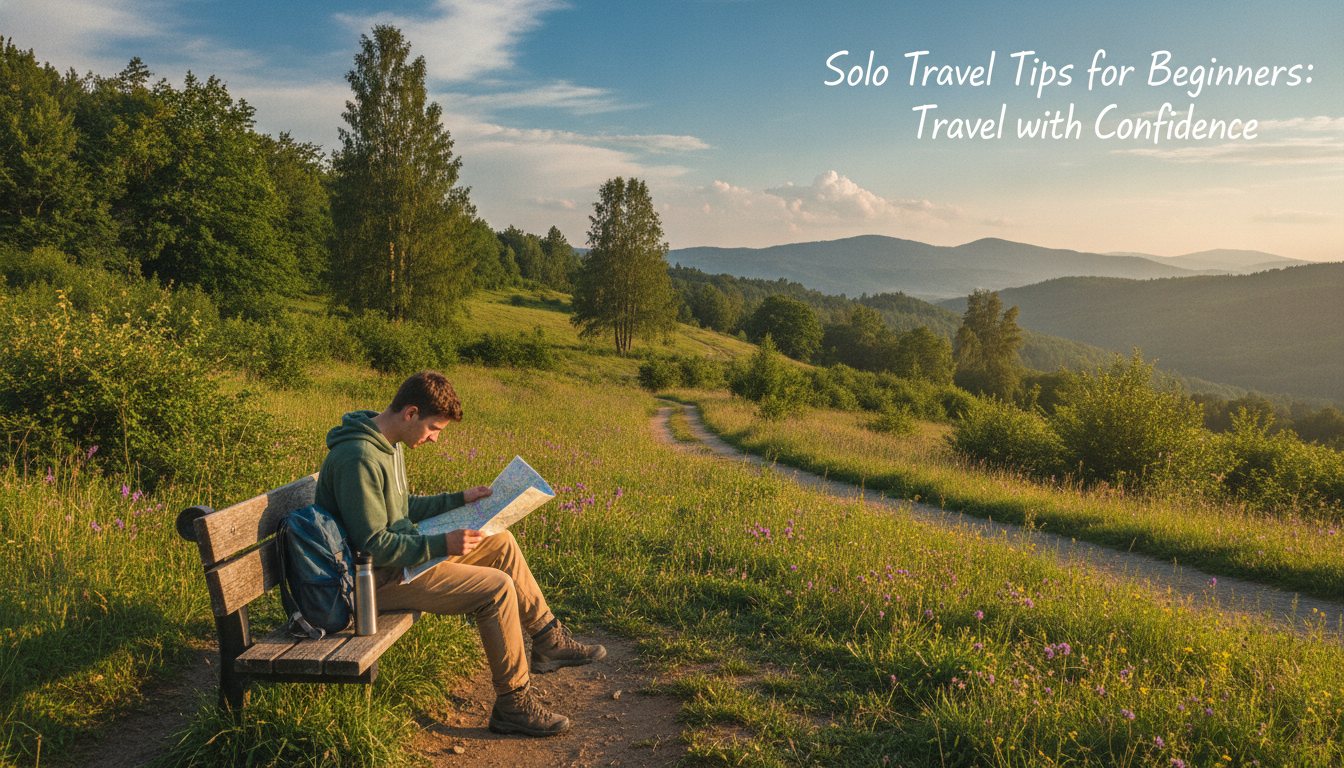
Starting a solo journey is a transformative experience that changes how you see the world. It might seem scary to travel alone, but with the right prep and attitude, it’s doable. Learning these solo travel tips for beginners lets you step out of your comfort zone and enjoy new cultures.
Getting ready is key to a great trip. Knowing your destination and staying safe lets you explore freely. We aim to help you travel with confidence, making your journey safe and fulfilling. Your first solo trip will be a memorable part of your life.
Key Takeaways
- Independent exploration fosters personal growth and self-reliance.
- Preparation is the most effective tool for reducing anxiety.
- Researching local customs helps you navigate new environments smoothly.
- Prioritizing safety measures allows for a more relaxed experience.
- Embracing the unknown leads to unique and memorable cultural discoveries.
The Mindset of a Solo Traveler
Traveling alone is a big change, both in your mind and body. Moving from traveling with others to independent travel means changing how you make decisions and set boundaries. You start to focus on what really interests you, away from others.
Embracing the Freedom of Independence
Traveling solo gives you total freedom. You don’t have to agree on plans or places. This liberating sense of control lets you enjoy things your way, like staying longer in museums or changing your plans.
Learning to travel alone means seeing being alone as a chance to grow. Every choice, from where to eat to exploring a new city, boosts your confidence. It’s not just about being by yourself; it’s about being okay with it in different places.
Managing Expectations for Your First Journey
Before your first solo trip, you might feel a bit scared. Worries about safety or feeling lonely are common. But, think of it as a chance to learn about yourself.
Here’s a good way to start your adventure:
- Focus on the process: See every problem as a chance to learn, not a failure.
- Set realistic goals: Begin with simple plans that include time to relax and think.
- Acknowledge your feelings: It’s okay to feel both excited and nervous on your first solo trip.
By keeping your hopes realistic, you open up to real discovery. Remember, independent travel gets better with time. Starting with a positive solo travel mindset will make your first trip a great start for all your future travels.
Essential Solo travel tips for beginners
Starting to travel alone is exciting and can be done in small steps. Learning solo travel tips for beginners helps you feel more confident. Getting ready is key to a smooth and enjoyable trip.
Starting Small with Domestic Trips
Begin by exploring places in your own country. A short trip to a nearby city is a great start. It lets you get used to traveling alone without the stress of foreign languages or travel rules.
This way, you can get used to traveling by yourself. Once you’re comfortable, you can start looking at places farther away.
Researching Your Destination Thoroughly
Knowing a lot about your destination is important. Look up local customs, how to get around, and any challenges you might face. Knowing about the culture helps you fit in and talk to people easily.
Good research also means finding safe areas and knowing where important places like hospitals or embassies are. Being informed helps you prepare for any problems that might come up.
Trusting Your Intuition in New Environments
Your gut feeling is very important when traveling alone. It’s a key part of these solo travel tips for beginners. It helps keep you safe in places you don’t know well.
If something doesn’t feel right, leave right away. Listening to your instincts is smart, not weak. It keeps you safe and happy on your travels.
Planning Your First Solo Trip
Planning your first solo trip is a rewarding process. It builds confidence through careful preparation. By focusing on logistical details early, you create a safety net. This allows you to enjoy your journey with peace of mind.
Effective solo travel planning transforms a potentially overwhelming experience into a seamless adventure.
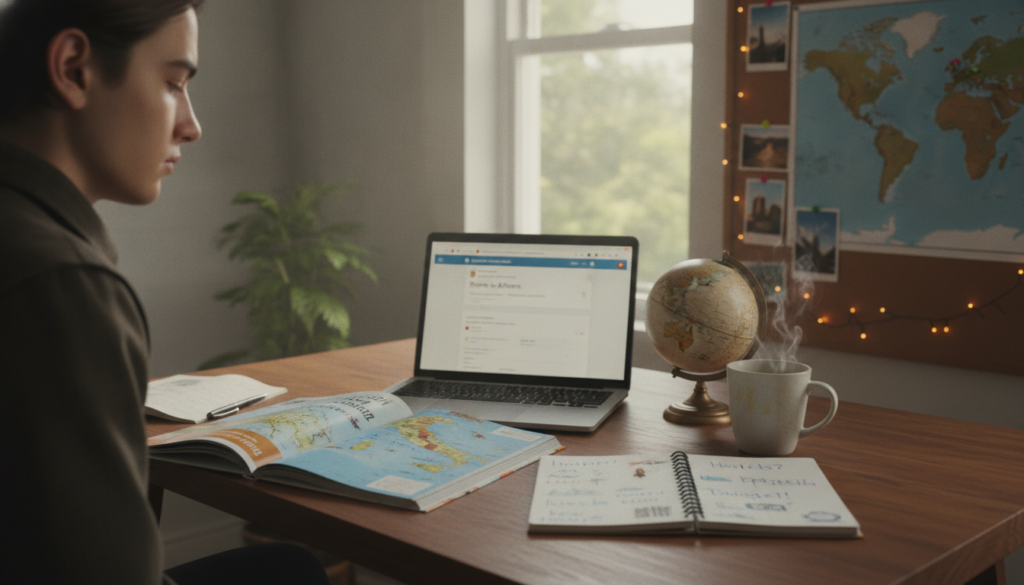
Choosing the Right Destination for First-Timers
Selecting the right location is the most critical step for beginners. Look for destinations with robust public infrastructure. Major cities in Western Europe, Japan, or Canada are good choices.
These areas often provide clear signage, reliable transit, and a high level of general safety. They are perfect for independent explorers.
Consider places where the language barrier is manageable or where English is widely spoken. This reduces stress when navigating transit or asking for directions. Prioritizing accessibility ensures a positive and encouraging experience.
Creating a Flexible Itinerary
A well-structured solo travel itinerary acts as your roadmap. But it should never feel like a cage. Schedule one major activity per day, leaving the rest open for spontaneous discoveries or rest.
This balance prevents burnout and allows you to adapt to your energy levels. Always keep a detailed copy of your plans stored on your phone and a physical paper copy in your bag. Technology can fail, but a printed document ensures you always have access to your hotel address and emergency contacts.
Having this backup provides a sense of security that is vital for any first solo trip.
Booking Accommodations with Security in Mind
When researching solo travel accommodation, prioritize locations that are well-lit and close to public transportation hubs. Read recent reviews from other solo travelers to gauge the atmosphere and safety standards of the property. Choosing a reputable hotel or a highly-rated hostel with 24-hour reception can significantly enhance your comfort.
| Accommodation Type | Security Level | Social Potencial | Best For |
|---|---|---|---|
| Boutique Hotels | High | Low | Privacy and comfort |
| Social Hostels | Medium | High | Meeting fellow travelers |
| Apartment Rentals | Medium | Low | Longer stays |
| Guesthouses | High | Medium | Local experience |
Ultimately, your choice of solo travel accommodation should align with your personal comfort level. Whether you prefer the social environment of a hostel or the quiet privacy of a hotel, ensure the facility has secure entry systems. Taking these steps during your solo travel planning phase ensures you have a reliable home base throughout your journey.
Safety Protocols for Solo Explorers
Learning about solo travel safety starts with simple habits. The world is mostly welcoming, but staying alert keeps your trip positive. By taking safety steps, you can enjoy exploring without worry.
Sharing Your Itinerary with Trusted Contacts
Keeping in touch with loved ones is key to solo travel security. Always share your travel plans with someone you trust. This way, they know where you are.
Use apps or messaging to keep them updated. If your plans change, let them know right away. This proactive communication is a safety net if you need help.
Blending In with Local Customs
Acting like a local helps you stay safe. Learn about local dress and customs before you go. This way, you avoid drawing attention as a tourist.
Stick to busy, public areas, even at night. These places are safer because they’re full of people. If something feels off, go to a crowded, well-lit area.
Utilizing Safety Apps and Digital Tools
Today’s tech offers great safety tools for travelers. Apps can help you stay connected and safe in new places. They offer emergency help, maps, and secure ways to talk.
Recommended Safety Apps for Travelers
Picking the right apps boosts your confidence. Here are some top picks for solo travelers.
| App Name | Primary Function | Best For |
|---|---|---|
| Life360 | Real-time location sharing | Staying connected with family |
| bSafe | SOS alarm and live streaming | Emergency situations |
| Noonlight | One-touch emergency dispatch | Immediate police assistance |
| Google Maps | Offline navigation | Avoiding getting lost |
Using these apps adds a layer of protection to your travels. Remember, tech is a tool, not a replacement for being aware. Stay alert and enjoy your solo adventure.
Managing Finances and Budgeting
Having a solid plan for solo travel finance lets you enjoy your trip without worrying about money. While budgeting for travel is useful, don’t let it overshadow your safety. A clear financial plan helps you feel confident and comfortable in new places.
Handling Currency and Banking Abroad
Tell your bank about your travel plans before you go. This way, your cards won’t be flagged as suspicious. It’s smart to carry two different payment methods, like a debit and credit card, in separate spots.
- Check local currency exchange rates before you arrive.
- Use ATMs inside bank branches to avoid card skimming.
- Keep some local cash for emergencies or small buys.
Protecting Your Assets from Theft
The best way to keep your stuff safe is to not draw attention to it. Don’t carry too much cash in one place. Spread your money in safe spots, like a hidden money belt or a hotel safe.
Stay alert when you’re out. Don’t show off expensive jewelry or gadgets. If you carry a bag, keep it zipped and close to you.
Tracking Expenses to Avoid Overspending
Good budgeting for travel means watching your spending every day. Mobile apps can help you track and stay on budget.
If you’re close to your spending limit, choose safety over extra spending. Solo travel finance is about a safe and lasting trip. Always keep some money aside for emergencies.
Navigating Transportation and Logistics
Knowing how to move around is key to successful solo travel planning. When you travel alone, getting to your destination is up to you. By planning for different ways to travel, you can make moving around easy and stress-free.

Mastering Public Transit Systems
Using local buses, subways, or trams is a big part of solo travel logistics. Before you go, study the transit maps and schedules for your destination. Many cities have apps that give you updates on delays or changes in routes.
- Download offline maps to navigate even without internet.
- Find the nearest transit hubs to your place before leaving.
- Have some local cash for tickets if apps don’t work.
Using Rideshare Services Safely
Rideshare apps are great when public transit isn’t an option. These services offer a safe way to travel, with a digital record of your trip. Always check the driver’s ID and car details against the app before getting in.
Always carry a backup battery for your phone. A dead phone can make a simple ride hard. If you feel uneasy, use the “share my ride” feature in apps to let friends track you.
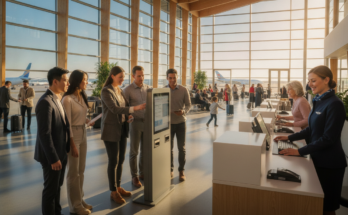
Navigating Airports and Train Stations Alone
Traveling through busy places needs you to be alert and organized. Keep important documents like your passport and tickets in a safe spot. Don’t put all your valuables in one bag to avoid losing everything.
Here are some tips for easier travel:
| Strategy | Benefit | Action |
|---|---|---|
| Light Packing | Increased Mobility | Use a carry-on only |
| Digital Copies | Document Security | Store in secure cloud |
| Early Arrival | Reduced Stress | Arrive 2 hours prior |
Be mindful of your surroundings while waiting for your flight or train. Focus on your environment, not your phone, to keep your belongings safe.
Staying Connected While Abroad
Digital connectivity is key for every solo traveler. Staying connected abroad gives you peace of mind. It helps you navigate new places and deal with surprises easily.
Choosing the Best International Data Plans
Today’s tech makes it easy to stay online without big roaming fees. Using an eSIM is a smart way to keep your phone connected.
These digital SIM cards let you buy local data plans easily through an app. This way, you avoid high roaming costs and stay connected everywhere.
Using Offline Maps for Navigation
Even with a good data plan, signals can be weak in some places. Downloading offline maps before you leave is a smart move.
Apps like Google Maps or Maps.me let you save maps for offline use. This means you can find your way, even without internet.
Maintaining Communication with Home
Checking in with family or friends regularly adds security to your trip. Regular updates make your loved ones feel secure while you travel.
Try setting a regular schedule for these updates, like a daily message. By staying connected abroad this way, you’re never really alone.
Overcoming Loneliness and Social Anxiety
Traveling alone can feel freeing but also lonely at times. It’s normal to feel isolated. Learning to manage solo travel social anxiety takes time and practice. With preparation, you can turn these moments into deeper connections with your surroundings.
Finding Community in Hostels and Group Tours
Choosing the right solo travel accommodation helps fight loneliness. Many hostels have common areas and events to meet others. These spaces are perfect for making friends in a relaxed setting.
For more structure, try a small group tour. These tours offer a ready-made social circle. Shared adventures often lead to lasting friendships that cross borders.
Engaging in Local Activities and Workshops
Diving into local culture is great for feeling connected. Look for cooking classes, language workshops, or walking tours. These activities focus your mind and reduce solo travel social anxiety.
For quiet time, visit museum cafes. They offer a peaceful setting for dining alone. Engaging with your destination through these small interactions makes you feel like a true participant.
Learning to Enjoy Your Own Company
Traveling alone lets you build a stronger bond with yourself. Reframing solitude as a positive space for reflection is key. You can travel at your own pace, without compromise.
Use this time for journaling, sketching, or simply enjoying the view. Embracing these quiet moments is essential for personal growth. By finding peace in your own company, you become a more confident and resilient traveler.
Packing Smart for Independent Travel
Knowing how to pack your luggage is key to successful independent travel. The size and weight of your bags affect how easily you can move around. This is important when you’re traveling alone.
The Art of Packing Light
For solo explorers, the best strategy is to use only hand luggage. This avoids lost bags and lets you move quickly through places like airports.
Choose clothes that can be worn in different ways and in layers. Opt for items that are easy to wash and dry. This way, you can stay clean and comfortable on your trip.
Essential Gear for Solo Safety
Your solo travel packing list should also include safety items. A portable power bank keeps your phone charged. A good luggage lock helps you feel safe in shared spaces.
- Personal safety alarms that emit a loud sound if triggered.
- A universal travel adapter to keep your devices functional globally.
- A hidden money belt or neck pouch for keeping cash and cards secure.
- A reusable water bottle with a built-in filter for clean hydration.
Organizing Documents and Important Records
Staying organized is critical when traveling alone. Keep important documents like your passport and travel insurance in a waterproof folder. This is separate from your digital devices.
Also, make encrypted digital backups of these documents. Store them in a secure cloud service. This way, even if your bag is lost, you can access your documents online.
| Packing Category | Primary Goal | Key Benefit |
|---|---|---|
| Hand Luggage | Mobility | Faster transit navigation |
| Safety Gear | Protection | Increased personal security |
| Digital Records | Accessibility | Emergency information recovery |
Health and Wellness on the Road
Your health is key when traveling alone. Keeping up with solo travel wellness means being proactive every day. This helps you stay energized and enjoy your trip more.
Managing Dietary Needs While Traveling
Trying new foods is exciting, but you must watch your diet. If you have allergies, carry a card in the local language. Always prioritize hydration with a reusable water bottle, as tap water might not be safe.
Learn about local food safety before you go. Choose places with good reputations and observe how locals eat. What you eat each day is a big part of staying healthy while solo traveling.
Accessing Medical Care in Foreign Countries
Being prepared is the best way to stay safe while solo traveling. Check if your health insurance covers you abroad or buy a travel policy. Keep your medical records handy, both digital and physical.
If you need medical help, call your embassy for doctor recommendations. Many insurance plans offer 24/7 help to find clinics. Knowing where to get help makes you feel safer and helps you recover faster.
Prioritizing Mental Health and Rest
Travel burnout is common. Make sure to have downtime to rest your mind. Listen to your body; if you’re tired, take a break.
Staying in touch with loved ones back home is also important. Regular calls can make you feel more grounded. Balancing activity with rest keeps you alert and ready for anything.
| Preparation Category | Action Item | Benefit |
|---|---|---|
| Medical | Travel Insurance | Financial protection |
| Dietary | Translation Cards | Allergy safety |
| Wellness | Scheduled Rest | Prevents burnout |
| Emergency | Local Contacts | Rapid response |
Conclusion
Traveling alone changes how you see the world. It’s more than just getting stamps in your passport. Every step you take builds your confidence and growth.
Being well-prepared lets you enjoy new cultures fully. Companies like World Nomads or Allianz Global Assistance help you feel safe. You can handle your money, health, and plans easily.
The world is open to those who explore with care and curiosity. Use these tips for your next trip. Your independence makes every journey special.
Share your stories with others to inspire them. Solo travel is both possible and rewarding. Begin planning your next adventure with a clear mind and a strong heart.

2 Comments on “Solo travel tips for beginners to travel with confidence”