
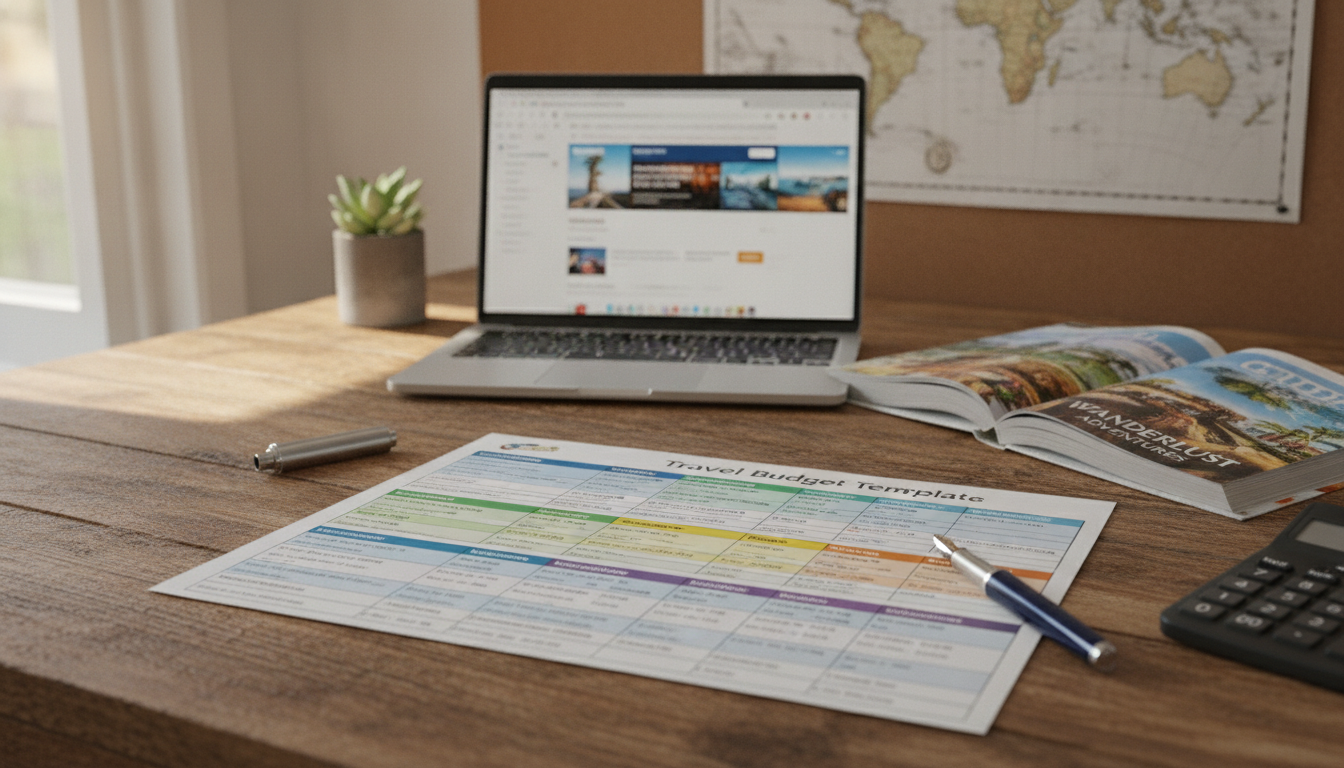
Planning a trip should be fun, but money worries can spoil it. Many forget to track their trip expenses before they go. Having a clear budget lets you enjoy your trip without stress about unexpected costs.
A travel budget template gives you the control you need. It helps you sort out costs, from flights to food, so you don’t overspend. Preparation is key for a stress-free vacation for anyone.
Getting your finances in order early lets you make the most of your trip. Planning ahead helps you avoid common mistakes that can ruin your holiday. Start planning your finances now to make your next trip both fun and budget-friendly.
Key Takeaways
- Proactive financial planning reduces stress and prevents overspending during your vacation.
- A structured approach helps you categorize and monitor all anticipated costs effectively.
- Using a digital tool ensures you maintain clarity regarding your total expenditures.
- Early preparation serves as the foundation for a secure and confident journey.
- Managing your finances allows you to focus on enjoying your time away.
Why You Need a Structured Travel Budget Template
Traveling should be about discovery, not stress. Without a clear budget, the thrill of travel can turn to worry. A structured travel budget template helps you enjoy your trip without financial stress.
The Psychological Benefits of Financial Planning
Planning your finances before you go reduces travel anxiety. Knowing your budget lets you make choices with confidence. This control shifts your focus from worry to the joy of exploration.
With finances in order, you can dive into new cultures and experiences. You won’t question every purchase or worry about your bank account when you return. A solid plan is like a mental safety net, keeping your peace of mind during your journey.
Avoiding Common Overspending Pitfalls
Good travel planning protects you from impulsive spending. Without a plan, small expenses can add up fast. A template helps spot these costs before they hurt your finances.
Setting spending limits helps you avoid overspending. This disciplined approach keeps your financial health strong even after your trip. Using a structured tool is the best way to stick to your budget and enjoy memorable travel experiences.
Defining Your Total Trip Budget
Creating a solid financial plan is key to successful travel planning. A detailed travel budget template helps turn dreams into real plans. It makes sure your money is used wisely before you travel.
Calculating Your Available Savings
The first step in financial planning is to check your savings. You need to know how much money you can use for your trip without hurting your monthly bills. It’s important to keep your trip money separate from your emergency fund for safety.
Start by looking at your income and subtracting your monthly bills. Then, decide how much you can save each month for your trip. Saving regularly helps avoid using credit cards with high interest rates when you’re away.
Setting Realistic Spending Limits
After figuring out your total budget, divide it into daily travel costs. Having a daily limit helps you make smart choices while traveling. If your savings don’t match your dream trip, you might need to adjust your plans or travel style.
The table below shows how different travel styles affect your daily budget:
| Travel Style | Daily Budget Range | Primary Focus |
|---|---|---|
| Budget Traveler | $50 – $100 | Hostels and local street food |
| Mid-Range Traveler | $150 – $300 | Boutique hotels and mix of dining |
| Luxury Traveler | $500+ | Premium resorts and fine dining |
Prioritizing your spending lets you spend more on what’s important to you. Whether you want luxury or local experiences, setting a budget keeps you in control of your money during your trip.
Categorizing Your Travel Expenses
A good vacation budget starts with knowing where your money goes. By grouping your expenses, you understand your spending better. A budget spreadsheet helps you track these with ease.
Fixed Costs Versus Variable Costs
Managing your money means knowing fixed and variable costs. Fixed costs stay the same, like flights and hotel deposits. They don’t change, no matter what you do.
Variable costs change based on your choices. This includes food, transport, and shopping. Knowing this helps you control your spending.
| Expense Type | Description | Examples |
|---|---|---|
| Fixed | Pre-determined costs | Airfare, Hotel, Insurance |
| Variable | Flexible spending | Meals, Souvenirs, Taxis |
| Contingency | Emergency buffer | Medical, Repairs |
Accounting for Pre-Trip Expenditures
Don’t forget the costs before you leave. These pre-trip expenditures are key to a solid plan. Include travel insurance, visa fees, and gear in your budget.
“A budget is telling your money where to go instead of wondering where it went.”
Ignoring these costs can mess up your vacation budget. List them in your budget spreadsheet early. This way, you know your total costs and can relax on your trip.
Transportation Costs and How to Track Them
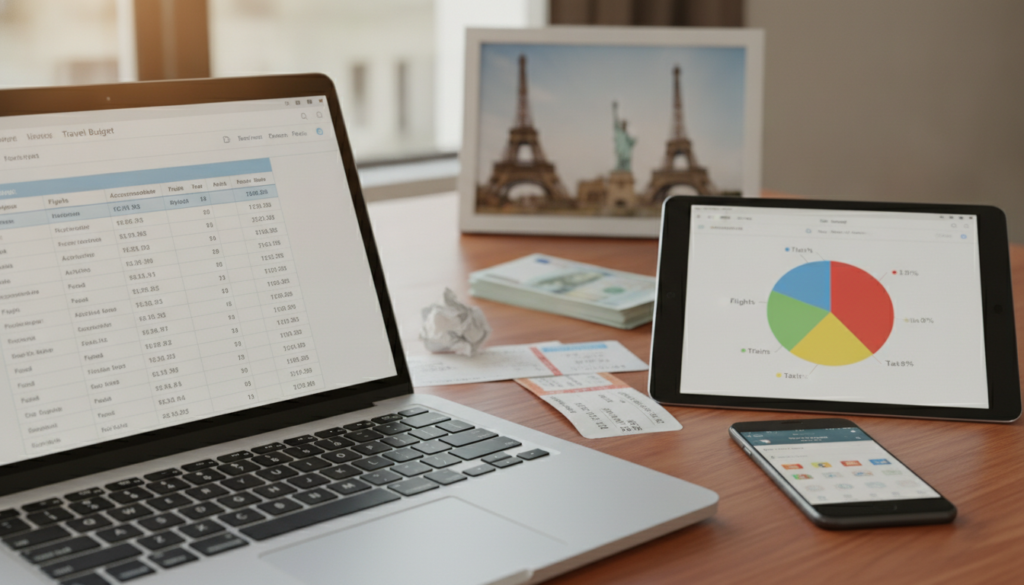
Transportation is often the biggest part of your travel costs. Keeping track of every purchase helps avoid overspending. Regular expense tracking keeps you informed of your spending.
Airfare and Baggage Fees
Booking flights is the first big expense. Don’t forget ancillary charges like seat selection and baggage fees. These can add up quickly.
Make a special section in your budget for these costs. Always check the specific baggage policies of your airline to avoid extra fees. Digital receipts make tracking easier later.
Local Transit and Rental Car Estimates
At your destination, plan your daily travel carefully. Whether renting a car or using public transport, remember hidden costs. Fuel, parking, and tolls can surprise you.
Here’s a guide to track common transit expenses:
| Expense Category | Estimated Cost | Tracking Method |
|---|---|---|
| Rental Car | Daily Rate + Insurance | Mobile App Log |
| Fuel & Parking | Variable Daily Average | Receipt Scanning |
| Public Transit | Passes or Per-Ride | Spreadsheet Entry |
If renting a car, look up parking rates in your destination. For public transport, a multi-day pass can save money. Staying organized with receipts helps control your travel costs.
Lodging and Accommodation Budgeting
Choosing where to stay is a big decision. You need to think about the cost of each night and any extra fees. Finding a place that’s both comfortable and fits your vacation budget is key to a worry-free trip. Start looking early to find a good deal without spending too much.
Comparing Hotel Rates and Vacation Rentals
Hotels usually have set prices and offer convenient amenities like cleaning and dining. But, they might not have as much space or a kitchen like vacation rentals. Renting a place can save you money if you cook your own meals, helping keep your vacation budget in check.
Here’s a quick comparison to help you decide what’s best for you:
| Feature | Traditional Hotel | Vacation Rental |
|---|---|---|
| Space | Standard room | Apartment or house |
| Amenities | Daily service | Kitchen access |
| Pricing | Per night | Per stay/night |
Hidden Fees and Taxes to Anticipate
Many people forget about extra costs that pop up at the end. Hotels often add resort fees or parking charges not in the initial price. Vacation rentals might have cleaning fees and service charges that can change your vacation budget.
Make sure to check local taxes, as they can differ. Careful research into these extra costs can avoid surprises. Knowing about these can help keep your vacation budget accurate and reliable during your trip.
Food and Dining Expense Management
Managing your daily meal budget helps you enjoy local foods without breaking the bank. It’s all about finding a balance between everyday meals and special treats. Planning ahead keeps your spending steady throughout your trip.
Allocating Funds for Daily Meals
Setting a clear daily meal budget is key to smart travel spending. Many travelers divide their food costs into breakfast, lunch, and dinner. They also save a bit for snacks or coffee.
- Grocery shopping: Visit local markets for breakfast items or picnic supplies.
- Street food: Try affordable, authentic street food to dive into local culture.
- Water and hydration: Use a reusable bottle to save money on bottled water.
Budgeting for Experiences and Fine Dining
It’s vital to save for special dining moments too. If you plan to splurge at a fancy restaurant, balance it out with cheaper meals for the day.
By focusing on your top dining experiences, you can enjoy the best of your destination without overspending. Strategic planning helps avoid letting one expensive meal ruin your budget.
| Dining Category | Cost Level | Frequency | Budget Strategy |
|---|---|---|---|
| Casual/Street Food | Low | Daily | Primary focus for sustenance |
| Mid-Range Bistro | Moderate | Occasional | Reserved for lunch or dinner |
| Fine Dining | High | Once per trip | Planned as a special event |
Planning for Activities and Sightseeing
A good travel itinerary helps you focus on the sights you really want to see. It also keeps your spending in check. While it’s fun to make spontaneous plans, knowing your sightseeing expenses helps avoid stress.
Prioritizing Must-See Attractions
First, make a list of all the places you want to visit. Then, rank them by how much you want to see them. Not every place needs a ticket, so pick the ones that are worth the cost.
Stick to your top attractions to avoid overbooking. This way, you can enjoy each place without feeling rushed or broke.
Factoring in Entrance Fees and Guided Tours
After making your list, look up the entrance fees for each place. Many places offer discounts for students, seniors, or online bookings.
Guided tours are great for learning more, but they can be pricey. Think if you really need a guide for every spot or if a self-guided tour is cheaper.
| Activity Type | Cost Level | Budget Strategy |
|---|---|---|
| Museums | Moderate | Check for free entry days |
| Guided Tours | High | Book group tours in advance |
| Public Parks | Low | Ideal for flexible scheduling |
| City Passes | Variable | Calculate total savings first |
Always have some extra money for surprises during your trip. Being ready lets you enjoy unique local experiences without breaking the bank.
Managing Currency Exchange and Banking Fees
Effective money management starts with knowing how banks handle international transactions. When you spend money abroad, your bank might charge hidden fees. These can eat into your travel budget.
Being aware of these costs helps keep your money for travel, not for bank profits.

Minimizing Foreign Transaction Charges
Most banks and credit cards charge foreign transaction fees for purchases abroad. These fees are usually between 1% and 3% of the purchase amount. While small, these fees add up fast on a long trip.
To dodge these fees, find banks or cards with no international fees. Also, tell your bank about your travel plans to avoid card issues. Keeping track of these costs in your budget spreadsheet helps you stay in control.
Using Travel-Friendly Credit Cards
Picking the right card is key to smart money management. Look for premium cards with no foreign transaction fees and travel insurance. These cards often give better exchange rates than airport kiosks.
Choose cards with chip-and-PIN technology for use in Europe and Asia. Always pay in local currency to avoid bad exchange rates. Here’s a comparison of standard and travel-friendly cards.
| Feature | Standard Debit Card | Travel-Friendly Credit Card |
|---|---|---|
| Foreign Transaction Fee | 1% – 3% per swipe | 0% |
| ATM Withdrawal Fee | High flat fee + percentage | Often waived or reimbursed |
| Security Protection | Limited | Comprehensive |
| Currency Conversion | Bank-set rate | Network-set rate (better) |
Emergency Funds and Contingency Planning
Creating a safety net in your travel budget is key for any smart traveler. You might have planned every flight and hotel, but financial planning also means preparing for the unexpected. By planning for possible changes in travel costs, you can avoid big problems if something goes wrong.
Setting Aside a Buffer for Unexpected Costs
Every traveler should have a special fund for unexpected costs. These emergency funds help when you face sudden expenses like last-minute travel changes or urgent medical needs. It’s wise to save 10% to 15% of your trip budget for these surprises.
Keep this money in a separate account or a savings account that lets you withdraw easily. Having this money ready gives you peace of mind. You can enjoy your trip without worrying about money. If you don’t use it, you can save it for your next trip.
The Importance of Travel Insurance
Travel insurance is also a must-have for extra protection. It covers many things, like trip cancellations, lost luggage, and emergency medical evacuations. Without it, a single issue could cost much more than you planned.
When picking a policy, look for ones with good medical coverage and 24/7 help. Getting a good policy is not just for safety; it’s essential for smart travel. Always check the details to make sure your activities and places are covered before you go.
Digital Tools for Real-Time Expense Tracking
Technology makes it easy to keep track of your trip expenses in real-time. By using digital tools in your travel planning, you can stick to your budget. This way, you can enjoy your trip without worrying about money.
Using Spreadsheet Software Effectively
A good budget spreadsheet is key for keeping an eye on your money. Programs like Microsoft Excel or Google Sheets let you set up categories for your trip. Just enter your expenses each day to keep your expense tracking up to date.
“The secret to successful travel is not just in the destination, but in the preparation that allows you to be present in the moment.”
Using cloud-based sheets means you can access your data anywhere. This is super helpful when you need to update your budget on the go. Here’s why digital spreadsheets are great for your trip:
| Feature | Benefit | Accessibility |
|---|---|---|
| Customization | Tailored categories | High |
| Offline Mode | Works without Wi-Fi | Medium |
| Data Analysis | Visual charts | High |
Mobile Apps for On-the-Go Budgeting
Mobile apps make managing your trip expenses easy while you’re out and about. Many apps connect to your bank accounts to track your spending automatically. This saves time and cuts down on mistakes.
It’s a good idea to pick an app that can handle currency conversions for trips abroad. These apps update exchange rates in real-time, so you always know the cost of what you buy. With these digital tools, you can travel without financial stress.
Reviewing and Adjusting Your Budget Mid-Trip
Learning to adjust your budget while traveling is key to keeping your finances safe. A good travel itinerary is a great start, but real life can throw curveballs. Good money management is an ongoing task that keeps your trip worry-free.
Daily Reconciliation Techniques
Tracking your expenses daily is the heart of a solid financial plan. Spend just ten minutes each night to check how you’re doing against your budget. This helps stop small buys from adding up to big problems.
Keep a simple log or use a digital app to record every purchase right away. If you find you’re spending more than planned, pinpoint the cause. Early detection lets you tweak your spending before it gets out of hand.
Reallocating Funds When Plans Change
Being flexible is key when your plans change due to weather, new chances, or delays. If you skip something or choose a cheaper meal, you save money. You can then use that extra cash for something else on your trip.
Here’s a table to help you move money around when your plans change:
| Scenario | Adjustment Action | Financial Impact |
|---|---|---|
| Cancelled Tour | Move funds to dining | Neutral |
| Under-budget lodging | Increase activity budget | Positive |
| Unexpected transit cost | Reduce souvenir spending | Balanced |
| Emergency expense | Utilize contingency buffer | Protected |
By keeping a close eye on your spending, you stay ahead of money worries. Always put your needs first while keeping your travel itinerary in line with your budget. This careful planning lets you enjoy your trip without stress.
Conclusion
Effective money management changes how you see the world. Using a travel budget template lets you enjoy your trip more. You don’t have to worry about money.
Tracking your money keeps you safe on your travels. Small steps like using apps like Trail Wallet or Tripcoin help. They make it easier to deal with different currencies.
Being prepared is key to avoiding surprises. Travel insurance from Allianz or World Nomads gives you peace of mind. It helps when your plans change.
Plan your trip expenses carefully. This way, every dollar you spend makes your memories better. A good budget means you can travel without stress.




2 Comments on “Travel budget template: organize your trip expenses today”