
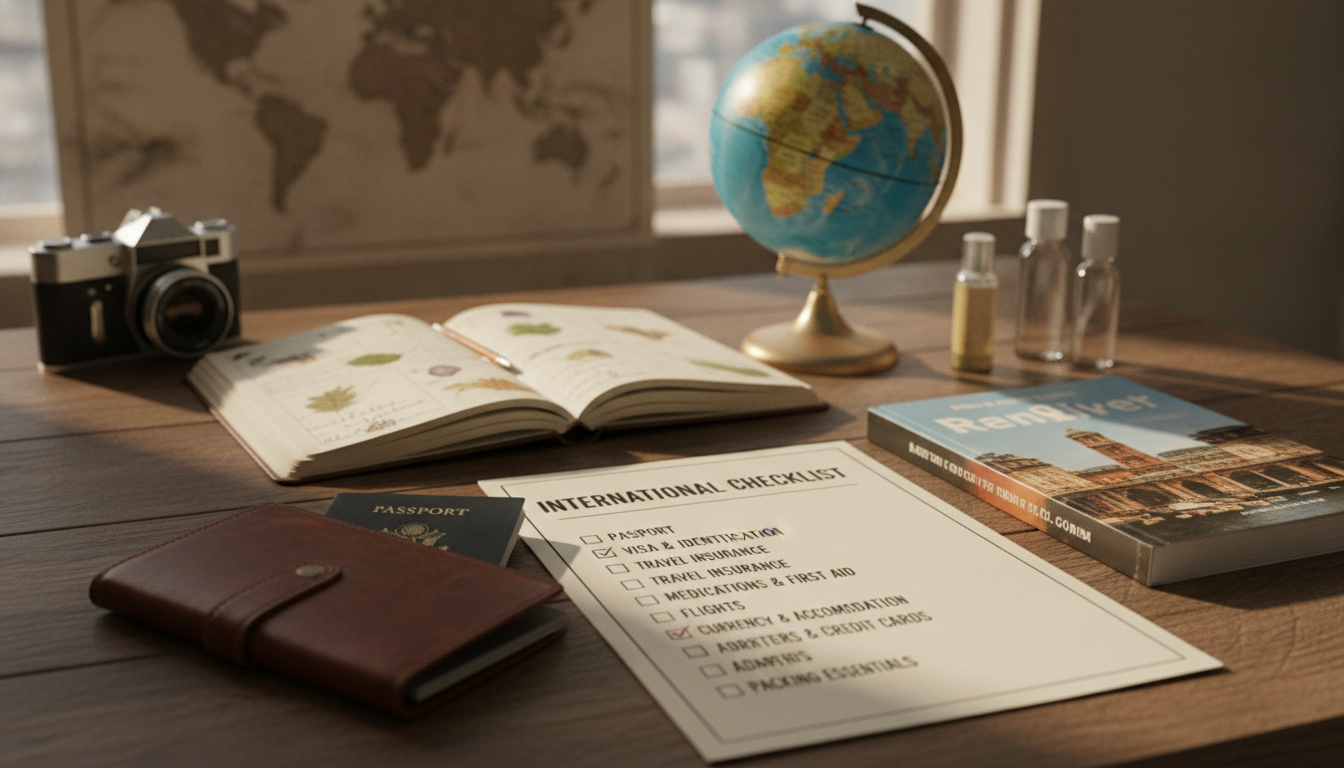
Planning a trip abroad is more than just booking flights and hotels. The Department of State suggests being cautious. A proactive planning approach is key to a safe trip. Using a detailed International travel checklist makes navigating complex requirements easier.
Being organized reduces stress and lets you enjoy your trip more. Whether you’re new to travel or experienced, handling your travel documentation early avoids last-minute issues. Also, preparing your home properly keeps it safe while you’re away.
This guide is your essential tool for a smooth 2024 trip. By following this International travel checklist, you can avoid common risks and have a stress-free journey.
Key Takeaways
- Prioritize safety by staying informed on current Department of State travel advisories.
- Organize all essential travel documentation well before your departure date.
- Complete necessary home preparation tasks to protect your property while traveling.
- Use a structured approach to manage logistics and reduce possible stress.
- Focus on proactive planning to ensure a secure and confident global experience.
Essential Documentation and Legal Requirements
Traveling around the world starts with getting your documents in order. Having your paperwork ready gives you peace of mind. It lets you enjoy your trip without worrying about legal issues.
Passport Validity and Visa Regulations
Your passport is key for traveling. Many countries require your passport to be valid for at least six months after you leave. If it’s not, you might not be able to board your flight or enter your destination.
Also, check the visa requirements for each country you plan to visit. Visa rules can change often. Always check the latest info on official government websites. This helps you move smoothly through borders.
Travel Insurance and Health Documentation
Medical emergencies can be scary and expensive when you’re far from home. Getting travel insurance is a smart move. It covers medical costs, emergency flights, and trip cancellations.
Always carry your insurance policy and health certificates with you. This way, medical help can reach you fast if needed. Being prepared is the best way to stay safe when traveling.
Digital Copies and Secure Cloud Storage
Physical documents can get lost or stolen. That’s why digital backups are a must. Use secure cloud storage to keep your passport, visa, and insurance info safe. This way, you can access your important documents from anywhere.
- Store scans of your passport photo page and entry stamps.
- Keep digital copies of your travel insurance policy and emergency contacts.
- Use multi-factor authentication to protect your secure cloud storage account.
If you lose your bag or wallet, digital files help you contact your embassy or consulate easily. Being proactive keeps you in control of your trip, no matter what happens.
Financial Preparation for Global Travel
Being financially ready is key to a stress-free trip abroad. While you check your passport validity and visa requirements, don’t forget about your money. Taking steps now can avoid problems later.
Notifying Banks and Managing Currency Exchange
Telling your bank about your travel plans is a must. Banks might think international transactions are suspicious and freeze your accounts. A travel notice keeps your card working smoothly.
Also, learn about the local currency at your destination. Even with digital payments, having some local cash is useful for quick expenses like taxis or tips.
Choosing the Right Travel Credit Cards
Picking the right travel credit cards can save you a lot. Look for cards with no foreign transaction fees to avoid extra charges. Premium cards also offer travel insurance and lounge access, making your trip better.
- Check for cards with no foreign transaction fees.
- Verify if your card offers chip-and-PIN technology for better compatibility.
- Review your credit limit to ensure it covers possible travel emergencies.
Emergency Cash Reserves and Backup Payment Methods
Having only one payment method is risky. Always carry emergency cash reserves in a safe place, like a money belt or hotel safe. This is essential for unexpected situations or lost cards.
Here are some backup plans for your money:
| Method | Primary Benefit | Best Use Case |
|---|---|---|
| Secondary Credit Card | Redundancy | Primary backup if card is lost |
| Local Currency Cash | Universal acceptance | Small vendors and emergencies |
| Prepaid Travel Card | Budget control | Limiting total spending exposure |
Diversifying your payment options keeps you safe from surprises. Preparation is the key to a worry-free trip.
Health and Wellness Essentials
Travelers know that health and wellness are key to a stress-free trip. Taking care of your medical needs lets you enjoy your journey without worries.
Personal Medication and Prescription Documentation
Check if your medications are legal in your destination country before you go. Some drugs that are okay in the U.S. might be banned elsewhere. Always carry your medications in their original packaging to avoid any issues.
Keep a copy of your prescriptions from your doctor. If you need a lot of medication, ask for a letter from your doctor. This letter helps if you need medical care abroad.
Vaccination Records and International Health Certificates
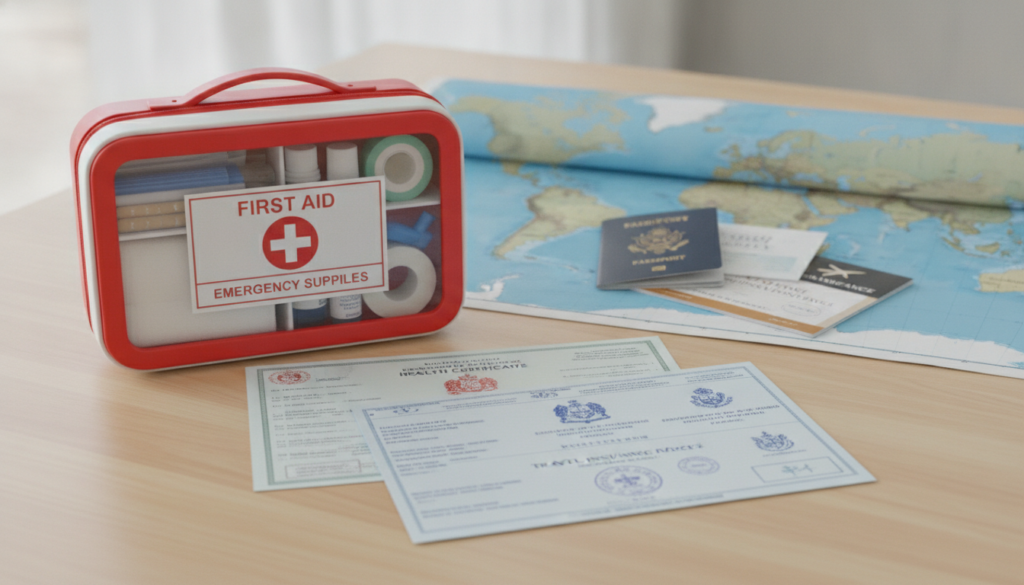
Find out what health requirements your destination has early on. Some places need specific vaccinations and International health certificates to prove you’re vaccinated. Without these, you might face delays or not be allowed to board.
See a travel clinic or your doctor to make sure your vaccines are current. Also, check if your travel insurance covers medical emergencies. Having your health records ready is a critical safety measure for travelers.
Building a Compact First Aid Kit
A first aid kit should fit your needs and trip type. You can buy kits or make your own. This way, you have what you use most.
Think about including these items in your kit:
- Adhesive bandages and sterile gauze pads
- Antiseptic wipes and antibiotic ointment
- Pain relievers and fever reducers
- Antihistamines for unexpected allergies
- Personal items like tweezers or a digital thermometer
Keep your kit in a place you can easily reach in your luggage. By preparing these health essentials, you stay healthy and ready for any small emergencies while traveling.
Optimizing Your International Travel Checklist for Electronics
Keeping your gadgets powered and protected is key for a stress-free trip. Reliable connectivity is a must for modern travel. So, your tech prep should be as detailed as your travel plans.
Universal Power Adapters and Voltage Converters
Different countries have different electrical standards. This makes carrying the right gear essential. Universal power adapters are vital for plugging into almost any outlet worldwide.
Adapters change the plug shape, but voltage levels vary too. You might need a voltage converter to protect your electronics. There are many types and prices, so pick what fits your devices.
Portable Power Banks and Charging Cables
Long sightseeing days can quickly drain your battery. This leaves you without important tools. High-capacity portable power banks keep your phone and camera going all day.
- Always pack extra-long, durable charging cables for hard-to-reach outlets.
- Make sure your power bank meets airline rules for lithium-ion batteries.
- Label your cables to avoid mix-ups with other devices.
Data Security and VPN Usage Abroad
Protecting your digital life is as important as your physical luggage. Public Wi-Fi in airports and cafes is risky. Using a VPN is a must for travelers.
“Security is not a product, but a process. When traveling, your digital hygiene determines the safety of your personal information.”
Using a VPN keeps your internet safe, no matter the network. Also, back up important files to secure cloud storage before you leave. This way, your files are safe even if your device is lost or stolen.
Strategic Packing for International Climates
Good luggage management changes how you see different global climates. Always check airline rules on carry-on and checked luggage to avoid extra fees. Strategic preparation helps you handle many flights and weather changes with ease.
Selecting Versatile Clothing Layers
The secret to traveling internationally is versatility. Choose clothes that can be layered for quick temperature changes without overstuffing your bag. Opt for lightweight, quick-drying fabrics that also resist wrinkles.
Think of a base layer for warmth, a breathable middle layer, and a waterproof outer shell. This setup keeps you comfy in humid rainforests or chilly mountain towns.
Footwear Considerations for Diverse Terrains
Your shoe choice greatly affects your daily adventures. Pick shoes that support long walks and fit various social settings. Durability is key for navigating rough streets or trails.
“The traveler who packs light and chooses the right gear finds that the world opens up in ways that heavy luggage simply cannot accommodate.”
Packing Cubes and Luggage Organization Techniques
Packing cubes are great for saving space and keeping things easy to find. They help you sort clothes and find items without unpacking everything. Use small pouches for portable power banks and cables to keep them safe and handy.
Keep your emergency cash reserves in a safe, separate spot. This way, you can quickly get to money if you need it. Here’s a quick guide for packing based on climate.
| Climate Type | Essential Layer | Footwear Style | Organization Tip |
|---|---|---|---|
| Tropical | Light Linen | Breathable Sandals | Use mesh cubes |
| Temperate | Light Jacket | Comfortable Sneakers | Roll clothing items |
| Cold/Alpine | Thermal Base | Insulated Boots | Vacuum seal bulky items |
Communication and Connectivity Abroad
Traveling abroad is easier with reliable communication tools. Keeping in touch with home helps in emergencies and sharing your adventures. Plan your connectivity before you go to avoid surprise charges.
International SIM Cards and eSIM Options
International SIM cards and eSIMs are great for staying online. They offer local data rates, which are cheaper than home plans. eSIMs are popular because they work instantly without a physical swap.
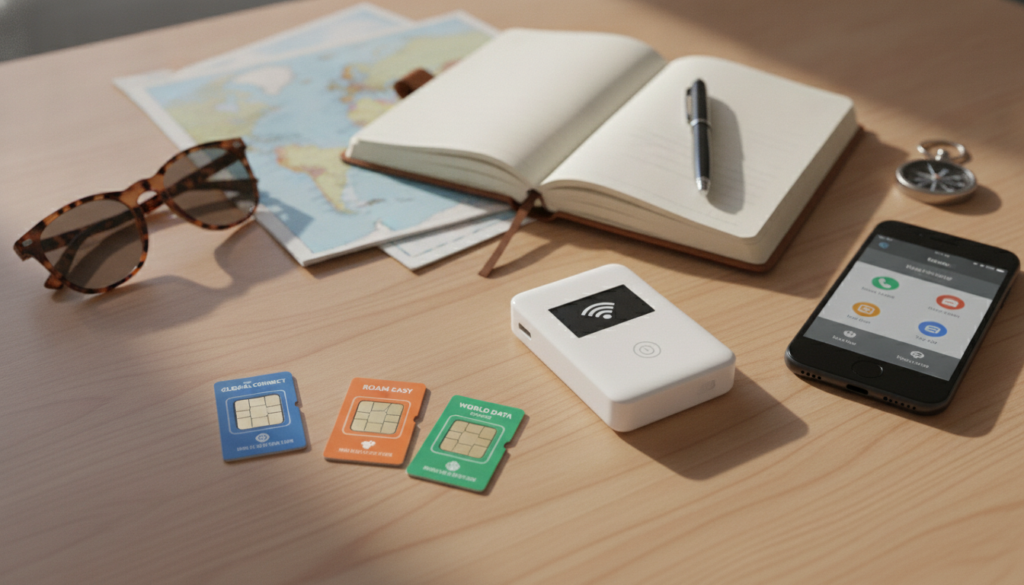
Choose a provider with seamless coverage across countries. A local number is useful for bookings and local services. Make sure your phone is unlocked for new SIM cards.
Offline Maps and Essential Travel Apps
Good navigation is key for a successful trip. Download offline maps to navigate without internet. This prevents getting lost in areas with no signal.
Apps like WhatsApp are great for staying in touch. They offer free communication via video calls and texts on Wi-Fi. This saves money on long-distance calls.
Staying Connected with Portable Wi-Fi Hotspots
Portable Wi-Fi hotspots are great for multiple devices or work needs. They create a private network for sharing. This is safer than public networks.
Hotspots keep your main phone free for calls while other devices stay online. This helps manage battery and data. With these tools, you can travel worry-free with constant internet access.
Security Measures for International Travelers
Traveling abroad means being careful with your stuff and keeping your digital info safe. By using proactive strategies, you can lower risks and travel with more confidence. It’s important to protect both your physical items and your digital data.
Anti-Theft Gear and Secure Luggage Locks
Getting anti-theft gear is a smart move to avoid crime. Use slash-proof backpacks or money belts to keep valuables close. These items help protect you in crowded places or busy transit areas.
Always lock your bags with TSA-approved locks. These locks let security check your bags without damage. Consistency in locking bags stops unauthorized access during travel.
Protecting Personal Information in Public Spaces
Travel often means using public Wi-Fi, which can be risky. Use a VPN for data security when on unsecured networks. This keeps your internet traffic safe and your personal info private.
Also, use offline maps to explore cities without needing the internet. This reduces your use of public networks and keeps you low-key. Always carry your travel credit cards in a secure, RFID-blocking wallet to avoid digital theft.
Emergency Contact Lists and Embassy Information
Being ready for the unexpected is key for travelers. Always have a physical and digital copy of your emergency contact lists. Include local emergency numbers and the nearest U.S. embassy’s address. Keep these documents separate from your passport to have a backup if needed.
| Security Category | Recommended Tool | Primary Benefit |
|---|---|---|
| Physical | TSA-Approved Locks | Prevents unauthorized bag access |
| Digital | VPN Service | Encrypts personal data on public Wi-Fi |
| Financial | RFID-Blocking Wallet | Protects against card skimming |
| Logistical | Document Copies | Facilitates quick replacement of IDs |
Pre-Departure Logistics and Home Preparation
Getting ready for your trip starts with home preparation and planning. Organizing your life before you leave makes your journey worry-free. You’ll also make your return as easy as your departure.
Securing Your Home Before Departure
Keeping your home safe is key for any traveler. Do a final check to make sure all doors and windows are locked. If you have a smart home, make sure your cameras and sensors are working and linked to your phone.
Ask a trusted neighbor to watch your place while you’re away. Setting some lights on timers can also make it look like someone’s home. These steps help keep unwanted visitors away.
Managing Mail and Subscription Services
Too much mail can mean your home is empty. Contact the USPS to hold your mail. It’s easy to do online and keeps your mail safe until you get back.
Also, stop any subscriptions that send stuff to your door. This stops clutter and keeps your porch clear. Here’s a quick checklist for your home:
- Pause newspaper and magazine deliveries.
- Adjust your thermostat to save energy.
- Unplug things you don’t need to use power.
- Empty trash bins to avoid smells or pests.
Final Itinerary Review and Transportation Arrangements
Before you go to the airport, check your travel papers. Have your itinerary and important numbers in one place. This makes checking in easier.
Use packing cubes to keep your carry-on organized. Make sure your travel documents like your passport and international health certificates are in a safe spot. Check that your international SIM cards and anti-theft gear are packed.
Also, book your ride to the airport early. Whether it’s a ride-share or a private shuttle, knowing when it will arrive helps avoid stress. Always have your emergency contact lists updated and with you.
Conclusion
Successful trips start with the small details before you leave. A structured International travel checklist helps you focus on the fun, not the stress of forgetting things.
Travel insurance is like a safety net for the unexpected. It keeps your money and well-being safe while you’re away.
Getting your home ready for your trip is key. It makes sure your place is safe while you’re off exploring. This way, you can come back to a calm home.
Use these tips to make your own travel plan. Share your travel advice or get help from our team for your next trip.



2 Comments on “Your ultimate International travel checklist for 2024”