
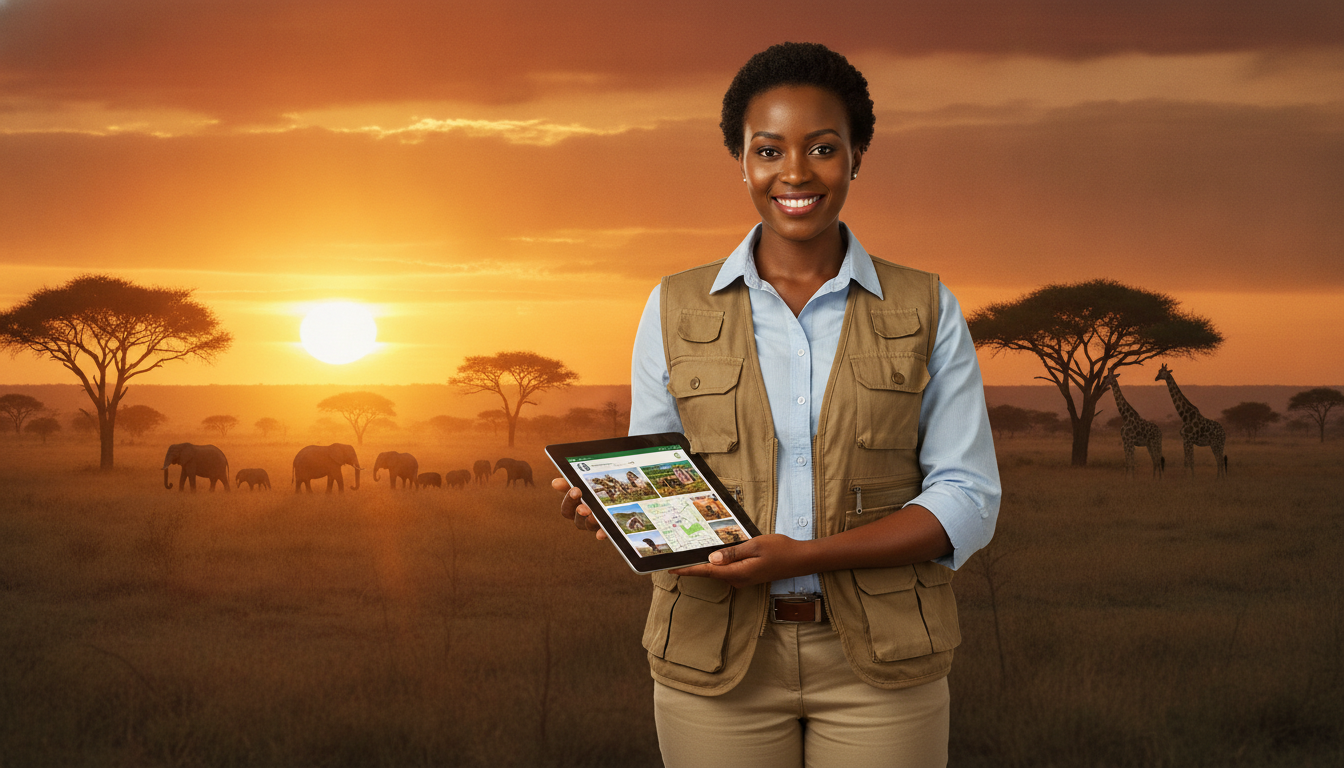
The continent spans over 11 million square miles, with lush rainforests and arid deserts. Planning across this vast landscape is rarely simple. Many visitors see the region as one destination, yet it offers unique climates and cultural experiences.
Navigating these complexities requires expert guidance to make your trip seamless. An experienced africa safari travel agent provides local knowledge to match your interests with the right region and season. With over 25 years of firsthand experience across 15 countries, we help you avoid common pitfalls.
Working with a dedicated African safari travel agent makes planning enjoyable instead of overwhelming. We manage logistics, timing, and responsible choices, so you can focus on the adventure ahead. Whether you seek luxury lodges or remote wilderness, professional support helps make your dream a reality.
Key Takeaways
- Professional planning simplifies the complexity of diverse regional ecosystems.
- Over 25 years of experience provides essential, firsthand destination insights.
- Customized itineraries ensure your trip aligns with your specific travel style.
- Expert guidance helps manage logistics, timing, and budget effectively.
- Responsible planning supports sustainable tourism and local communities.
Why an Africa Safari Travel Agent Can Transform Your Trip
Turning an African wilderness dream into reality takes more than booking a flight and lodge. Independent research can be enjoyable, but multi-country travel creates complex logistics. Professional safari travel planning connects your goals with the demands of remote travel.
Turning a Big, Complicated Journey Into a Clear Plan
A professional africa safari travel agent turns broad ideas into a practical itinerary. They manage bush flights, ground transfers, and timing for reaching remote camps. This coordination helps your journey flow smoothly instead of feeling like disconnected bookings.
Without expert guidance, travelers may miss connections or choose poor times for wildlife viewing. An agent provides the structural backbone of your trip, tracks transitions, and secures permits early.
Matching Your Travel Style With the Right Safari Experience
Every traveler has a unique vision for an adventure. Whether you want exclusive luxury, high-density wildlife viewing, or a family-friendly pace, an expert narrows your choices. They use detailed knowledge of lodges and reserves to match lodging with your preferences.
Generic online booking platforms rarely provide this level of personal service. By learning your goals, an agent can suggest hidden gems with your desired atmosphere.
When Expert Planning Is More Valuable Than Booking Alone
Some trips are simple, while others need careful coordination. When planning across multiple borders, the value of an africa safari travel agent becomes clear. They provide a safety net through local partnerships and 24/7 support.
| Feature | DIY Booking | Agent-Led Planning |
|---|---|---|
| Logistics Coordination | Manual and Risky | Seamless and Managed |
| Local Expertise | Limited to Reviews | Firsthand Knowledge |
| Support Network | None | 1,000+ Trusted Partners |
| Problem Solving | Traveler Responsibility | Professional Oversight |
Ultimately, professional safari travel planning brings peace of mind. You can focus on the African bush while an experienced professional handles complex details. They can anticipate and solve potential challenges before they arise.
How an Africa Safari Travel Agent Builds Your Ideal Itinerary
Designing a custom African safari blends your dreams with the realities of the wild. Because Africa is vast, one plan rarely suits every traveler. A professional planner works with you so each detail matches your expectations.
Starting With Your Priorities, Budget, and Travel Dates
Effective safari travel planning starts with your preferences, budget, and travel goals. Your agent asks focused questions to learn what matters most during your journey.
- What is your total budget for the entire experience?
- Are you looking for high-octane adventure or quiet, luxury relaxation?
- Which specific wildlife species are at the top of your “must-see” list?
- Do you prefer intimate, boutique camps or larger, full-service lodges?
Balancing Wildlife, Culture, Relaxation, and Adventure
A well-rounded Africa safari itinerary needs a careful balance. Over-scheduling is easy, but the best trips leave room for unexpected moments in the bush. Your planner can combine cultural visits with local communities and game drives.
For a balanced pace, consider this typical structure for a 7-day journey:
| Activity Type | Focus | Time Allocation |
|---|---|---|
| Wildlife | Game Drives | 60% |
| Culture | Community Visits | 20% |
| Relaxation | Lodge Downtime | 20% |
Creating a Realistic Route Across Multiple African Destinations
Linking several parks requires careful planning to prevent exhaustion. For example, a classic East African route may connect the Masai Mara, Lake Manyara, and the Ngorongoro Crater. You can explore a 7-day Kenya safari itinerary for an unforgettable adventure to see how these regions flow together naturally.
Why Fewer Transfers Often Lead to a Better Safari
Travelers often try to visit too many locations in a short time. Reducing transfer fatigue helps create a better safari experience. Spending more nights in fewer places deepens immersion and cuts transit time.
How Seasonal Timing Shapes the Itinerary
Your travel dates shape the rhythm of your trip. Seasonal shifts affect road conditions, wildlife migration patterns, and lodge availability. A professional agent optimizes your Africa safari itinerary for the right place and time, helping deliver the best sightings.
Choosing the Best African Safari Destination for Your Travel Goals
Every traveler imagines a different safari, and Africa offers landscapes for many dreams. Finding the best African safari destinations means balancing your interests, budget, and preferred adventure level. Choose a country that matches your wildlife goals, travel style, and comfort needs.
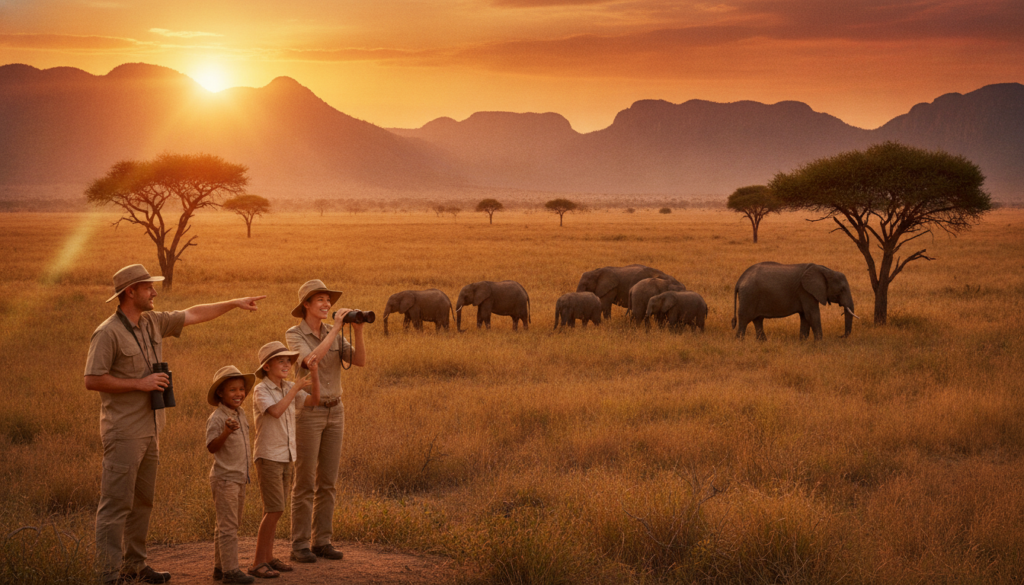
Kenya for the Maasai Mara and Classic Big Five Viewing
A Kenya safari suits travelers seeking a classic African experience. Maasai Mara National Reserve offers world-class Big Five sightings: lion, leopard, elephant, buffalo, and rhino. Travelers can pair game drives with rich cultural interactions with the Maasai people.
Tanzania for the Serengeti, Ngorongoro Crater, and Migration
If you dream of the Great Migration, a Tanzania safari offers an unmatched spectacle. The Serengeti’s vast plains and Ngorongoro Crater create a dramatic wildlife setting. This region suits travelers seeking huge herds and breathtaking, varied scenery.
South Africa for Accessible Safaris and Diverse Experiences
Travelers who value ease and variety may enjoy a South Africa safari. Strong infrastructure makes it easy to pair a luxury game reserve with Cape Town or the Winelands. It suits families and first-time visitors seeking wildlife, city culture, and coastal beauty.
Botswana for Exclusive Lodges and Water-Based Wildlife Viewing
A Botswana safari highlights exclusive lodges and unusual water-based wildlife viewing. Visitors can explore the Okavango Delta by traditional canoe, rather than standard land drives. It suits travelers seeking remote wilderness and a deeper connection with nature.
Namibia for Dramatic Landscapes and Self-Drive Possibilities
Travelers seeking adventure and striking photos may find a Namibia safari rewarding. Namibia is known for towering red dunes, stark deserts, and vast Etosha National Park. It is one of the few places where independent travelers can freely self-drive through spectacular terrain.
Uganda and Rwanda for Gorilla Trekking and Forest Adventures
For a life-changing experience, Uganda gorilla trekking or Rwanda gorilla trekking offers rare mountain gorilla encounters. These treks are demanding, but they create an intimate bond with nature. Visit our guide on the best Africa safari destinations to refine your choice for your travel style.
- Kenya: Best for classic savannah wildlife and cultural immersion.
- Tanzania: Ideal for the Great Migration and volcanic crater landscapes.
- South Africa: Perfect for families and those wanting diverse, accessible travel.
- Botswana: Best for exclusive, water-based wildlife viewing.
- Namibia: Recommended for photographers and self-drive enthusiasts.
- Uganda/Rwanda: Essential for unique forest-based primate encounters.
What to Look for in an Africa Safari Travel Agent
Finding a reliable Africa safari travel agent involves checking real-world experience and safety protocols. You need a partner who understands terrain nuances and remote travel logistics. A professional approach protects your investment and helps meet expectations.
Firsthand Destination Knowledge and Local Partnerships
A credible expert should show current, deep knowledge of your chosen regions. They should maintain strong local partnerships, often working with hundreds of vetted suppliers. This creates smooth travel between camps and parks, while True expertise helps them handle local challenges general agencies may miss.
Transparent Pricing With Clear Inclusions and Exclusions
Always ask for a detailed breakdown of your costs. A professional African safari travel agent will clearly list included costs, such as park fees, internal flights, and conservation levies. Avoid vague quotes that hide extra costs; transparency shows a trustworthy provider.
Responsive Communication Before and During the Journey
Communication is the backbone of a successful trip. Your agent should be available during planning and offer reliable support while you are on the ground. If an issue arises, knowing your agent is reachable for immediate help gives you essential peace of mind.
Strong Safety Standards and Responsible Supplier Selection
Safety must be the top priority for every reputable agency. They should work only with suppliers that follow strict environmental and safety rules. This includes checking that vehicles are well maintained and staff follow established wildlife interaction guidelines.
Questions to Ask About Guides, Drivers, and Emergency Support
To judge the quality of your support, ask specific questions about the people managing your daily experience. Consider these points:
- Are the guides and drivers local experts with extensive field experience?
- What specific emergency on-call assistance is available if a flight is delayed or a medical issue occurs?
- How does the agency handle unexpected changes to your itinerary?
How to Verify Reviews, Credentials, and Recent Experience
Do not rely only on marketing language found on a website. Look for verifiable evidence of their work, such as recent testimonials from travelers who visited the same destinations. Check professional credentials and ask for references to confirm a proven track record handling complex, multi-destination journeys.
Safari Styles and Lodging Options for Every Kind of Traveler
Creating a custom African safari means matching your interests with today’s wide range of lodging choices. You can choose the raw excitement of the bush or the comfort of a refined retreat. The right style should match your comfort needs and travel goals.
Luxury Tented Camps, Private Reserves, and Boutique Lodges
A luxury safari focuses on privacy and close wildlife encounters. Private reserves let guests take off-road drives and join night game drives, which national parks often restrict. These areas feel more personal and often include boutique lodges that blend into the landscape.
“The true luxury of a safari lies not just in the thread count of the linens, but in the silence of the wilderness and the expertise of the guide who brings it to life.”
Family-Friendly Safaris With Comfortable Pacing and Educational Activities
Planning a family safari requires careful planning and engaging activities. The best plans limit travel between locations and use lodges with programs for younger guests. Activities may include nature walks, tracking lessons, and cultural visits that create meaningful learning.
Thoughtful pacing helps prevent fatigue when children travel. Family suites or connected tents give parents peace of mind while keeping everyone together. A clear plan keeps the group excited and comfortable throughout the adventure.
Honeymoon Safaris With Privacy and Memorable Experiences
A honeymoon safari offers privacy and personal service. Many lodges serve couples with private decks, candlelit dinners under the stars, and exclusive game drives. These private moments can deepen your connection with your partner and nature.
Small-Group Tours Versus Private Safaris
Your choice between a small-group departure and private journey depends on your social style and need for flexibility. Small groups offer shared discovery and lower costs, while private safaris give you full control of each day. The table below shows key differences and can help you choose the best format.
| Feature | Small-Group Tour | Private Safari |
|---|---|---|
| Flexibility | Fixed itinerary | Fully customizable |
| Cost | More affordable | Higher investment |
| Privacy | Shared with others | Exclusive to your party |
| Pacing | Group-determined | Tailored to your speed |
Budget-Conscious Choices That Do Not Sacrifice the Core Experience
Many people wrongly believe that a lower-cost trip brings a poor experience. You can enjoy a high-quality adventure by focusing on expert guides and prime wildlife areas instead of extra amenities. Mobile camps and well-placed mid-range lodges can offer the same access to the Big Five as pricier properties.
Your trip’s value depends on wildlife encounters and your local team’s expertise. Working with a professional agent can help you find properties offering exceptional value without sacrificing safety or comfort. Smart planning keeps your dream journey accessible and deeply rewarding.
Understanding Safari Costs, Value, and What Your Budget Includes
Planning an African adventure takes more than comparing nightly rates. When reviewing the total safari cost, consider your travel goals and the full experience.
Major Factors That Influence the Price of an African Safari
Several factors shape your journey’s final price. Exclusivity, destination remoteness, and guide quality affect cost. A luxury safari costs more for private concessions, bush flights to remote airstrips, and high-end amenities offering maximum comfort outdoors.
Peak Season, Shoulder Season, and Low-Season Tradeoffs
Visit timing is a powerful way to manage your budget. Peak season brings dramatic wildlife viewing, but high demand also brings premium prices. Shoulder or low season may offer exceptional value, with lower lodge rates and incredible sightings.
What Usually Comes With a Safari Package
Comprehensive packages simplify travel by combining essential services. Review these inclusions when researching the tanzania safari cost or regional pricing.
Park Fees, Internal Flights, Meals, and Guided Activities
An all-inclusive package usually covers lodging, meals, and daily game drives with professional guides. Many operators include bush flights between parks, which save travel time. Packages often prepay park and conservation fees, so arrival brings no surprise charges.
Common Additional Costs Travelers Should Plan For
Even with bundled services, set aside money for personal expenses. These may include international flights, travel insurance, visa fees, and gratuities for lodge staff and guides. Premium drinks, spa treatments, and activities like hot air balloon safaris often cost extra.
How a Travel Agent Helps Prevent Expensive Planning Mistakes
An expert can help you avoid costly mistakes that disrupt your trip. An agent checks your itinerary, realistic flight connections, and camp choices against your expectations. Their industry knowledge helps you use your budget wisely and gain better value from your luxury safari investment.
Planning the Best Time to Go on Safari
Choosing the best time to go on safari means balancing your interests with Africa’s natural rhythms. Each region has different weather, so no single month works perfectly for every traveler. Your ideal dates depend on wildlife numbers, green landscapes, or budget goals.
Dry-Season Wildlife Viewing in Kenya, Tanzania, and Southern Africa
In dry months, plants thin out and water becomes scarce, bringing animals together in predictable areas. This makes a Kenya safari or Tanzania safari rewarding because open plains make predators and prey easier to spot. A Botswana safari offers excellent visibility, especially near the Okavango Delta and Chobe River.
Following the Great Migration Without Chasing Exact Dates
The Great Migration moves all year; it is not a fixed event. Many visitors choose July to October, but rainfall and grazing patterns can change these dates. Staying flexible and valuing the ecosystem creates a more rewarding and authentic journey.
Green Season Benefits for Photography, Fewer Crowds, and Value
The “Green Season” suits travelers who prefer dramatic scenery and quiet parks. Rain turns the landscape lush and vibrant, creating ideal conditions for wildlife photography. These months often bring fewer crowds, lower prices, newborn animals, and many migratory birds.
Weather Considerations for Gorilla Trekking and Coastal Extensions
Planning Uganda gorilla trekking or Rwanda gorilla trekking requires attention to rainfall because forest trails become muddy. Trekking works year-round, but drier months usually make hiking more comfortable. For a coastal extension, check Indian Ocean monsoon patterns, which can affect beach access and water clarity.
Why Regional Climate Differences Matter on a Multi-Country Trip
Multi-country itineraries require careful planning because East Africa and Southern Africa often have opposite weather patterns. One region may have a dry, sunny day while another experiences rain. An expert can help manage these differences, keeping your trip comfortable from start to finish.
| Season | Wildlife Visibility | Crowd Levels | Best For |
|---|---|---|---|
| Dry Season | Excellent | High | Classic Game Viewing |
| Green Season | Moderate | Low | Photography & Value |
| Shoulder Season | Good | Moderate | Balanced Experience |
Building a Comfortable and Well-Paced Africa Safari Itinerary
A memorable safari needs a well-paced plan that balances adventure with time to reflect. When designing your Africa safari itinerary, visiting every famous park may seem tempting. Yet, quality matters more than quantity in the African bush.
Combining Game Drives With Walking, Boating, and Cultural Activities
Game drives form the heart of many trips, but they are not the only way to enjoy the landscape. Walking safaris reveal small details, such as tracks and plants, that vehicles may hide. Boating trips show river wildlife from a new angle, while cultural visits connect you with local communities.
These activities keep your schedule lively and reduce fatigue after long days in a jeep. Whether planning a family safari or romantic getaway, vary each day to keep everyone interested and energized.
Allowing Time for Rest, Delays, and Unexpected Wildlife Moments
Build “white space” into your schedule. Remote travel often brings changing weather or small delays. Rushing between camps can turn a dream trip into a stressful chore.
“The best wildlife encounters often happen when you are not looking for them, but rather when you are simply present in the moment.”
Downtime lets you linger at a sighting or enjoy the view from your lodge deck. This plan matters on a honeymoon safari, when relaxation matters as much as the thrill of the hunt.
Adding Cape Town, Victoria Falls, Zanzibar, or the Kenyan Coast
Many travelers extend their bush experience with a regional highlight. For instance, a South Africa safari in the Kruger area pairs well with a visit to lively Cape Town. This pairing offers world-class wildlife viewing and urban exploration.
If exploring East Africa, consider adding a few days on the beaches of Zanzibar or the Kenyan coast to unwind. These extensions offer a fresh setting for relaxation and time to process your incredible memories.
Planning Internal Flights and Transfers Without Overloading the Trip
Logistics can shape your travel experience. Light aircraft transfers often move travelers efficiently between remote camps, but they need careful coordination. A well-planned South Africa safari or broader regional tour should limit long travel days and keep you in nature, not transit.
An expert can help you manage these connections smoothly. For guidance on structuring your first trip, review the best African safari for first-timers and keep your logistics seamless.
Practical Preparation for Your African Safari
A successful journey into Africa’s wilderness starts well before your flight. Careful safari travel planning lets you focus on wildlife and landscapes, not travel problems. Check current entry rules with government authorities because regulations can change often.
Passport, Visa, and Entry Requirements for U.S. Travelers
U.S. citizens need passports valid for at least six months after their planned departure date. Most African countries also require several blank visa pages for entry stamps. Depending on your destination, apply for an e-visa online or get a visa at the airport.
Vaccinations, Malaria Prevention, and Travel Insurance
See a travel medicine specialist at least two months before departure about needed vaccines. Malaria prevention matters in many safari regions, so ask your doctor about preventive medicine.
Comprehensive safari travel insurance is also essential. Your policy should cover medical emergencies, emergency medical evacuation, trip cancellations, and lost baggage. This coverage matters because many safari camps are far from major towns.
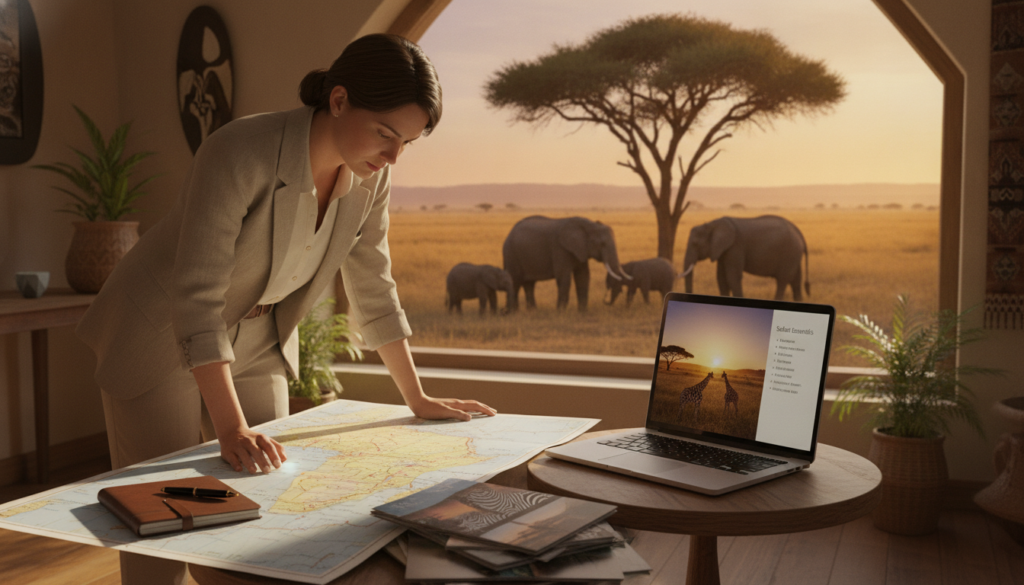
What to Pack for Game Drives, Walking Safaris, and Cool Evenings
Packing for a safari means balancing comfort with usefulness. Since bush flights often have strict weight limits, choose light, breathable clothing in khaki, tan, or olive. Avoid dark blue or black because these colors can attract tsetse flies.
Clothing, Footwear, Binoculars, Cameras, and Essential Documents
Layering helps you stay comfortable during early morning game drives and cool evenings. Bring a warm fleece or jacket, sturdy walking shoes, and a wide-brimmed hat for sun protection. Pack quality binoculars, a camera with extra memory cards, and paper travel documents in a waterproof bag.
Money, Connectivity, Tipping, and Staying in Touch
Some lodges offer Wi-Fi, but remote areas often have limited connectivity. Tell your family you may be offline for long periods. Carry small U.S. dollar bills for tipping guides and staff, a common industry practice.
For broader regional safety, read these travel tips for secure journeys before navigating diverse environments.
How to Prepare for Long Flights and Remote Camp Locations
Long flights to Africa can be tiring, so drink water and move often. After arrival, enjoy the slower pace of remote camp life. These camps often use solar power and limited water, so conserve resources to support sustainable tourism.
| Category | Action Item | Priority |
|---|---|---|
| Documentation | Check passport validity and visas | High |
| Health | Vaccines and malaria medication | High |
| Protection | Purchase safari travel insurance | High |
| Gear | Binoculars and camera equipment | Medium |
| Finance | Cash for tips and local currency | Medium |
Responsible Safari Travel That Supports People and Wildlife
Ethical travel turns your vacation into a powerful tool for wildlife conservation and community support. responsible safari travel helps your journey create real value for each destination.
Choosing Conservation-Focused Lodges and Tour Operators
Choose operators that offer full transparency about where your tourism money goes. Select lodges that invest in habitat restoration and anti-poaching work. These groups often report how they manage water, energy, and waste to reduce their environmental footprint.
Consider models like Positive Impact Safaris, which include direct donations to local ecosystems in their prices. Choosing partners that protect the land helps preserve Africa’s iconic wilderness.
Respecting Wildlife, Local Communities, and Photography Guidelines
Ethical wildlife viewing requires patience and a safe distance from animals. Follow your professional tracker’s guidance to observe wildlife without causing stress. Photography etiquette matters too, so avoid drones and flash photography around sensitive species.
Ask permission before taking portraits, and learn about local customs. Engaging with residents in a thoughtful and humble manner builds respect and a more authentic cultural connection.
Supporting Community-Owned Tourism and Local Guides
Your travel choices affect the economic stability of the regions you explore. For responsible safari travel, choose stays that employ local staff and support community projects, such as schools or health clinics. Local guides share valuable knowledge about the landscape and improve your experience.
Reducing Waste and Making More Thoughtful Travel Choices
Small, careful choices can reduce your safari’s impact. Carry a reusable water bottle, avoid single-use plastics, and pack biodegradable toiletries to protect local water sources. These simple habits help protect national parks and private reserves.
How Ethical Practices Improve the Safari Experience for Everyone
This approach to responsible safari travel creates a more rewarding and safer adventure. Ethical choices make it more likely that you will see natural, undisturbed animal interactions. Supporting local communities helps tourism remain sustainable and welcome for future travelers.
Conclusion
Planning a trip to Africa requires careful thought and attention to your personal priorities. An experienced africa safari travel agent can guide you through this process. They connect your dreams with the practical demands of remote wilderness areas.
The best African safari destinations offer life-changing encounters when you choose the right season and pace. You do not need the longest itinerary to find value. Meaningful experiences often grow from realistic schedules that build a genuine connection with nature.
Our history of supporting more than 200,000 travelers shows the value of long-term expertise. Many guests return to explore new regions because their first trips rested on solid, transparent foundations. This support helps protect your investment throughout the entire experience.
Prioritize responsible safari travel so your visit benefits local communities and wildlife. Compare specialists carefully, and ask detailed questions about their partnerships. Thorough safari travel planning gives you confidence to enjoy every moment of your adventure.