
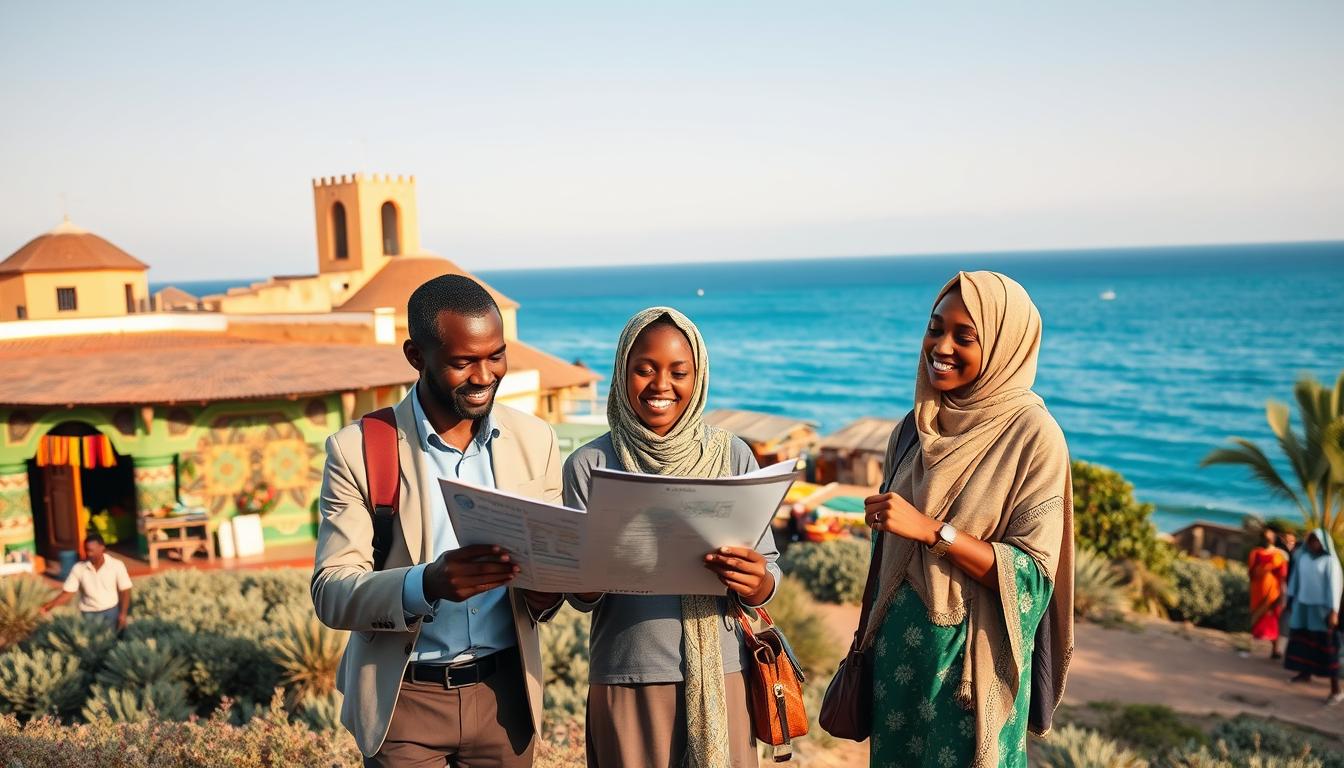
Exploring the Horn of Africa needs a deep understanding of the current political situation. Many travelers look for unique experiences. But, this region has big challenges that need careful planning. Prioritizing security is the most important step for anyone thinking of visiting.
It’s key to understand the local environment well. By looking at risks and using high-standard security, you can make smart choices. Professional guidance is a must for those exploring these sensitive areas.
This guide gives a detailed look at the complexities of traveling in this region. Learning How to Visit Somalia Safely is more than just planning. It’s about staying alert and knowing Somalia travel safety standards. This way, your trip can be as safe as possible, even in tough times.
Key Takeaways
- Check the current political situation before planning your trip.
- Work with professional security experts who know high-risk areas.
- Always tell your embassy where you’re going.
- Keep a low profile and avoid big gatherings or protests.
- Make sure you have travel insurance that covers risky zones.
Understanding the Current Security Landscape in Somalia
Somalia is a challenging place for international travelers because of its changing security situation. To stay safe, you need to understand the local environment well. The country’s security varies greatly from one area to another.
Regional Variations in Risk Levels
The security situation in Somalia is not the same everywhere. Some places seem safe, while others are in conflict or have high crime rates. It’s important to know that Somalia security risks can change quickly, making a safe area dangerous.
Big cities and rural areas have different safety rules. Before you travel, research the areas you plan to visit. Local knowledge is the most effective tool for finding safe places and avoiding dangerous ones.
The Role of Government Travel Advisories
Official travel advisories are key for assessing risks. The U.S. government strongly advises against traveling to Somalia. This warning is due to terrorism, civil unrest, and kidnapping threats in Somalia.
“The security situation in Somalia is extremely volatile, and the capacity of the U.S. government to provide emergency services to citizens in these regions is severely limited.”
These advisories are serious and reflect the danger of armed groups. Travelers should take these warnings seriously. Prioritizing personal safety means respecting these boundaries and understanding the risks to foreigners.
Essential Pre-Trip Planning and Documentation
Traveling to complex places starts long before you fly. It begins with careful planning. Getting your paperwork in order is key to staying safe in Somalia. It helps avoid problems at border crossings.
Securing Necessary Visas and Permits
First, learn about the Somalia visa requirements. Most visitors need to apply online for an e-visa. Use only official government sites to avoid data risks.
Keep both digital and physical copies of your permits safe. Also, get comprehensive travel insurance for Somalia. Make sure it covers high-risk areas, as regular plans don’t.
Registering with the United States Embassy
After setting your travel dates, register with the U.S. Embassy. Use the Smart Traveler Enrollment Program (STEP) for this. It keeps the embassy informed of your whereabouts.
Before leaving, check the latest Somalia travel advisory. This, along with good travel insurance for Somalia, boosts your confidence. Proper Somalia travel documentation is your main tool for the journey.
Choosing Reliable Local Fixers and Security Details
Keeping safe in Somalia starts with picking trusted local experts. They know the area well. Getting professional security services is a must for staying safe in Somalia’s complex security landscape.
Vetting Private Security Providers
Choosing a security firm needs a deep background check. Reliable providers should show they can handle risky places. They focus on keeping you safe.
Check their credentials and ask for references from other clients. A good team will check your route and talk to local authorities. This helps avoid kidnapping threats in Somalia.
The Importance of Local Knowledge and Cultural Liaisons
Cultural liaisons are key to connecting with locals. They help you avoid mistakes that could get you into trouble. They know the local customs and events.
With these local experts, you get valuable insights on the area. This knowledge helps you stay under the radar. It lowers the risk of violence or other threats.
How to Visit Somalia Safely Through Strategic Logistics
Strategic logistics are key to a safe trip through Somalia’s varied regions. The infrastructure is weak, so careful planning is essential. This helps avoid risks from unpredictable roads. Good Somalia travel logistics keep you safe and in control.
Selecting Secure Transportation Methods
Choosing the right vehicle is critical for your safety. Stay away from public transport or regular taxis. They don’t offer enough protection in risky areas.
Use armored vehicles or vetted private convoys instead. These are safer, thanks to local security checks. Make sure your driver knows the route well and has experience in sensitive areas. This reduces your risk during travel.
Navigating Airports and Checkpoints
Airports and checkpoints can be very risky. Keep a low profile and move quickly. Avoid areas where many people gather, as they’re often unstable.
At checkpoints, let your local fixer or security team handle officials. They know how to deal with these situations. Follow these tips to stay safe while moving around. Always have your documents ready for quick checks.
Selecting Accommodations with High Security Standards
Finding safe places to stay is key to keeping you safe. In risky places, your hotel is your main safe spot. Choosing Somalia accommodation security means you have a safe place to go after a long day.
Identifying Hardened Facilities
Look for hotels made for dangerous areas. These hardened facilities have strong walls and windows to keep you safe. They should also be far from busy roads to avoid danger.
Choose hotels that are not too flashy but are very secure. A good hotel has a team of security experts always watching. This is very important for keeping you safe in Somalia.
Evaluating Perimeter Security and Access Control
The area around your hotel is your first defense. Check if there are strong walls and barriers to keep vehicles out. Make sure only trusted people can get in.
It’s important to have strict rules for who can enter. Make sure the hotel uses metal detectors and checks bags and cars. These steps help keep you safe while you’re there.
| Security Feature | Standard Hotel | Hardened Facility |
|---|---|---|
| Perimeter Walls | Decorative/Low | Reinforced/Blast-Rated |
| Access Control | Open Lobby | Multi-Layered Checkpoints |
| Security Staff | Basic Concierge | Armed/Professional Detail |
| Emergency Systems | Standard Alarms | Redundant Comms/Safe Rooms |
Maintaining a Low Profile and Situational Awareness
Keeping a low profile is key to staying safe in Somalia. By being less visible, you lower the chance of being targeted. These safe travel tips Somalia help you feel more secure as you move around.
Cultural Etiquette and Dress Codes
Respecting local customs is more than just being polite; it’s essential for your safety. Wear conservative dress codes to avoid unwanted attention. Men should wear long pants and shirts that cover their shoulders. Women should dress modestly, often in loose clothes and head coverings, to show respect.
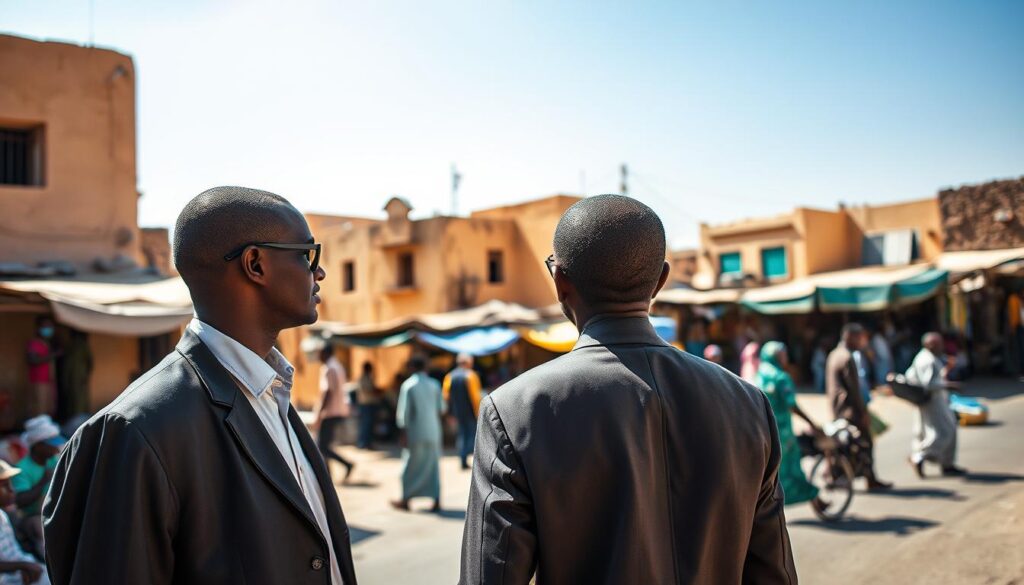
It’s also important to know how to interact with people. Always ask before taking photos of people or places. Showing cultural humility helps you connect with locals, which is very helpful.
Avoiding High-Risk Areas and Public Gatherings
Being aware of your surroundings is critical in public places. Stay alert in crowded areas, as they can be risky. Avoid political rallies and demonstrations.
Plan your route to avoid dangerous areas. If you sense trouble, leave quickly. Stay updated with your security team to make proactive decisions and stay safe.
Communication Protocols and Emergency Connectivity
Having strong communication channels is key for anyone traveling to Somalia. When local networks are down or missing, having a backup plan is a must. It’s not just a nice-to-have; it’s a critical safety need. Clear communication protocols help you stay in touch, even when networks fail.
Reliable Satellite and Local Communication Tools
Cell service often fails in remote spots, making satellite tech a must. Tools like the Garmin inReach or Thuraya satellite phones offer global reach. They let you send messages and track your location, key for staying in touch with your team.
Also, a local SIM card is handy for quick talks in cities. But, don’t count on it alone. Always have a multi-layered approach ready, just in case.
| Device Type | Primary Use | Reliability | Battery Life |
|---|---|---|---|
| Satellite Phone | Voice Calls | High | Moderate |
| Satellite Messenger | Text/GPS | Very High | Excellent |
| Local SIM Card | Local Logistics | Low | Short |
Establishing Check-in Procedures with Home Contacts
Having the right tech is only good if you have a solid plan. Set up a strict check-in schedule with someone you trust. They should know your plans and when to expect updates from you.
- Make sure to check in at the same times every day.
- Have a plan for when you miss a check-in.
- Share your GPS location with your emergency contact.
- Keep a list of emergency numbers, like embassy contacts.
Following these communication rules creates a safety net for your trip. Consistency is key. Even if you feel safe, never skip a check-in. This habit keeps your support team ready to help if needed.
Managing Health and Medical Risks in Remote Regions
Traveling to remote areas means you must take care of your health. Somalia medical services are often not available in rural areas. So, it’s important to be ready for any health issues before you go.
Required Vaccinations and Medical Kits
See a travel medicine expert to check your vaccinations. You might need shots for diseases like yellow fever and typhoid. Being prepared is key to a safe trip.
Carry a medical kit that fits your needs. It should have basic first aid, your medicines, and antibiotics. Make sure everything is labeled and in a strong, waterproof bag.
- Sterile bandages and antiseptic wipes for minor wounds.
- Personal prescription medications with original packaging.
- Rehydration salts to combat heat-related exhaustion.
- High-quality water purification tablets or portable filters.
Accessing Emergency Evacuation Services
Local clinics can’t handle serious injuries or illnesses. You need travel insurance for Somalia to be safe. Your policy must cover emergency flights to better hospitals.
Make sure your insurance works in risky places. Keep your policy and emergency contact number with you always. Good travel insurance for Somalia is your main safety plan when local help isn’t enough.
| Preparedness Level | Medical Kit Contents | Evacuation Coverage |
|---|---|---|
| Basic | Bandages, Painkillers | Standard Travel Policy |
| Advanced | Trauma Gear, Antibiotics | Dedicated Medevac Plan |
| Professional | Full Field Hospital Kit | Private Security/Medevac |
Invest in good Somalia medical services coverage and a full medical kit. This way, you lower your health risks. Always tell someone back home about your health as part of your safety plan.
Handling Financial Transactions and Currency Safely
Financial security is key for a successful trip, even in places with few banks. Keeping your money safe means being careful with cash and online payments. By being cautious, you lower the chance of theft or scams.
Managing Cash and Digital Payments
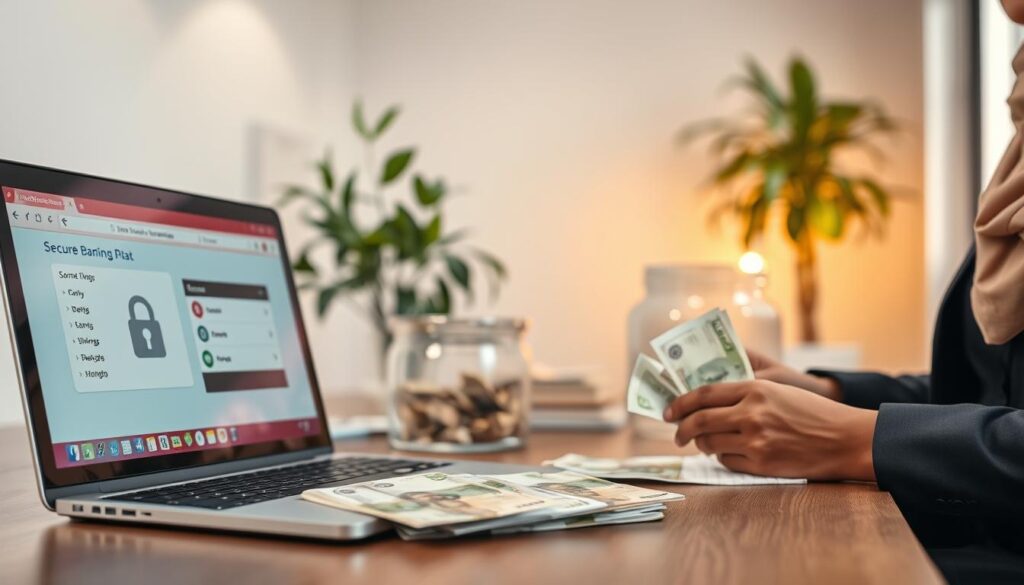
In places without digital money, cash is the main way to pay. But carrying a lot of cash can attract thieves. It’s important to spread your money in safe spots, like hidden belts or pockets, not all in one wallet.
When you can use digital payments, choose secure, encrypted services that hide your bank info. Keep a backup, like a prepaid card, in a different place from your main money. This way, you can always get to your funds, even if your wallet is lost.
“An investment in knowledge pays the best interest, but an investment in security pays the best dividends for the traveler.”
Avoiding Financial Scams and Unofficial Exchanges
It’s tempting to use unofficial money exchanges, but they can cost you a lot. These places often use tricks or fake money on tourists. Always use official banks or trusted hotels for money changes.
Watch out for people who offer “better deals” or investments. These are often sophisticated financial scams targeting tourists. Stay distant and say no to these offers to keep your money safe.
Conclusion
Traveling to Somalia requires you to be very careful and follow strict safety rules. Always stay alert, knowing that help from the government is hard to get in this area.
Focus on managing risks before you go. Having a solid emergency evacuation plan is key. It means you’re ready for quick changes in the situation.
Putting safety first is the best way to deal with risky places. Check if your insurance covers emergency evacuations in Somalia. This gives you confidence when things get tough.
Work with local experts and keep an eye on your surroundings. Being able to adjust to new situations is key to a safe trip. Share your tips or questions about safe travel with our community. This helps others stay safe and informed.


One Comment on “How to Visit Somalia Safely Travel Tips for Secure Journeys”