
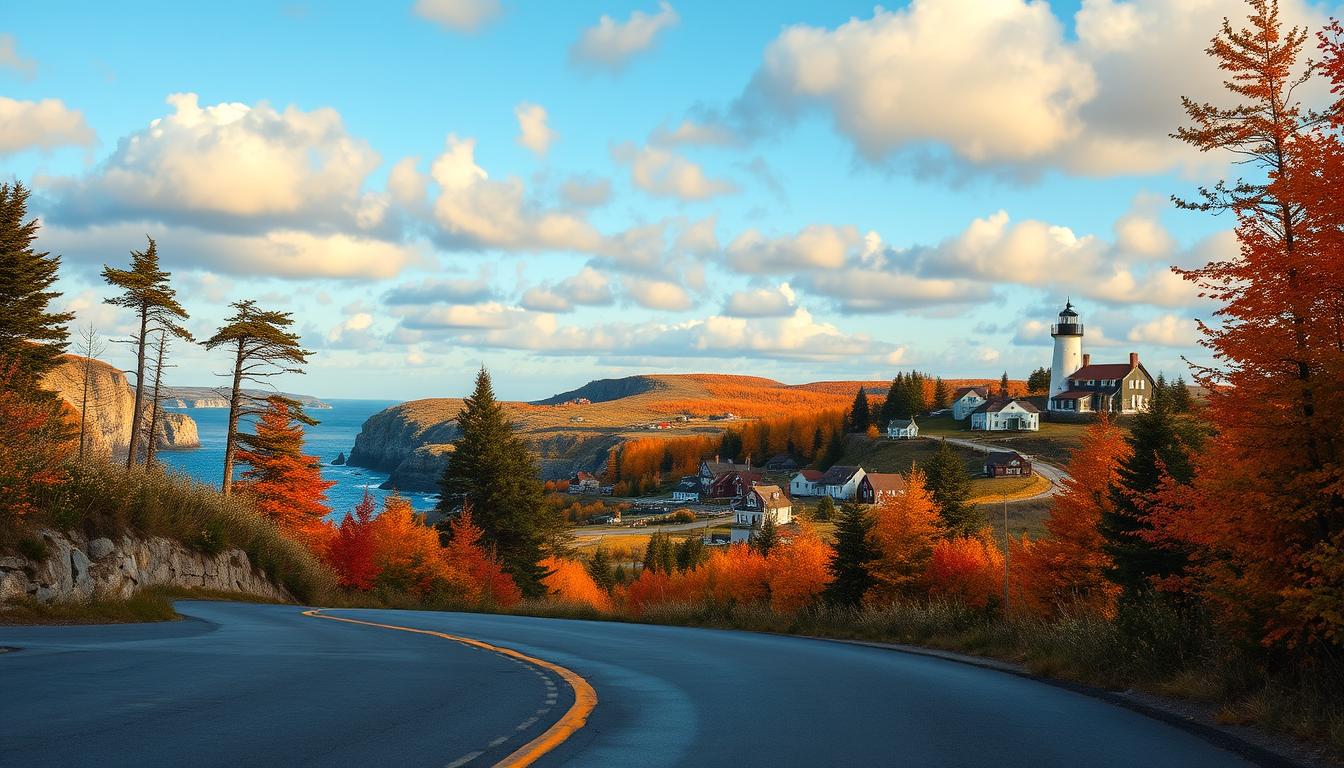
Did you know Nova Scotia has over 8,000 miles of coastline? It’s a top spot for maritime adventures in North America. You’ll find a mix of rugged nature and historic charm here. A Nova Scotia road trip is perfect for those who love fresh seafood and quiet coastal paths.
This guide offers a flexible Nova Scotia road trip itinerary. You can explore places like Peggy’s Cove and Halifax at your own pace. Enjoy scenic drives that let you tailor your trip to your interests and the season.
From the Annapolis Valley to Cape Breton, your journey is yours to plan. We highlight Nova Scotia road trip stops for authentic experiences. Get ready to find the Atlantic coast’s hidden treasures with confidence.
Key Takeaways
- Discover a flexible approach to exploring the province’s diverse coastal landscapes.
- Learn about essential stops including Halifax, Lunenburg, and the Bay of Fundy.
- Gain practical advice for navigating scenic routes regardless of your driving pace.
- Understand how to adapt your travel plans based on seasonal conditions and local weather.
- Find expert recommendations for balancing outdoor adventure with historic cultural experiences.
Plan Your Nova Scotia Road Trip Around Time, Season, and Driving Style
Traveling through the Maritimes is easier when you plan with the seasons and driving conditions in mind. A well-thought-out nova scotia itinerary mixes your love for coastal adventures with the challenges of driving in a beautiful, rugged area.
Choose the Best Time for Your Nova Scotia Trip Itinerary
The best time to visit Nova Scotia is from May to September. The weather is perfect for outdoor fun, and towns are welcoming to visitors.
If you want fewer people around, consider late spring or early fall. You might find some places closed, but the quiet makes up for it.
Decide How Many Days You Need
How long you stay depends on your pace and where you want to go. A five-day trip is great for focusing on areas like the South Shore or Annapolis Valley.
For a full Cape Breton loop, plan for at least ten days. Rushing through means missing out on local culture and views.
Understand Distances, Road Conditions, and Cell Service
Nova Scotia driving distances look shorter on maps but take longer due to winding roads and scenic stops. Also, remember ferry schedules.
Be ready for different Nova Scotia road conditions, like gravel roads in parks. Cell service can be spotty in valleys and along the coast.
Book Rental Cars, Lodging, and Popular Excursions Early
Book a Nova Scotia rental car early, mainly in summer. It’s a busy time, and cars are in high demand.
Also, book your stay and tours early. Reservations ensure a cozy place to stay and spots on special tours.
Build a Practical Nova Scotia Itinerary From Halifax
Halifax is the heart of Nova Scotia, making it the perfect start for any Halifax road trip. It’s a great place to get into the local vibe before exploring the coast and hidden spots of the Maritimes.
Spend Your First Two Days Exploring Halifax and Dartmouth
Your nova scotia itinerary should kick off in the city’s lively center. Spend the first two days enjoying the harbor’s mix of history and modern life.
Walk the Halifax Waterfront and Historic Properties
The Halifax waterfront is a must-see. It stretches for kilometers, lined with shops, eateries, and piers. You’ll love the sea air and the historic buildings that show the city’s past.
Visit the Canadian Museum of Immigration at Pier 21 and the Halifax Citadel
Learn about the region at the Canadian Museum of Immigration at Pier 21. Then, head to the Halifax Citadel for the changing of the guard and stunning views. For the best harbor views, take the Dartmouth ferry across.
Take a Day Trip to Peggy’s Cove and the Lighthouse Route
Ready to leave the city? A Peggy’s Cove day trip is perfect next. Follow the Lighthouse Route for a scenic drive along the Atlantic coast.
“The ocean is a powerful force that demands respect, even along the Atlantic’s jagged shores.”
See Peggy’s Cove Safely and Respect the Coastal Warning Signs
Visiting the coast means safety first. Always stay behind the lines and signs, as the rocks are slippery and waves can be dangerous. Never turn your back on the ocean, as it can change quickly.
Add Lunenburg, Mahone Bay, and Blue Rocks to the Same Drive
Start early to see Mahone Bay and Lunenburg, a UNESCO site. Blue Rocks is a great spot for photos. For more ideas, check out this 5-day guide.
Use Halifax as a Convenient Starting and Ending Point
Halifax makes travel easy. You can return to drop off your car or catch a flight, knowing you’ve seen the best. This practical approach lets you enjoy the views without worrying about travel.
Follow the South Shore for Lighthouses, Fishing Villages, and Coastal Scenery
The South Shore Nova Scotia is a must-see for anyone visiting Atlantic Canada. It boasts a stunning coastline, bustling fishing harbors, and a rich maritime history. You can see this heritage in every town you visit.
Explore Lunenburg’s Colorful Waterfront and Maritime History
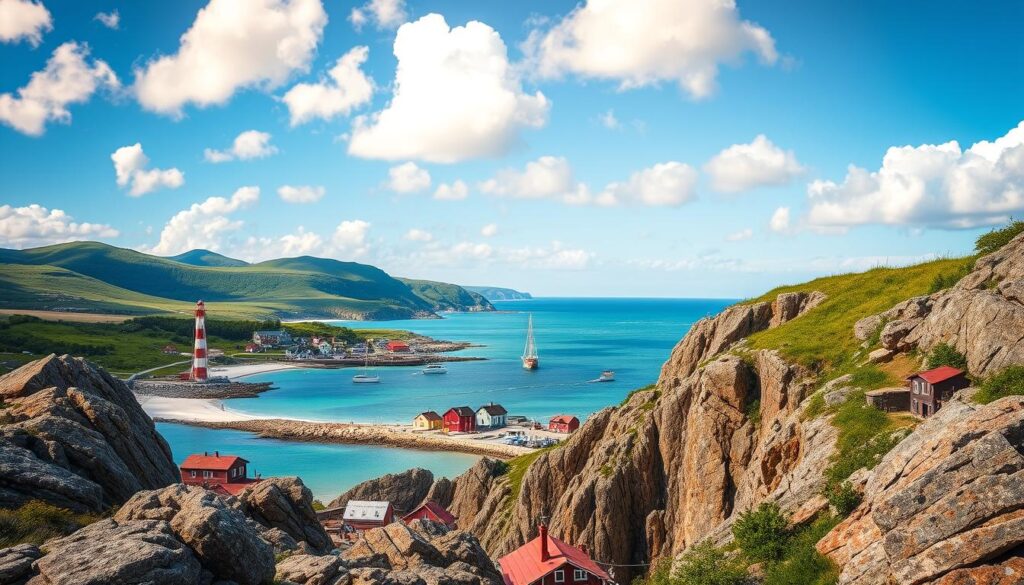
Lunenburg Nova Scotia is a true gem. It’s a UNESCO World Heritage site known for its well-preserved 18th-century buildings and lively waterfront.
- Walk the historic streets to see the iconic brightly painted wooden buildings.
- Visit the Fisheries Museum of the Atlantic to learn about the local seafaring legacy.
- Enjoy fresh seafood caught daily by local fishing fleets.
Stop at Mahone Bay, Chester, and the LaHave River Area
Just a short drive from Lunenburg, you’ll find Mahone Bay. It’s famous for its three historic churches overlooking the water. Then, there’s the charming village of Chester and the scenic LaHave River area.
These spots offer a peaceful atmosphere, perfect for boutique shopping and enjoying quiet coastal views. Don’t miss the ferry crossing at the LaHave River for a unique view of the shoreline.
Visit Kejimkujik National Park and National Historic Site
If you prefer nature, Kejimkujik National Park is the place to be. It’s a pristine inland area that protects both nature and the Mi’kmaw people’s cultural history.
Choose Easy Lakeside Walks, Canoe Routes, and Dark-Sky Experiences
The park is great for outdoor lovers looking to relax. You can pick from various activities, depending on your energy level:
- Paddling: Explore the lakes and rivers by canoe or kayak.
- Hiking: Walk the trails that go through old-growth forests.
- Stargazing: See the park’s incredible night views as a Dark-Sky Preserve.
Continue to Shelburne, Barrington, or Yarmouth for a Longer Coastal Route
If you have more time, head west to Yarmouth Nova Scotia. This route goes through Shelburne and Barrington, where the scenery gets even more rugged and remote.
Decide Whether the Lighthouse Route Is Better as an Out-and-Back or One-Way Drive
Planning your trip is important for a smooth journey. An out-and-back drive lets you focus on places like Lunenburg and Mahone Bay. On the other hand, a one-way route lets you see the whole coast, ending in Yarmouth before heading toward the Bay of Fundy.
Drive the Bay of Fundy Coast for Tides, Cliffs, and Local Food
A trip to the Bay of Fundy Nova Scotia is a key part of any nova scotia travel itinerary. The area is known for the world’s highest tides. These tides change the landscape dramatically throughout the day.
Travelers need to plan their visit with flexibility. This way, they can fully enjoy the changing scenery.
Watch the Bay of Fundy Tides at Burntcoat Head Park
Burntcoat Head Park is the best place to see the tides’ power. During low tide, you can walk on the ocean floor among unique rocks. It’s important to check tide charts to catch the low tide for the best experience.
Walk the Ocean Floor or Join a Tidal Bore Rafting Adventure
For thrill-seekers, tidal bore rafting is exciting. It lets you ride the waves when the tide comes back. For a calmer experience, walking the ocean floor offers a peaceful view of the coast.
Visit Wolfville, Grand Pré, and the Annapolis Valley Wineries
The Annapolis Valley wineries offer a nice contrast to the rugged coast. Grand Pré is a historic site with beautiful vineyards. The area is famous for its harvests and friendly vibe.
Pair Wine Tasting With Farm Stands, Breweries, and Seasonal Produce
The valley also has many farm stands and breweries. You can try fresh cider or pick up seasonal produce. This farm-to-table culture is great for food lovers.
Make Time for Cape Split, Halls Harbour, and the Fundy Shore
Cape Split has some of the province’s most dramatic hiking trails. They offer stunning views of the bay. Halls Harbour is known for its fishing wharf that’s exposed at low tide. These spots show the rugged beauty of the Fundy Shore.
Plan Around Tide Tables, Weather, and Trail Conditions
When exploring the shoreline, safety is key. Always check tide tables and weather before heading out. Being prepared ensures a safe and fun trip.
| Activity | Best Tide Condition | Experience Level |
|---|---|---|
| Walking Ocean Floor | Low Tide | Easy |
| Tidal Bore Rafting | Incoming Tide | Moderate to High |
| Coastal Hiking | Anytime | Moderate |
| Vineyard Tours | Anytime | Easy |
Take the Cabot Trail for Nova Scotia’s Most Dramatic Scenic Drive
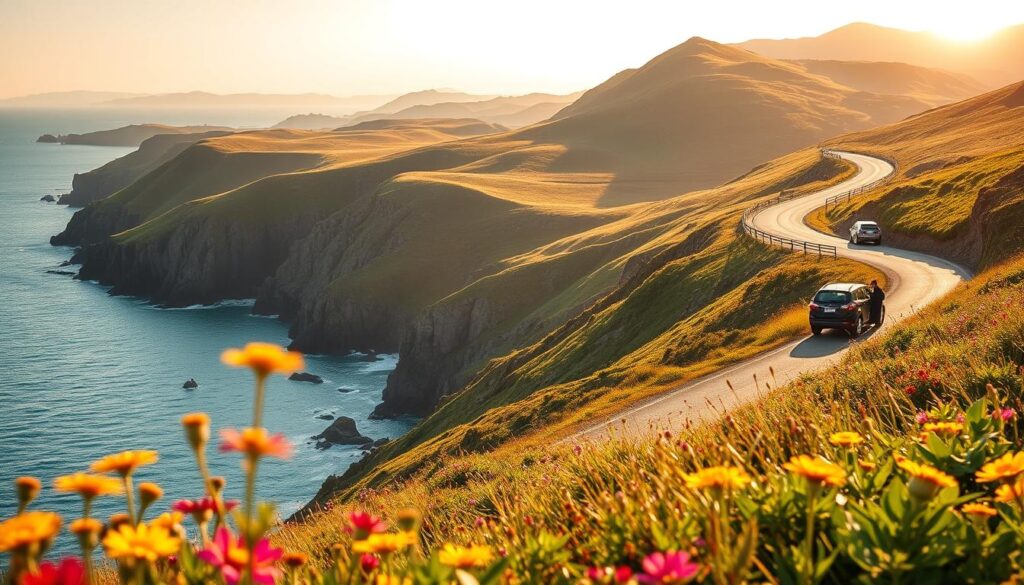
Driving the Cabot Trail is a unique experience. You’ll see steep cliffs and the Gulf of St. Lawrence’s waves. It’s a key part of any nova scotia trip itinerary. It mixes the sea’s charm with wild nature. Travelers should slow down to fully enjoy the views.
Choose the Best Direction for Your Cabot Trail Road Trip
Choosing your direction depends on your comfort with cliffs. Many like the counter-clockwise route for safety. But, both ways offer amazing views.
Spend Time in Cape Breton Highlands National Park
The park is the trip’s heart. It’s home to wildlife and stunning views. Make sure to buy a park pass early for easy access.
Hike the Skyline Trail and Prepare for Wind, Fog, and Changing Weather
The Skyline Trail is famous for its cliffside views. The weather can change fast, so wear layers. Always check the trail before you go.
Consider Franey, Middle Head, and Shorter Viewpoint Walks
For shorter walks, try Franey, Middle Head, or other trails. They offer great views without a long hike. They’re perfect for a quick taste of the coast.
Stop at Pleasant Bay, Chéticamp, and the Western Mountain Coast
The western side is known for its mountains and Acadian culture. Chéticamp offers music and food. Pleasant Bay is great for whale watching and coastal views.
Explore Ingonish, Cape Smokey, and the Eastern Side of the Loop
The eastern side has forests and beaches. Ingonish is a great base for exploring. Don’t miss the chairlift at Cape Smokey for a unique view.
Allow at Least Two or Three Nights Instead of Rushing the Circuit
Driving the loop in one day is too fast. Spend two or three nights to enjoy it fully. This way, your trip will be relaxing and memorable.
Extend Your Nova Scotia Travel Itinerary Through Cape Breton
Exploring the eastern part of the island is where the magic of a nova scotia travel itinerary truly shines. Instead of rushing back to the mainland, you can extend your Cape Breton itinerary. This lets you discover hidden gems and historical wonders that show off the local spirit.
Visit Baddeck and Learn About Alexander Graham Bell’s Legacy
The village of Baddeck Nova Scotia is perfect for slowing down. It’s famous as Alexander Graham Bell’s summer home. Spend an afternoon at his National Historic Site, where you can see his innovative inventions and personal items.
Explore the Bras d’Or Lake Region at a Slower Pace
The Bras d’Or Lake area around Baddeck is peaceful. It’s great for sailing, kayaking, or just enjoying the quiet. Taking your time here lets you soak in the tranquil atmosphere of this unique place.
Add Fortress of Louisbourg National Historic Site Near Sydney
For history buffs, the Fortress of Louisbourg is a must-see. Near Sydney, it’s one of the biggest historical reconstructions in North America. Walk through 18th-century streets, meet costumed interpreters, and learn about its strategic role.
Consider the Ceilidh Trail and Mabou for Music, Food, and Culture
The Ceilidh Trail shows the heart of Gaelic culture. Mabou is famous for its fiddle music and friendly people. Here, you can find a traditional meal or a lively kitchen party, giving you an unforgettable cultural experience.
Time Your Stops Around Live Music, Community Events, and Seasonal Hours
Many places along the trail have seasonal hours. It’s smart to check event calendars before you go. Advance planning helps you catch local dances or restaurant hours. Being flexible and checking local listings ensures you enjoy the best of the season.
Choose the Right Route for a Five-, Seven-, or Ten-Day Nova Scotia Trip
Planning a nova scotia itinerary means knowing your time and travel style. Whether you like fast trips or slow coastal walks, picking the right path is key. Focus on areas you love, not trying to see everything at once, for a better trip.
A Five-Day Nova Scotia Road Trip for First-Time Visitors
A five-day Nova Scotia road trip is great for those short on time. It lets you see the best spots without rushing. You can dive into the South Shore’s culture and the Annapolis Valley’s beauty.
Combine Halifax, Peggy’s Cove, Lunenburg, the Annapolis Valley, and One Coastal Region
Begin in Halifax for its urban charm. Then, head to Peggy’s Cove. Next, visit Lunenburg’s colorful waterfront, a UNESCO site. End with the Annapolis Valley’s vineyards and tides for a coastal balance.
A Seven-Day Nova Scotia Itinerary With the Cabot Trail
A seven-day Nova Scotia itinerary is perfect for exploring Cape Breton. It’s great for those wanting to see the Cabot Trail without rushing.
Balance Cape Breton’s Long Drives With Two-Night Stays
Stay in places like Baddeck or Ingonish for two nights. This lets you enjoy the Cape Breton Highlands National Park by day and relax in the evenings. Flexibility is key on Cape Breton’s roads, so plan for scenic stops.
A Ten-Day Nova Scotia Trip Itinerary for a More Complete Loop
A ten-day Nova Scotia road trip covers the whole province. It’s a chance to do a full Nova Scotia loop without constantly packing.
Include the South Shore, Bay of Fundy, Cape Breton, and Halifax Without Constantly Packing
With ten days, you can see the South Shore, Bay of Fundy, and Cabot Trail. Return to Halifax via the Eastern Shore. This way, you spend more time enjoying your trip and less driving.
| Trip Duration | Primary Focus | Pacing |
|---|---|---|
| Five Days | Halifax & South Shore | Fast-paced |
| Seven Days | Cape Breton & Coast | Moderate |
| Ten Days | Full Provincial Loop | Relaxed |
Make Each Drive Easier With Local Travel and Safety Tips
A successful nova scotia trip itinerary needs you to navigate changes with confidence. The province’s beauty is stunning, but some areas are remote. By focusing on Nova Scotia travel safety, you can enjoy the views without worries.
Plan Fuel, Food, Rest Stops, and Grocery Runs Outside Major Towns
Traveling through rural areas means gas stations and grocery stores aren’t always nearby. Always fill up when your tank is half full, before heading into the Cape Breton Highlands. Stock up on water and snacks in big cities like Halifax or Sydney for long drives.
If you’re looking for top cool inexpensive places to travel, local markets close early. Keep a physical map or offline GPS handy, as cell service can be spotty. These Nova Scotia road trip tips will keep your trip stress-free.
Drive Carefully on Coastal Roads, Gravel Access Roads, and Park Routes
The drive in Nova Scotia is unique but requires your full attention. Coastal roads are narrow and winding, with sudden elevation changes. Always slow down and follow numbered highways to avoid damage or getting stuck.
Take your time on park routes for a safer, more enjoyable trip. Whether it’s a one-week itinerary or longer, gravel roads can be slippery after rain. Always give way to local traffic and heavy machinery.
Pack for Fog, Rain, Wind, and Cooler Evening Temperatures
Nova Scotia’s weather can change quickly, even in summer. Pack layers, including a waterproof jacket and sweater, for sudden temperature drops. Coastal fog can come in fast, reducing visibility.
Being ready for these conditions is key to Nova Scotia coastal safety. Keep devices charged and carry a portable power bank for emergencies. Flexible reservations help manage your trip if the weather changes.
Protect Wildlife, Tidal Areas, and Fragile Coastal Landscapes
Respecting the environment is vital for Nova Scotia’s natural beauty. Keep a safe distance from wildlife, like moose or deer, near roads. When visiting the Bay of Fundy, stay on paths to protect tidal shorelines and nesting areas.
Before you go, make sure you have good travel insurance for Nova Scotia for any unexpected issues. These precautions protect you and the ecosystems you visit. Use the table below to get ready.
| Category | Action Item | Priority |
|---|---|---|
| Logistics | Download offline maps | High |
| Vehicle | Check tire pressure | Medium |
| Safety | Review insurance policy | High |
| Environment | Pack reusable waste bags | Medium |
Conclusion
Nova Scotia is a place of beauty that rewards careful planning. Planning your trip well means you can enjoy the stunning coastline more. Whether you’re in a hurry or want to take your time, the trip is yours to make.
A good itinerary is like a map for your adventure. It helps you see the best of Halifax, the Bay of Fundy, and the Cabot Trail. Remember to check when places are open and the tides before you go to the coast.
Staying safe is key when driving through the Maritimes. Watch the weather and road conditions closely. Taking your time lets you really connect with the local culture and nature. With the right planning, your trip will be unforgettable.