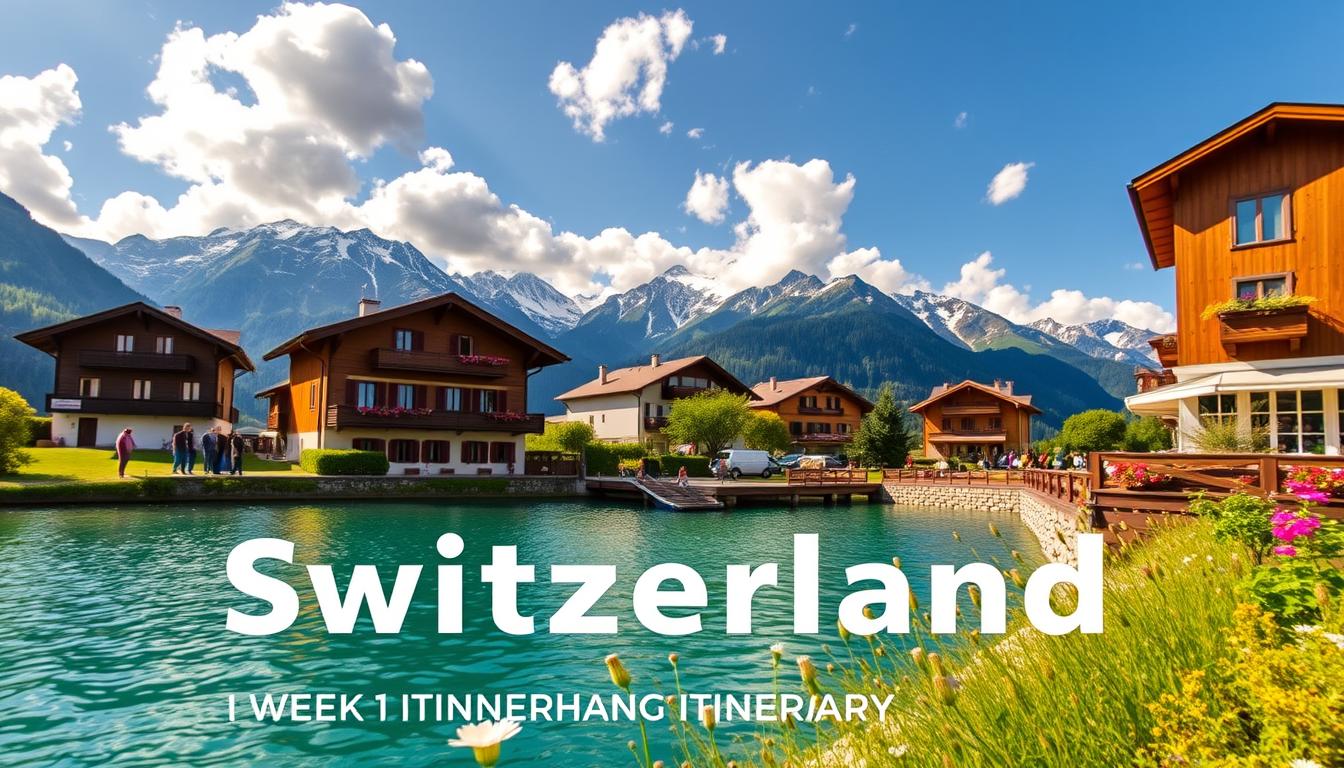
Did you know Switzerland is packed with over 1,500 lakes and countless mountains? It’s smaller than West Virginia. To enjoy it, you need to plan well to spend more time looking at the views than traveling.
Planning one week in Switzerland can be tough because of all the amazing places to see. Our guide helps you see Zurich, Lucerne, and the Jungfrau region easily. It’s all about making your trip less stressful.
We choose quality experiences over rushing around. You’ll learn to mix scenic train rides with free time. This way, your trip will be both unforgettable and easy to handle. Whether you’re after glaciers or quaint streets, this trip is a great start to your European journey.
Key Takeaways
- Focus on geographic clusters to minimize transit time and maximize sightseeing.
- Utilize the efficient rail network for stress-free travel between major hubs.
- Prioritize iconic experiences like the Jungfrau region over visiting too many cities.
- Account for variable Alpine weather by keeping your daily schedule flexible.
- Budget for higher accommodation costs by booking central locations early.
How to Plan One Week in Switzerland
Planning a one week switzerland itinerary means finding a balance between adventure and travel ease. You want to spend less time moving and more time enjoying the views.
Choose a Route That Balances Cities, Lakes, and Mountains
A great trip mixes city life with mountain beauty. Spend at least two nights in one place to avoid the hassle of packing and unpacking.
Focus on areas that offer both mountains and lakes. This way, your 1 week switzerland itinerary stays flexible, even when the weather changes.
Decide Whether to Arrive in Zurich and Depart from Geneva
Starting in Zurich and ending in Geneva saves time. It lets you see more without going back and forth.
But, flying into Zurich might be cheaper. If you do, explore the central and eastern parts to make your last day easy.
Use Switzerland’s Trains to Save Time and Avoid Rental-Car Stress
Switzerland’s trains are reliable and easy to use. They let you see the views without the hassle of driving.
When a Swiss Travel Pass Is Worth the Cost
The Swiss Travel Pass is great for those who travel a lot. It’s cost-effective for visiting many places or taking scenic routes.
- Calculate the total cost of individual point-to-point tickets.
- Compare this against the flat rate of the pass.
- Factor in the convenience of not buying tickets for every leg.
How Far Ahead to Reserve Scenic Train Seats
Book seats for famous trains like the Glacier Express early. Reserve at least two to three months in advance during busy times.
Not booking early might mean missing out or taking a slower train. Always check the SBB website for details on your route.
Day One: Arrive in Zurich and Settle Into Switzerland
Zurich is a great place to start your one week in Switzerland trip. It’s best to take it easy on your first day to get used to the local time. Exploring the city center first helps you avoid feeling tired from traveling too far.
What to See Around Zurich Hauptbahnhof and Bahnhofstrasse
The Zurich Hauptbahnhof is more than a train station. It’s a lively area filled with activity. Right outside, you’ll find Bahnhofstrasse, a famous shopping street. Even if you don’t want to shop, the buildings and displays are worth seeing.
Walk Through the Old Town and Along the Limmat River
From the station, you can easily reach the city’s historic center. The Zurich Old Town has narrow alleys that feel far from the station. Walking along the Limmat River connects you to key landmarks like the Grossmünster’s twin towers.
Choose Between Lake Zurich and Zurich’s Food Scene
Choose how you want to spend your afternoon. Relax by Lake Zurich for views of the Alps. Or, explore the city’s food scene with dishes from cheese fondue to international fusion.
Easy First-Night Dinner Options Near the Main Station
For dinner, the area around the main station has many good options. You can find cozy bistros with Swiss dishes or quick international meals. This way, you can easily get back to your hotel after dinner.
Where to Stay for a Smooth Start to the Trip
Choosing the right hotel is key for a smooth Zurich itinerary. Pick hotels near the main station to avoid extra travel with your luggage. Many hotels in this area have soundproof windows for a good night’s sleep.
| Activity | Estimated Time | Key Benefit |
|---|---|---|
| Station Arrival | 30 Minutes | Central access |
| Old Town Walk | 2 Hours | Cultural immersion |
| Lakeside Relaxing | 1 Hour | Scenic views |
| Local Dinner | 1.5 Hours | Energy recovery |
Day Two: Explore Lucerne’s Old Town and Lakefront
Leaving Zurich’s buzz for Lucerne’s calm is a key part of any one week Switzerland itinerary. This city is a perfect mix of old buildings and beautiful nature. It’s a great place to see the Alps up close.
Travel from Zurich to Lucerne by Train
The trip from Zurich to Lucerne takes about an hour by train. Swiss trains are very reliable. You can relax and watch the countryside go by without worrying about traffic.
See Chapel Bridge, the Water Tower, and the Jesuit Church
When you get to Lucerne, start by visiting the Chapel Bridge. This old wooden bridge is famous and beautiful. It’s a must-see photo spot.
Next, check out the Water Tower. It used to be a prison and a place to store money. Then, visit the Jesuit Church. It’s a stunning example of Baroque architecture and a peaceful place to think.
Spend the Afternoon on Lake Lucerne or at Mount Pilatus
After seeing the old town, enjoy the outdoors. You can take a boat ride on Lake Lucerne. It’s a great way to see the mountains from the water.
If you’re up for something more exciting, go to Mount Pilatus. You can see amazing views from the top by taking a train and cable car.
Mount Pilatus Versus Mount Rigi for a Short Mountain Excursion
Deciding between Mount Pilatus and Mount Rigi depends on what you like. Here’s a table to help you choose.
| Feature | Mount Pilatus | Mount Rigi |
|---|---|---|
| Transport | Steep cogwheel & cable car | Classic cogwheel train |
| Vibe | Dramatic and rugged | Gentle and panoramic |
| Best For | Thrill-seekers | Relaxed hikers |
How to Handle Rainy Weather in Lucerne
If it rains, don’t worry. Lucerne has lots of indoor places to visit. The Swiss Museum of Transport is a top choice.
You can also enjoy a cup of coffee in a cozy café in the Old Town. The city’s bridges and walkways offer shelter while you explore.
Day Three: Travel to Interlaken Through Switzerland’s Alpine Heart
The trip to the Bernese Oberland is a stunning journey. It connects Switzerland’s historic cities with its beautiful mountains. This journey is a key part of your one week in switzerland adventure.
Take the Scenic Train from Lucerne to Interlaken
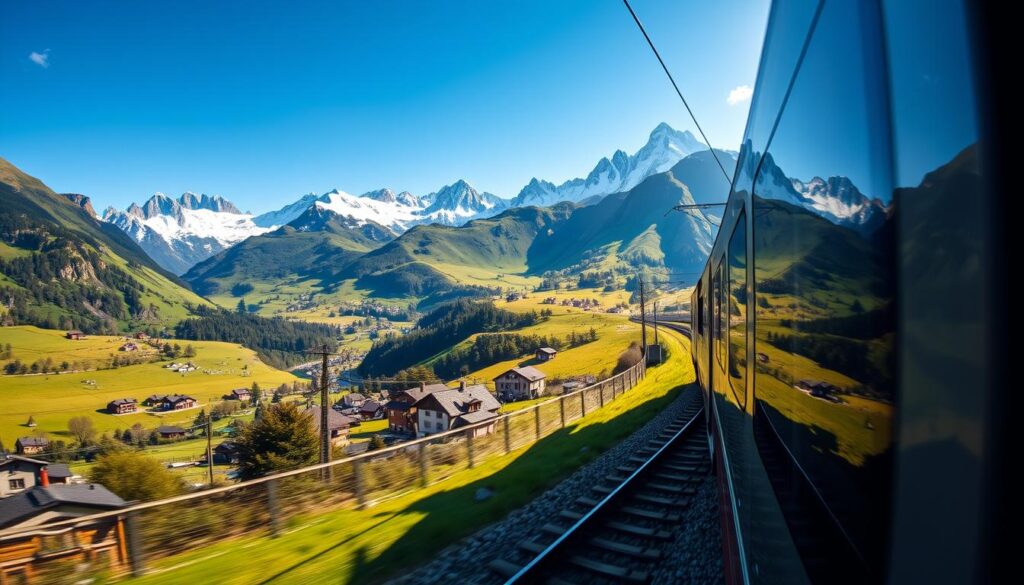
The Lucerne to Interlaken train, known as the Luzern-Interlaken Express, is a work of art. As it goes through the Brünig Pass, you see blue lakes and green meadows. This trip is more than just a ride; it’s a feast for your eyes.
Use Interlaken as a Base for the Bernese Oberland
Interlaken is the main entry to the region’s top peaks. Many travelers pick this town for its easy access. But, you might prefer quieter, car-free villages deeper in the mountains. If you’re planning a Swiss alpine adventure, Interlaken is a great base.
Enjoy Harder Kulm, the Aare River, and Lake Thun
After arriving, spend the afternoon exploring. A short funicular ride to Harder Kulm offers a breathtaking view. You can also walk by the Aare River or cruise on Lake Thun’s clear waters.
Interlaken Ost Versus Interlaken West for Accommodation
Where to stay depends on what you want. The table below shows the main differences between Interlaken Ost and Interlaken West:
| Feature | Interlaken Ost | Interlaken West |
|---|---|---|
| Train Access | Best for mountain trains | Best for local shops |
| Atmosphere | Quiet and functional | Bustling and central |
| Best For | Early mountain departures | Dining and nightlife |
What to Pack for Changing Alpine Weather
The weather in the Bernese Oberland can change quickly. Being prepared is important for your comfort in the Interlaken itinerary. Here are some essentials to pack:
- A lightweight, waterproof windbreaker or rain shell.
- Sturdy, broken-in walking shoes with good grip.
- Versatile layers, including a fleece or light down jacket.
- Sun protection, as UV rays are stronger at high elevations.
Day Four: Experience the Jungfrau Region from Interlaken
Your mountain adventure starts today in the Lauterbrunnen Valley. This valley is a key part of any one week Switzerland itinerary. Its stunning cliffs and waterfalls make for a memorable morning.
Visit Lauterbrunnen’s Waterfalls and Valley Floor
The valley floor is easy to explore and perfect for a morning stroll. Staubbach Falls, with its 300-meter drop, is a sight to see. Walking here lets you enjoy the mountains without needing heavy hiking gear.
Continue to Wengen or Mürren for Classic Mountain Views
From the valley, head to Wengen or Mürren for amazing views. Wengen offers sunny views, while Mürren is rugged and car-free. Both places show off the Eiger, Mönch, and Jungfrau mountains.
Choose Between Jungfraujoch, Schilthorn, and a Lower-Cost Alpine Day
Choose your afternoon based on your budget and love for high places. The Jungfraujoch and Schilthorn are pricey but famous. For a cheaper day, try a hike or a picnic at a high spot.
| Destination | Best For | Cost Level |
|---|---|---|
| Jungfraujoch | Glacier views | High |
| Schilthorn | Panoramic vistas | Medium-High |
| Valley Walks | Nature immersion | Low |
When Jungfraujoch Is Worth the Price
Visiting the “Top of Europe” is worth it if the weather is clear. You’ll see the Sphinx Observatory and Ice Palace. But if the weather is bad, the cost might not be worth it.
How to Avoid Crowds on Cable Cars and Mountain Trains
To avoid crowds, start early. Most groups arrive by mid-morning. Catch the first train from Interlaken. Visit during the shoulder season or mid-week to miss weekend crowds.
- Check the live webcams before buying tickets.
- Use the SBB app to check train capacity and times.
- Consider a regional pass for visiting multiple peaks in one day.
Day Five: Take a Scenic Train to Zermatt
Your fifth day is a change of scenery. You leave the green lakes of Interlaken for Zermatt’s sharp peaks. This trip is a breathtaking bridge between the central highlands and the southern Alps.
Travel from Interlaken to Zermatt with Practical Connections
The trip from Interlaken to Zermatt shows Swiss rail’s efficiency. You start at Interlaken Ost, then go to Spiez. From there, a train to Visp, and a final climb to Zermatt.
This route is easy and often, avoiding mountain roads. Use the SBB app to plan your moves. This way, you can enjoy the views without stress.
Make the Glacier Express Route Work Within a Seven-Day Trip
Many want to ride the Glacier Express. But, it’s hard to fit it into a one week in Switzerland. Instead, take a part of it from Brig or Visp to Zermatt.
This lets you see the scenic train’s luxury without losing a day. It’s a good way to see the best of Swiss rail travel in your Zermatt itinerary.
“The journey of a thousand miles begins with a single step, but in Switzerland, it begins with a perfectly timed train connection.”
Explore Zermatt’s Car-Free Village After Checking In
Arriving, you’ll love Zermatt’s quiet streets. After your hotel, explore the village. See the wooden chalets and flower boxes.
Shop, have coffee, or just watch the Matterhorn. A Swiss meal, like cheese fondue, ends your day perfectly.
Why the Full Glacier Express Is Too Long for This Itinerary
The full Glacier Express takes nearly eight hours. For seven days, it’s too long. Focusing on the end lets you explore more.
How to Store Luggage and Manage Multiple Train Changes
Swiss rail makes luggage easy with station lockers and services. Travel light with the SBB luggage service. Carry essentials in a daypack for easy platform changes.
Day Six: See the Matterhorn and Enjoy Zermatt
Your sixth day in Switzerland brings you face-to-face with the legendary Matterhorn in the car-free village of Zermatt. This destination serves as a cornerstone of any one week switzerland itinerary. It offers unparalleled access to high-altitude vistas and charming alpine culture.
Ride to Gornergrat for One of Switzerland’s Best Mountain Views
The cogwheel railway to Gornergrat is the most iconic way to experience the region. As the train climbs steadily, you are treated to panoramic views of glaciers and jagged peaks.
Upon reaching the summit at 3,089 meters, you will find a viewing platform. It provides the most famous perspective of the Matterhorn. It is a must-see experience that rewards visitors with a clear line of sight to the pyramid-shaped mountain.
Compare Gornergrat, Matterhorn Glacier Paradise, and Sunnegga
Choosing where to spend your time depends on your specific interests and the day’s weather conditions. Use the following table to weigh your options for mountain excursions.
| Destination | Best For | Elevation |
|---|---|---|
| Gornergrat | Classic views and photography | 3,089m |
| Matterhorn Glacier Paradise | Glacier views and snow | 3,883m |
| Sunnegga | Family-friendly hikes and lakes | 2,288m |
Choose an Easy Hike or a Relaxed Village Afternoon
After your mountain excursion, you might prefer a gentle walk or a quiet afternoon in the village. Zermatt is highly walkable. It allows you to soak in the atmosphere without needing a car.
Best Short Walks for Different Fitness Levels
- The Five Lakes Walk: Accessible from Sunnegga, this trail offers stunning reflections of the peak in alpine water.
- Village Stroll: Wander through the Hinterdorf area to see traditional wooden barns built on stone stilts.
- Gorner Gorge: A short, easy walk from the village center that leads you through dramatic rock formations and rushing water.
What to Do If Clouds Hide the Matterhorn
Mountain weather can be unpredictable, but Zermatt offers plenty of charm even when the peaks are obscured. If the Matterhorn is hidden, consider visiting the Matterhorn Museum to learn about the history of local mountaineering.
Alternately, enjoy a long lunch at a cozy café or browse the boutique shops along the main street. If you have a flexible schedule, check the live webcams frequently. Cloud cover often clears quickly in the afternoon.
Day Seven: Finish in Geneva or Return to Zurich
As your one week in Switzerland comes to an end, you must decide where to leave from. You can choose between Geneva or Zurich. Make sure you pick a route that is comfortable and reliable, so you arrive at the airport with time to spare.
Travel from Zermatt to Geneva for a Scenic Final Day
The trip from Zermatt to Geneva is a beautiful way to end your trip. You’ll see the stunning Swiss mountains as you go down from the high Alps. You’ll change trains in Visp, then take the train to the French-speaking part of Switzerland.
See Lake Geneva, the Jet d’Eau, and the Old Town
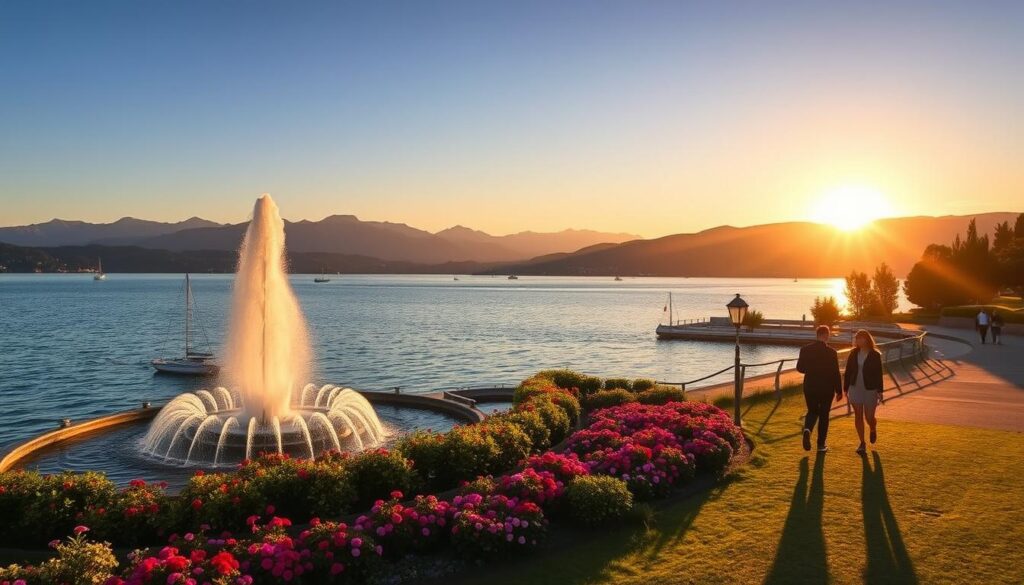
If you have a few hours before your flight, explore Geneva. Start by walking along Lake Geneva to see the famous Jet d’Eau fountain. Then, explore the Old Town’s historic streets and enjoy the local vibe.
Use Zurich Instead If Your Flight Leaves from Switzerland’s Largest Airport
If you’re flying out of Zurich Airport, go straight there. Zurich is the best place for international flights. The train station is right under the terminal, making it easy to get there.
How to Match the Final Train to Your Departure Time
Use the SBB Mobile app to check your train at least 24 hours in advance. Pick a train that gets to the airport three hours before your flight. This way, you’ll have time for any delays. Don’t plan any mountain trips on your last day, as weather or technical issues might mess up your plans.
Where to Enjoy a Last Swiss Meal or Chocolate Stop
For a special ending, visit a local bakery or chocolatier near your station. Enjoying Swiss chocolate or a pastry is a delightful and low-stress way to end your trip. Keep things simple so you can relax and think about your journey.
Where to Stay on a One Week Switzerland Itinerary
Choosing the right place to stay helps you make the most of your trip. When planning a one week switzerland itinerary, pick a spot that’s easy to get to. This way, you can enjoy the views without wasting time moving around.
Best Areas to Stay in Zurich for Convenience
Zurich is the best place to start if you’re flying in. Stay near the Zurich Hauptbahnhof for quick access to trains. Many Switzerland hotels here are designed for travelers, with quiet rooms and easy transit access.
The Old Town (Altstadt) is charming but has cobblestone streets. This might make it hard to move your luggage. Hotels near the Limmat River offer a good balance of convenience and beauty.
Choosing Between Lucerne’s Old Town and Lakefront Hotels
Lucerne is a must-see, and your lodging choice affects your experience. The Old Town is lively, with historic buildings and local shops nearby.
Lakefront hotels, on the other hand, have stunning views. They’re perfect for a peaceful stay after exploring. Think about what you want when booking:
- Old Town: Great for nightlife, dining, and walking to the Chapel Bridge.
- Lakefront: Ideal for quiet mornings, mountain views, and boat tours.
Interlaken, Lauterbrunnen, and Mürren for the Bernese Oberland
The Bernese Oberland offers different experiences based on where you stay. Interlaken hotels are great for a central spot with easy train access. They’re perfect for visiting many peaks in one day.
For a real mountain feel, try Lauterbrunnen or Mürren. Lauterbrunnen is under famous waterfalls, while Mürren is a car-free village. These places offer a unique alpine experience but are farther from main rail lines.
Zermatt Lodging for Views, Transit Access, and Value
Finding the right Zermatt lodging is key for a great Matterhorn visit. The village is car-free, so most hotels offer electric taxis. Choose hotels near the Gornergrat railway for easy mountain trips.
How to Balance Location With Switzerland’s High Accommodation Costs
Switzerland’s high prices can be managed with smart planning. Booking early can get you better deals, even in popular spots. Here’s a comparison to help you decide:
| Location Type | Primary Benefit | Cost Consideration |
|---|---|---|
| City Center | Transit Efficiency | High, but saves on local transport |
| Mountain Village | Scenic Immersion | Premium, but offers unique value |
| Valley Floor | Nature Access | Moderate, requires more travel time |
Your choice should match your travel style. For easy travel, stay near train stations. For mountain views, choose higher villages, even if it takes longer to get there.
How to Get Around Switzerland Efficiently
Learning about Swiss transportation makes your trip easier. Whether you’re here for one week in switzerland or longer, the rail network gets you to remote villages easily.
Understand Point-to-Point Tickets, the Swiss Travel Pass, and Half Fare Card
Choosing the right ticket can save you money. The Swiss Travel Pass is great for tourists. It lets you travel on trains, buses, and boats, and gets you into museums for free.
If you like flexibility, the Half Fare Card gives you 50% off most tickets. For set routes, point-to-point tickets are easy to buy. Always compare your total costs before picking a pass.
Use the SBB Mobile App to Check Platforms and Connections
The SBB Mobile app is a must-have. It shows platform changes, delays, and connection times in real-time. You can also buy tickets in the app, keeping your travel documents together.
“The Swiss rail system is a masterpiece of precision, designed to connect people to the heart of the mountains with unparalleled reliability.”
Know When Seat Reservations Are Necessary
Most Swiss trains don’t need seat reservations. Just hop on and find a seat. But, on scenic routes like the Glacier Express, you must book a seat.
Travel Rules for Mountain Railways and Cable Cars
While your rail pass covers most trains, mountain railways and cable cars have different rules. Some need a small fee, others are free. Always check before you go, and have your complete travel packing list ready for inspectors.
Tips for Traveling With Carry-On Bags and Large Suitcases
Packing light makes station navigation easier. Most trains have luggage racks, but big suitcases are hard during busy times. We recommend using carry-on bags for easy transfers. For heavy luggage, use station lockers or SBB’s luggage forwarding service.
What to Budget and Pack for Seven Days in Switzerland
A great one week Switzerland itinerary needs a good balance of budget and gear. Getting ready right lets you enjoy the beautiful mountains without worries. Knowing the local money and packing smart makes your trip smooth.
Estimate Daily Costs for Hotels, Meals, Transportation, and Activities
Knowing the Switzerland travel cost is key for any trip. Costs change based on where you stay and how many mountains you visit. Most money goes to transport and places to stay.
| Category | Budget Traveler | Mid-Range Traveler | Premium Traveler |
|---|---|---|---|
| Accommodation | $100 – $150 | $200 – $300 | $400+ |
| Meals | $40 – $60 | $80 – $120 | $150+ |
| Transport/Activities | $50 – $70 | $90 – $130 | $150+ |
| Daily Total | $190 – $280 | $370 – $550 | $700+ |
Pack Layers, Comfortable Shoes, and Weather-Ready Gear
Your Switzerland packing list should be versatile. The weather in the Alps can change fast, so wear layers. Always have a waterproof jacket and good walking shoes for city streets and trails.
- Lightweight base layers for moisture management.
- A warm fleece or insulated mid-layer.
- Waterproof outer shell for unexpected rain.
- Sturdy hiking boots with good ankle support.
- Sunglasses and high-SPF sunscreen for high altitudes.
Plan for Swiss Francs, Credit Cards, and Restaurant Service Charges
Swiss francs are the official money, but credit cards work almost everywhere. It’s smart to have some cash for emergencies or places without cards. Remember, service charges are already in restaurant bills, so tipping is up to you.
Small Items That Make Mountain Days Easier
Adding a few things to your backpack can make a big difference. A reusable water bottle is key, as Swiss tap water is great. Also, bring a portable charger to keep your phone charged for maps and photos.
How to Save Money Without Cutting the Best Experiences
You can have a great time without spending too much by choosing wisely. Buy food at local stores like Coop or Migros for picnics instead of eating out. Pick one or two special mountain trips instead of trying every cable car. Staying in towns with good rail links also saves money on private transport.
Conclusion
A successful trip through Europe’s heart needs a balance of famous sights and a pace you can keep. Your one week in Switzerland plan is a guide, not strict rules.
Focus on key spots like Zurich, Lucerne, and Zermatt to dive deep into local life. If winter is your time, check out top winter destinations. Being flexible is key when dealing with mountain weather or train issues.
Good planning makes a complex trip easy. Use the SBB app for train info and pick places to stay near main spots. This way, you save time and enjoy the views more.
Smart budgeting keeps your money for the best parts of your trip. Whether you go for luxury or cozy stays, planning well makes your Switzerland week unforgettable. Travel with confidence, knowing every detail helps make your journey smooth and fulfilling.