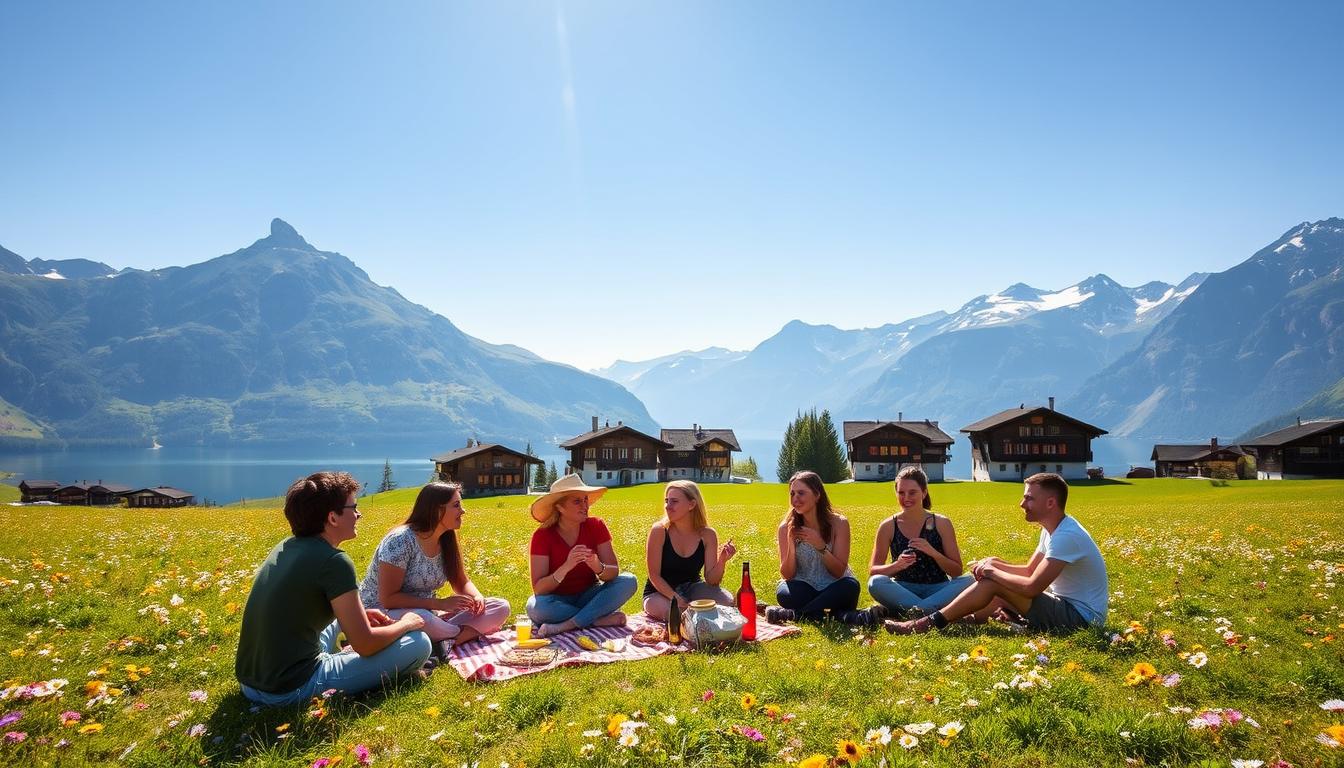
Did you know nearly 80% of international visitors think Switzerland is way more expensive than it is? It’s true, Switzerland is known for its high prices. But, you can have a great time here without spending a lot.
The key is to avoid spending money on everything. Look for ways to save on travel, food, and where you stay. Using local stores and regional rail passes can really cut down your costs. These cheap Switzerland travel tips help you enjoy the country without breaking the bank.
Planning your trip carefully makes it come true. Whether you’re hiking or exploring old villages, making smart choices helps your money stretch. Finding switzerland on a budget means getting great experiences while spending wisely.
Key Takeaways
- Prioritize regional rail passes to save on extensive transit costs.
- Shop at local supermarkets for high-quality, affordable picnic supplies.
- Visit during the shoulder season to secure lower lodging rates.
- Take advantage of free walking tours and public hiking trails.
- Use tap water from public fountains to avoid expensive bottled drinks.
What a Budget Switzerland Trip Really Costs
Knowing the cost of a Swiss trip is key to a worry-free trip. You can have a budget-friendly Swiss vacation with smart planning. Start by planning your expenses early to enjoy the beautiful views without worrying about money.
Set a realistic daily budget in Swiss francs
It’s better to plan your Switzerland daily budget in Swiss francs (CHF). This helps you keep up with local prices and avoids confusion. A good budget should fit your travel style, whether you like hostels or mid-range hotels.
Here are some daily budget estimates for a budget traveler:
| Expense Category | Budget Estimate (CHF) | Notes |
|---|---|---|
| Accommodation | 60 – 100 | Hostels or budget guesthouses |
| Food & Drink | 40 – 70 | Supermarket meals and snacks |
| Transportation | 30 – 50 | Passes and regional tickets |
Understand the biggest expenses: transportation, lodging, and food
The main costs are transportation, lodging, and food. Transportation is often the biggest expense due to the excellent rail network. Lodging prices vary a lot, depending on where you are, like Zermatt or St. Moritz.
Food can add up if you eat out all the time. Smart travelers buy food at local supermarkets for picnics or simple meals. This saves money and lets you enjoy the views.
Compare Switzerland with nearby European destinations
It’s good to compare Switzerland with countries like France, Germany, or Italy. Swiss prices for food and services are higher. But, the Swiss infrastructure’s efficiency and safety offer exceptional value that’s worth the extra cost.
Build a trip budget in U.S. dollars with room for exchange-rate changes
After figuring out your total in francs, convert it to U.S. dollars to see your total trip cost. Add 10% to 15% to your budget for possible currency changes. This way, your trip plans stay safe even if the exchange rate changes.
Always check your bank fees for international transactions. These can add up and affect your budget. By planning for these, you can enjoy the views without worrying about money.
When to Visit Switzerland for Lower Prices
Planning your trip wisely can help you save money. Knowing when prices are lower lets you enjoy Switzerland without breaking the bank.
Travel during the shoulder seasons for better value
The Switzerland shoulder season is from April to June and September to October. It’s the best time for a budget-friendly trip. Prices for hotels are lower than in the busy summer or winter.
Many hotels offer discounts during these times. It’s the cheapest time to visit Switzerland for those who want good weather and lower prices.
Know when ski resorts and alpine towns charge peak rates
Winter months, like Christmas and February, see high prices in alpine towns. If you’re looking for winter travel inspiration, be ready for higher costs for lodging and lift passes.
Places like Zermatt or St. Moritz are pricier in ski season. To save, visit lower-altitude towns away from the slopes.
Balance weather, daylight, crowds, and accommodation prices
Choosing your travel dates is a balance. Summer has long days for hiking but is pricey and crowded.
Autumn or early spring might be cheaper but has shorter days and closed trails. Always check what’s available in your area before booking.
“The journey of a thousand miles begins with a single step, but the budget for that journey begins with a well-timed calendar.”
Find lower-cost travel dates around major Swiss events
Events like the Montreux Jazz Festival can raise prices. But visiting after these events can get you better deals.
Keep an eye on local events to avoid high prices. Shifting your trip by a few days can find affordable Switzerland travel dates.
Why flexible dates matter for flights from the United States
Flexible dates can save you money on flights from the United States. Use tools to compare prices across a month, not just specific dates.
Mid-week flights are cheaper than weekends. For a detailed look at costs, check a Switzerland trip cost breakdown.
| Season | Price Level | Best For |
|---|---|---|
| High (July-Aug) | Premium | Hiking & Festivals |
| Shoulder (May/Oct) | Moderate | Sightseeing & Value |
| Winter (Dec-Feb) | High | Skiing & Snow Sports |
How to Find Affordable Flights and Enter Switzerland
Finding affordable flights to Switzerland is more than just looking for cheap tickets. The total cost of your trip also depends on how easy it is to get to your destination from the airport. Smart planning means thinking about the whole journey before you book.
Compare flights to Zurich, Geneva, and Basel
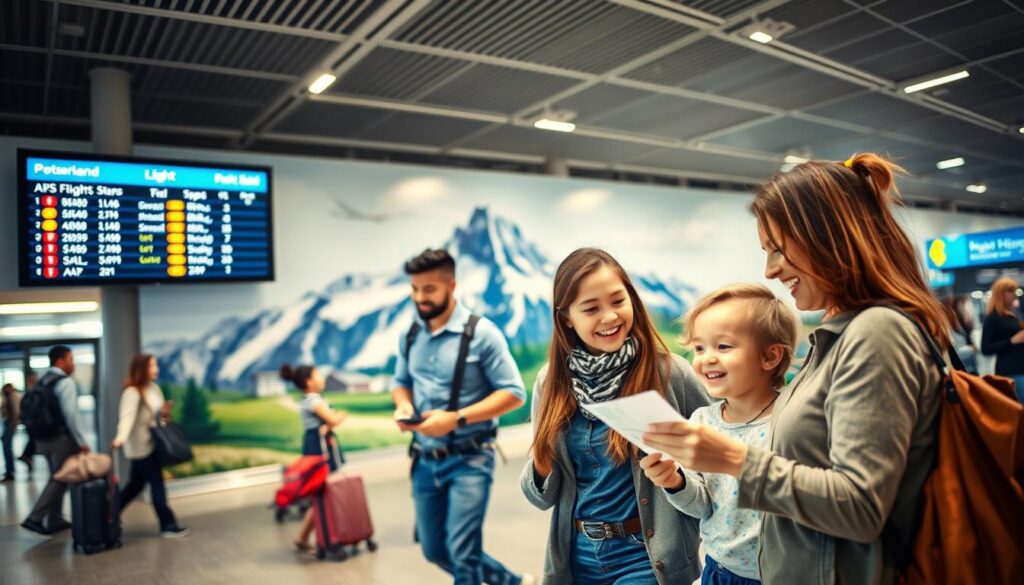
Many travelers choose Zurich flights because it’s the main entry point. But, Geneva flights are better for western regions and French-speaking areas. Basel flights are great for the Jura Mountains and the north, with less traffic.
Use nearby airports in France, Germany, and Italy when the savings justify it
Flying into a nearby country can cut your flight costs. Airports like Lyon, Milan, or Stuttgart are well-linked to Switzerland by rail. Pick this option only if the total savings are worth the extra travel time and cost.
Factor in train fares, airport transfers, and baggage fees
When comparing flights, remember the cost of getting to your destination. A cheaper flight to a distant airport might cost more with train or transfer fees. Don’t forget baggage fees, as heavy bags can make travel harder and pricier.
Choose the best arrival airport for your itinerary
Choose an airport that matches your first stop to avoid travel fatigue. Following a Switzerland budget guide, pick routes that use your rail pass right away. This saves time and money, letting you enjoy your trip without delays.
When an open-jaw flight can reduce backtracking
Booking open-jaw Switzerland flights can save you time and money. It avoids the need to return to your starting point. Traveling in one direction lets you spend more time exploring than on trains.
Save Money on Swiss Trains, Buses, and Mountain Transport
Learning how to use Swiss public transit is key to exploring the country without spending too much. Transportation costs can add up quickly. So, careful planning is vital. Before buying any pass, plan your trip to avoid paying for services you won’t use.
Decide whether the Swiss Travel Pass is worth the price
The Swiss Travel Pass lets you travel freely on trains, buses, and boats. But, it might not be the best deal for everyone. Compare the cost of the pass to buying individual tickets to see if it’s cheaper.
Compare the Swiss Half Fare Card with point-to-point tickets
The Swiss Half Fare Card is a great choice for many. It gives you a 50% discount on most transport. It’s perfect for those staying in one area for a few days or who like to travel at a slower pace.
Use Saver Day Passes and advance-purchase fares strategically
For those with a set itinerary, the Saver Day Pass Switzerland offers big savings. These passes can be bought up to six months in advance. Booking early helps you find cheap Swiss train tickets that fit your budget.
Choose regional passes for mountain destinations
Alpine regions have special passes for cable cars and mountain railways. These passes are often cheaper than national ones if you’re staying in one area. Always check the local tourism website for the latest deals.
Reduce transportation costs with scenic routes that do not require premium supplements
Switzerland’s rail journeys are stunning, but some trains charge extra for seats. Regular regional trains offer the same views without the premium supplements. This way, you can enjoy the Swiss Alps’ beauty while saving money.
Choosing Budget-Friendly Places to Stay
Finding the right place to stay is key to successful switzerland budget travel. You can enjoy the mountains longer without spending too much. This is done by finding a balance between cost and comfort.
Compare hostels, guesthouses, apartments, and budget hotels
For budget accommodation Switzerland, you have many choices. Hostels are the cheapest, but you’ll share rooms. Guesthouses offer a personal touch, and apartments are great for longer stays.
Use kitchens and shared facilities to lower daily costs
Booking places with kitchens can save a lot of money. Cooking your meals means you don’t have to eat out all the time. Shared spaces like lounges or laundry rooms also help keep costs down.
Stay outside the most expensive resort centers
Looking for cheap places to stay in Switzerland? Try smaller villages instead of famous tourist spots. Places like Gruyères or Appenzell are quieter and cheaper.
Consider affordable bases such as Interlaken, Lucerne outskirts, and smaller towns
While big cities are handy, the outskirts of places like Lucerne or Interlaken are better value. They’re great for exploring the area without breaking the bank.
Check local transportation before booking a cheaper location
A cheap room is only good if getting there is affordable too. Make sure local transport is easy and cheap before booking. Long commutes can quickly negate the savings from a cheaper room.
Look for included breakfast, transit cards, and visitor benefits
Many places offer free breakfast or transit passes. Always ask about Swiss guest cards for discounts on buses and attractions.
| Accommodation Type | Primary Benefit | Best For |
|---|---|---|
| Hostels | Lowest nightly rate | Solo travelers |
| Apartments | Self-catering kitchen | Families or groups |
| Guesthouses | Local hospitality | Cultural immersion |
| Budget Hotels | Reliable amenities | Short-term stays |
Eating Well in Switzerland Without Overspending
Learning to eat affordably is key for travelers in switzerland on budget. Eating out all the time can be pricey. But, you can enjoy great local food by shopping like a local.
Shop at Migros and Coop for inexpensive breakfasts and packed lunches
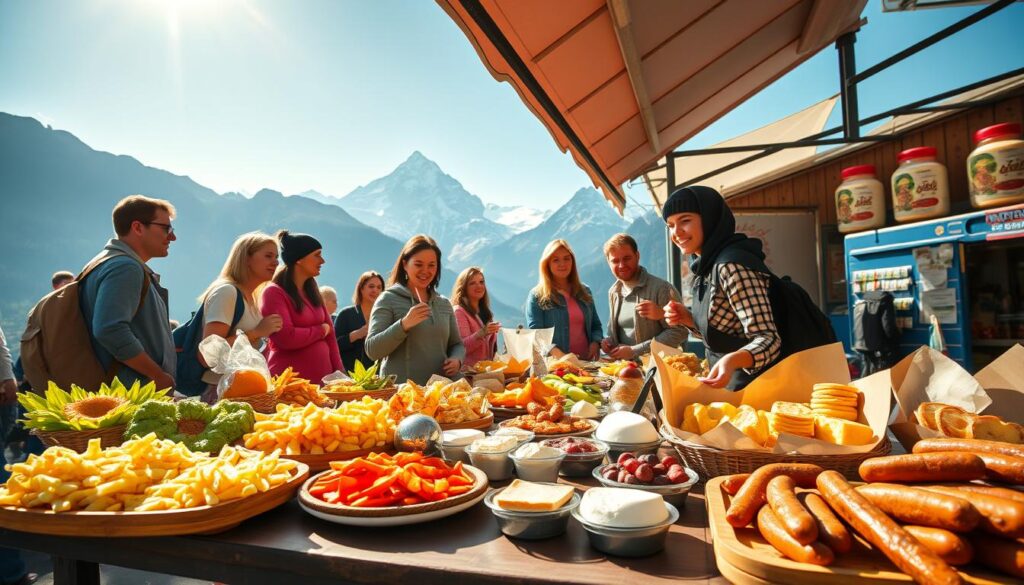
For cheap food in Switzerland, visit big supermarkets. Migros and Coop Switzerland have everything from fresh fruit to pre-made meals.
These stores are great for quick breakfasts or lunches on the go. For even cheaper basics, check out Aldi or Lidl in bigger towns.
Use bakeries, takeaway counters, and supermarket hot-food sections
Swiss bakeries, or Bäckerei, offer great deals on pastries and sandwiches. Supermarkets also have hot-food counters with affordable meals.
These options let you enjoy a meal without the extra cost of service. They’re perfect for days when you’d prefer to explore.
Find affordable Swiss specialties without committing to expensive restaurants
You don’t need fancy restaurants to try Swiss foods. Supermarkets sell top-quality cheeses, meats, and chocolates for self-made meals.
“The secret to a great journey is not just the sights you see, but the local flavors you experience along the way.”
Understand restaurant customs, service charges, and drink prices
Service is included in the bill by law in Switzerland. You don’t need to leave a big tip, but rounding up is nice.
Drinks, like alcohol and soft drinks, can be pricey in restaurants. Tap water is safe and free, making it a smart choice.
Simple picnic combinations for train days and mountain outings
Preparing Swiss picnic meals is a smart way to save money. Here’s a table to help plan your outdoor lunch:
| Item Category | Budget Choice | Local Specialty |
|---|---|---|
| Main | Fresh baguette | Alpine cheese |
| Protein | Hard-boiled eggs | Bundnerfleisch |
| Fruit | Seasonal apples | Swiss berries |
Save on water by carrying a reusable bottle
Switzerland’s free tap water is a big plus for budget travelers. You’ll find public fountains everywhere, including in Zurich.
Always carry a reusable bottle to refill. This habit saves money and reduces plastic waste.
Free and Low-Cost Things to Do Across Switzerland
Switzerland offers many free or affordable activities. You don’t have to spend a lot to enjoy its beautiful landscapes and culture. By exploring free things to do in Switzerland, you can make your trip more affordable.
Enjoy lakeside walks, village streets, and public viewpoints
Switzerland is known for its beautiful lakes and old buildings. Walking by Lake Geneva or Lake Lucerne is free and stunning. You can also explore historic villages like Gruyères or Appenzell for a real feel of Switzerland.
Choose hiking routes that do not require costly cable cars
Free Swiss hiking is a great way to see the Alps. Many trails start in town, so you can climb mountains without expensive gondolas. Check local websites for trails to high meadows and views.
Visit free museums, churches, markets, and public parks
Switzerland has many free museums and historic sites. Places like the Grossmünster in Zurich are free to visit. Local markets also offer a glimpse into daily life without a fee.
Plan scenic train rides using regular tickets
Regular trains offer great views at a lower cost. They follow the same paths as expensive tourist trains. Using a standard ticket saves money while you see Switzerland’s beauty.
Use swimming areas and free outdoor spaces in warmer months
In summer, public swimming spots called “Badis” are great low-cost Switzerland activities. Many lakes and rivers have free swimming areas. These spots are perfect for cooling off after exploring.
How to tell whether a mountain excursion is worth the splurge
Choosing cheap mountain experiences means weighing the cost against the view. If a cable car offers a unique view, it might be worth it. But if you can hike to a similar spot, skipping the ticket saves money.
| Activity Type | Cost Level | Primary Benefit |
|---|---|---|
| Alpine Hiking | Free | Physical activity and views |
| Public Parks | Free | Relaxation and local culture |
| Scenic Trains | Moderate | Comfortable transit and scenery |
| Cable Car Rides | High | Access to remote summits |
Building an Affordable Switzerland Itinerary
Creating an affordable Switzerland itinerary lets you enjoy the Alps without breaking the bank. By planning smart, you can see the mountains’ beauty while staying within your switzerland on a budget plan.
Combine major cities with lower-cost alpine bases
Big cities can be pricey, but they’re great for getting around. Spend a night in Zurich and then move to a cheaper mountain village.
Choosing smaller towns off the beaten path can save you money. They offer real charm and easy access to trails without the high cost of famous resorts.
Limit hotel changes to save time and transportation money
Changing hotels often wastes time and money. Every move means extra transit costs or storage fees.
Stay in a few key places for your whole trip. This lets you explore nearby areas on day trips, which is cheaper than moving hotels.
Plan a seven-day route with Zurich, Lucerne, Interlaken, and the Bernese Oberland
A seven-day Switzerland itinerary covers the best spots without rushing. Start in Zurich for the lake, then go to Lucerne for its bridges and views.
Next, head to Interlaken for access to the budget Bernese Oberland. This area is full of cheap outdoor fun and stunning views.
Create a slower itinerary for travelers with limited budgets
Slow travel in Switzerland saves money. Spending more time in one spot means fewer expensive train tickets and transfers.
Slow travel also lets you find local stores and parks for free. It’s better for your wallet and makes your trip more enjoyable.
Example budget route using trains and self-guided activities
- Days 1-2: Explore Zurich and Lucerne with walking tours and lake transport.
- Days 3-6: Stay in a village near Interlaken for hiking in the Bernese Oberland.
- Day 7: Take a scenic train back to your airport.
Choose between western, central, and southern Switzerland
Picking a region saves money on travel. Central Switzerland is great for beginners because of its affordable transit.
Western Switzerland has a French vibe, while southern Switzerland is warmer with Mediterranean feels. Sticking to one area saves on travel costs.
Practical Ways to Cut Daily Travel Costs
Small, consistent financial choices often determine the success of your switzerland budget travel experience. By focusing on the details of your daily routine, you can significantly extend your stay without compromising on the quality of your adventure.
Reserve popular attractions early when discounts are available
Many major Swiss attractions offer reduced rates for visitors who book their tickets online in advance. Securing your entry early not only guarantees your spot during peak hours but often provides a lower price compared to walk-up rates. Check official websites for early-bird specials or combined ticket offers that bundle multiple sites together.
Travel with a small bag to avoid storage and baggage costs
Navigating train stations is much easier when you travel light. Large suitcases often require paid lockers or luggage storage services, which add up quickly over a week. By packing a single carry-on, you maintain mobility and avoid the extra fees associated with station storage facilities.
Use free Wi-Fi carefully and choose a cost-effective phone plan
Staying connected is essential, but roaming charges can be exorbitant. Research Switzerland phone plans before you depart, such as local prepaid SIM cards or e-SIM options that offer data at local rates. Most hotels, cafes, and public trains provide free Wi-Fi, so utilize these networks for heavy tasks like uploading photos or downloading maps.
Carry snacks for long train rides and full-day excursions
One of the easiest ways to save money in Switzerland is to avoid purchasing food at transit hubs. Train station convenience stores are notoriously expensive for prepared meals and snacks. Pack a reusable water bottle and pick up fruit, nuts, or sandwiches at local supermarkets to keep your energy up during long travel days.
Track spending in Swiss francs instead of guessing from dollar prices
Mental currency conversion often leads to underestimating your actual expenditure. Use a reliable Swiss franc spending tracker to record every purchase in the local currency. This practice provides a clear view of your remaining budget and prevents the “holiday spending” trap where small costs feel insignificant until they accumulate.
Common tourist fees to include in the budget
When calculating your total costs, remember to account for various Switzerland travel fees that are often overlooked. These small expenses can impact your daily bottom line if not anticipated:
- Tourist Taxes: Most municipalities charge a small nightly fee per person, often collected by your accommodation.
- Laundry Services: If you are staying in apartments, check if machines are coin-operated or included in the price.
- Public Transit Surcharges: Some scenic routes or late-night buses may require a small supplement beyond your standard pass.
- Exchange Fees: Always use a card with no foreign transaction fees to avoid the high costs of currency conversion at kiosks.
Common Switzerland Budget Mistakes to Avoid
Planning a trip to the Alps is exciting, but it can be costly. To enjoy switzerland on budget, you need to be careful. Knowing the common Switzerland travel mistakes helps save money and makes your trip smoother.
Assuming every rail pass is cheaper than individual tickets
Many think a rail pass is the best deal. But, if you don’t travel much, single tickets or the Half Fare Card might be cheaper. Always check your route costs before buying a pass.
Booking accommodation only in famous resort towns
Staying in famous places like Zermatt or St. Moritz is pricey. Look for smaller villages nearby for better deals. This way, you save money and enjoy great views.
Underestimating cable-car, attraction, and local transit costs
Mountain trips and local transit can add up fast. Cable cars, not included in all passes, can be a big surprise. Always check your ticket before buying.
Trying to visit too many regions in a short trip
Trying to see the whole country in a week is costly and stressful. Focus on one or two areas for a better trip. This saves money and makes your journey more enjoyable.
Skipping travel insurance for an expensive mountain vacation
Don’t overlook Switzerland travel insurance for your alpine trip. Medical care is top-notch but expensive for visitors. Good Swiss mountain vacation coverage protects against emergencies and lost items.
How to keep savings from creating an impractical itinerary
While saving money is key, don’t sacrifice safety or comfort. For example, wild camping might seem cheap but can lead to fines. Always choose safety over saving a few bucks.
| Common Mistake | Financial Impact | Smart Alternative |
|---|---|---|
| Buying an All-Access Pass | High upfront cost | Calculate point-to-point fares |
| Staying in Resort Centers | Premium nightly rates | Book in nearby smaller towns |
| Ignoring Insurance | High out-of-pocket risk | Purchase extensive coverage |
| Over-packing the Itinerary | Excessive transit fees | Focus on one or two regions |
Conclusion
Planning a trip to the Alps is all about smart planning and enjoying the moment. You can have a great time in Switzerland without spending a lot. Just travel during the shoulder season and eat at local stores like Migros.
Choosing the right rail passes and mountain trips helps keep costs down. You can also look into cheap all-inclusive vacations for couples for a different travel experience.
Always carry a Switzerland budget travel checklist. It helps you keep track of your spending. This way, you can enjoy special moments without worrying about money.
Traveling to Switzerland on a budget is easy if you focus on free activities and stay in quaint towns. Make sure to get travel insurance to protect your trip from unexpected costs.
Your trip to Europe should be filled with amazing views and cultural experiences. With good planning, you’ll come back with wonderful memories and a full wallet.