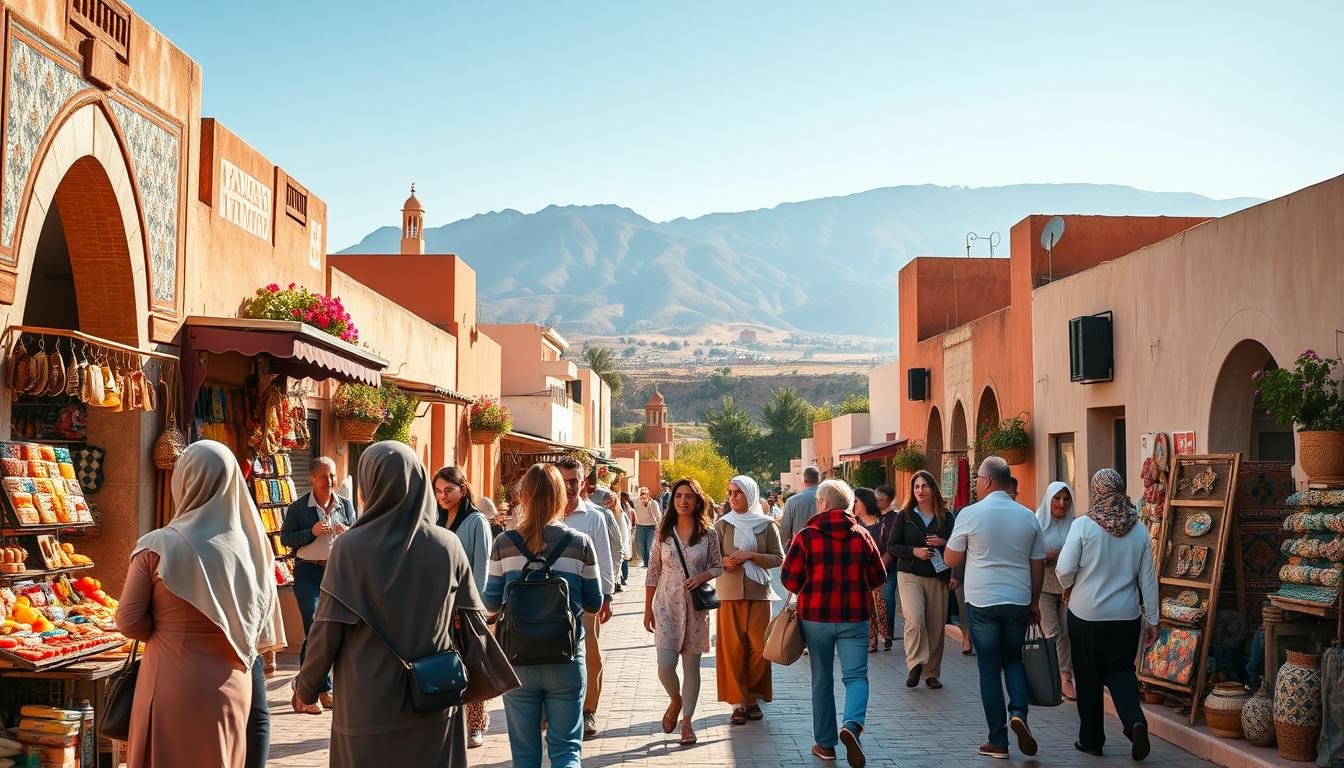
Walking through Morocco’s medinas feels like stepping into history. The scent of exotic spices and the hum of bustling markets create an unforgettable atmosphere that captures the heart of every visitor. But, your dream vacation needs more than just a packed suitcase; it needs awareness and preparation.
Knowing the current security situation is key to a worry-free trip. By checking a reliable Morocco travel guide, you can travel with confidence. Informed preparation is your greatest asset when exploring new places, letting you enjoy the sights without worry.
This guide gives you the Morocco travel advice you need. Whether you’re exploring ancient alleys or relaxing by the coast, staying safe lets you enjoy the local charm. Let’s see how you can have a seamless and enriching trip.
Key Takeaways
- Prioritize staying in accommodations with established security protocols.
- Always keep your identification and essential documents in a secure, hidden location.
- Research local customs to ensure your attire and behavior remain respectful.
- Use only official, registered guides when exploring remote or desert regions.
- Monitor local news sources to stay updated on possible demonstrations or events.
- Ensure your medical insurance includes coverage for emergency evacuation.
Understanding the Landscape of Travel in Morocco Safety
Morocco is seen as a safe place for tourists. Knowing the local safety tips is key. The country is stable, with little political terror, making it a favorite for visitors.
By focusing on travel in morocco safety, you can enjoy the culture and beautiful landscapes. This North African country is a true gem.
General Crime Trends and Tourist Vulnerability
Most visitors have a safe trip. But, it’s good to stay alert. Morocco crime rates are low, but petty theft can happen in crowded places.
Pickpocketing and bag snatching are common. This is more likely in busy medinas and markets. To stay safe, keep your valuables close and avoid showing too much cash.
Being careful in crowded areas helps you avoid theft. With basic caution, you can explore these lively places with confidence.
The Role of the Tourist Police
The Moroccan government takes Morocco tourist safety seriously. They have special police units in major spots. You’ll see them in places like Marrakesh’s medinas.
These officers help tourists and keep order. If you need help, just ask them. Using local support is key to a safe trip in Morocco.
Essential Pre-Trip Preparations and Documentation
Travelers who plan ahead enjoy a stress-free trip. Organizing your tasks early helps you relax and enjoy your journey. Follow these Morocco travel tips to manage your trip smoothly.
Registering with Your Embassy
Registering with your embassy is a key Morocco travel advice. For U.S. citizens, use the Smart Traveler Enrollment Program (STEP). It’s easy and important.
- Get critical security updates and alerts for your destination.
- Let embassy staff reach you quickly in emergencies.
- Get faster help if you lose your passport or face legal issues.
Travel Insurance Requirements
Getting Morocco travel insurance is a must. It protects you from unexpected costs like medical emergencies or trip cancellations.
“The best travel insurance is the one you hope you never have to use, but will be eternally grateful for if the unexpected occurs.”
Make sure your policy covers emergency medical evacuation and high-risk activities. Check that it covers international claims and has 24/7 support.
Digital Copies of Important Documents
Keep your documents safe from loss or theft. Store encrypted copies of your passport, visa, flight itinerary, and insurance in a secure cloud account.
Having these digital copies lets you verify your identity or file a claim if your bag is lost. Proactive planning turns crises into minor issues, so you can enjoy Morocco.
Navigating Moroccan Cities and Public Spaces
Exploring Morocco’s historic cities is an exciting journey. It requires being aware and prepared. The cities’ lively atmosphere is captivating, but staying alert keeps your trip enjoyable. Follow these Morocco travel tips to navigate busy areas confidently.
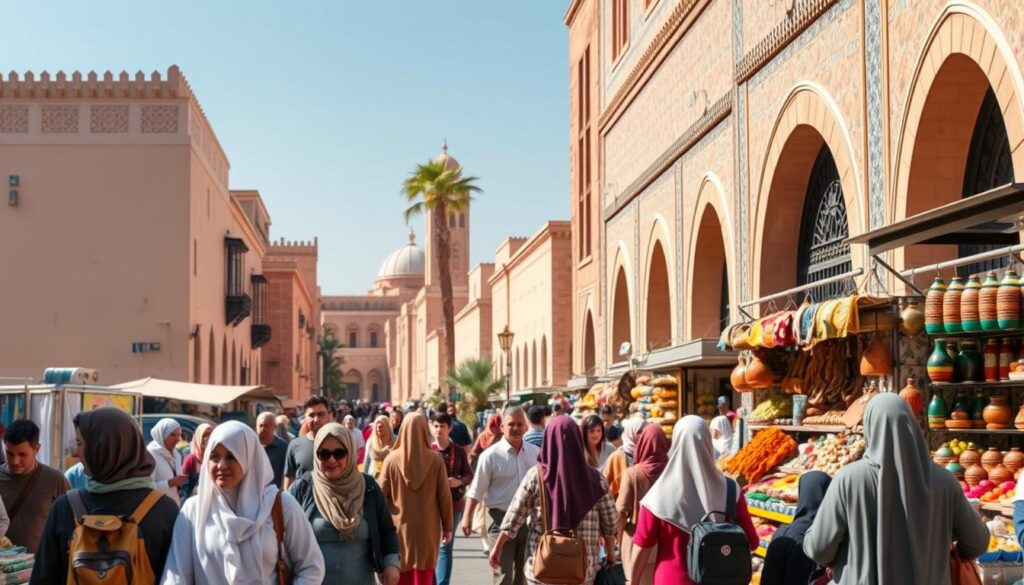
Staying Safe in the Medinas
The medinas of Fez and Marrakesh are known for their complex layouts and lively markets. These areas can be overwhelming for newcomers. To stay safe, use these tips:
- Keep your belongings secure and in front of you at all times.
- Use offline map apps to stay on track without data.
- Be aware of your surroundings, not just your phone or camera.
Avoiding Unofficial Guides and Touts
In tourist spots, you might meet people trying to offer tours or directions. While locals are often friendly, it’s wise to decline these offers. This avoids unwanted pressure or high fees. A good Morocco travel guide advises sticking to your plan and ignoring street peddlers.
If you need help, look for official info centers or ask hotel staff. Saying “no, thank you” firmly but politely works well. Keeping a clear direction helps you avoid uncomfortable situations.
Nighttime Safety and Well-Lit Areas
At night, Moroccan cities change, and it’s smart to adjust your travel plans. Stick to well-lit, busy areas where people are around. This simple Morocco travel guide tip greatly reduces your risk.
Exploring at night? Walk in groups whenever you can. Being aware of your surroundings is key to a safe trip. Choose main streets and avoid dark alleys to enjoy the evening safely.
Transportation Safety and Reliable Transit Options
Traveling in Morocco means making smart choices about how you get around. The right transport keeps you safe and lets you enjoy the views. Knowing how to get around Morocco is key to a safe and fun trip.
Using Official Petit and Grand Taxis
In cities, you’ll see two kinds of taxis. Petit taxis are small and stay in the city. Grand taxis are bigger and go between cities. Make sure your taxi has a clear sign on the roof.
For a petit taxi, always ask the driver to turn on the meter first. If they say no, wait for another taxi. Grand taxis are cheaper and safe for traveling between towns.
Train Travel Safety and Comfort
The national rail network, ONCF, is the best way to see big cities like Casablanca and Marrakech. Trains are comfy, and stations are safe for tourists.
Book first-class tickets for longer trips for more space and quiet. Keep your things close, even when the train stops. Trains are a safe choice for traveling in Morocco.
Renting a Car and Driving Precautions
Renting a car gives you freedom, but you must be careful. Roads are different, from highways to narrow passes. Always drive defensively, as city traffic can be tricky.
Make sure you have good insurance and lock your car when parked. Don’t drive at night, as roads are dark and animals might be on the road. Stay alert and follow local rules to have a safe road trip.
| Transit Mode | Best For | Safety Level | Cost Efficiency |
|---|---|---|---|
| Train (ONCF) | Intercity Travel | High | Moderate |
| Petit Taxi | Within Cities | Moderate | High |
| Rental Car | Rural Exploration | Variable | Low |
| Grand Taxi | Regional Transit | Moderate | High |
Cultural Etiquette and Respectful Interaction
Exploring Morocco’s rich culture means understanding local traditions and social norms. By following Morocco cultural etiquette, you can make real connections and be welcomed by locals. Knowing these social rules shows you’re a responsible and prepared visitor.
Dress Codes and Local Sensitivities
Moroccan society values modesty, more so in rural areas and traditional neighborhoods. Even in cities like Casablanca or Marrakech, it’s wise to cover shoulders and knees. This shows respect and helps you blend in without drawing attention.
Choose breathable fabrics that cover well when packing. Dressing modestly respects the culture and protects you from the sun. For more tips, check our guide on Morocco cultural etiquette.
Religious Customs and Mosque Etiquette
Religion is a big part of daily life in Morocco. Visitors should respect Islamic customs. Most mosques are off-limits to non-Muslims, except for the Hassan II Mosque in Casablanca. Always check signs or ask locals before entering a mosque.
During Ramadan, it’s polite to avoid eating, drinking, or smoking in public during the day. Being mindful of these religious sensitivities shows cultural awareness. Always be quiet and respectful near places of worship.
Photography Ethics and Privacy Concerns
Morocco is a beautiful country, but always ask before taking photos of people. Many locals value their privacy and might not want to be photographed. Never take pictures of military, police, or government buildings, as it’s illegal and can cause serious trouble.
| Action | Recommended Behavior | Avoid |
|---|---|---|
| Public Dress | Modest, loose-fitting clothing | Revealing or tight outfits |
| Photography | Ask permission first | Military or police sites |
| Mosque Visits | Observe from the outside | Entering without permission |
| Social Interaction | Use your right hand | Public displays of affection |
Health Precautions and Medical Preparedness
Good health is key to enjoying your Moroccan trip. Simple steps before and during your visit can help avoid common problems. By following important Morocco health precautions, you can stay safe and healthy.
Water Safety and Food Hygiene
It’s important to drink safe water. Always choose sealed bottled water over tap water. When eating out, pick busy places with fresh food.
- Avoid ice cubes in drinks, as they are frequently made from local tap water.
- Peel your own fruits to ensure the outer skin is free from contaminants.
- Ensure that hot food is served steaming and thoroughly cooked.
Managing Common Travel Illnesses
Even with careful planning, you might get traveler’s diarrhea. A good travel health kit is essential. It should have rehydration salts, antiseptic wipes, and stomach meds.
“Preparation is the silent partner of every successful traveler; having the right supplies on hand turns a minor inconvenience into a crisis.”
If you’re not feeling well, rest and drink lots of water. If symptoms last more than a day, see a doctor. Having Morocco travel insurance helps cover doctor visits without worry.
Accessing Pharmacies and Medical Facilities
Morocco has many pharmacies, marked by a green cross, for minor issues. For serious problems, cities like Casablanca and Rabat have good clinics. These Morocco medical facilities can handle international patients well.
| Facility Type | Service Level | Best For |
|---|---|---|
| Local Pharmacy | Basic/Consultative | Minor ailments and supplies |
| Private Clinic | Advanced/Specialized | Urgent care and diagnostics |
| Public Hospital | General/Emergency | Severe trauma or major surgery |
Always have your insurance info ready, in both digital and physical forms. Knowing where to find Morocco medical facilities helps in emergencies. These steps let you explore Morocco safely and confidently.
Managing Finances and Avoiding Common Scams
Morocco is a welcoming place, but travelers need to stay safe with their money. Knowing how to handle local transactions is key. By taking simple steps, you can keep your money safe and enjoy your trip.
Handling Cash and Currency Exchange
The Moroccan Dirham is the local money. It’s smart to carry small bills for everyday buys. This way, you won’t have trouble with change at small shops.
Exchange your money at official places like banks or exchange offices. These are found in airports and city centers. Don’t use street money changers because they often give bad rates. Keep your cash safe in a hidden money belt, not in a loose wallet.
Recognizing Common Tourist Scams
Morocco crime rates are low, but tourists should watch out for scams. Scammers might offer help or tours that lead to sales pressure. If an offer seems too good, it’s best to say no and walk away.
Be careful in souks where prices might be too high. Always negotiate and don’t feel forced to buy. For more tips, check the updated U.S. travel warnings for Morocco.
Secure ATM Usage Practices
When you need cash, use ATMs inside banks or safe hotel lobbies. Avoid dark or tampered-with machines. Always cover your PIN to keep your info safe.
Check your bank statements often for any odd transactions. If you see something wrong, tell your bank right away. This way, you can keep your money safe during your trip.
| Action | Best Practice | Risk Level |
|---|---|---|
| Currency Exchange | Use official banks | Low |
| ATM Usage | Use indoor, bank-affiliated machines | Low |
| Market Shopping | Negotiate prices firmly | Moderate |
| Street Interactions | Politely decline unsolicited help | Moderate |
Solo Travel Considerations for Men and Women
Morocco solo travel offers a unique view of the country’s culture and history. It’s rewarding but needs a proactive mindset for a smooth journey. Knowing local dynamics helps you move through busy streets with confidence.
Safety Tips for Solo Female Travelers
Dressing modestly helps female travelers blend in and avoid unwanted attention. Wearing loose, covering clothes shows respect for local customs. If harassed, ignore it and walk away confidently.
Stay away from isolated areas at night. Use well-lit streets and official taxis for safer travel. These tips help you enjoy Morocco’s lively cities while keeping your space.
Navigating Social Interactions as a Solo Male
Solo male travelers might face offers from unofficial guides or vendors. Being firm but polite when saying no is key. A simple “no, thank you” usually works.
Be careful in casual chats in cafes or markets. Moroccans are friendly, but keep your boundaries clear. Staying alert lets you enjoy social interactions without risking your safety.
Staying Connected with Family Back Home
Having a reliable communication plan is essential for safe travel. Get a local SIM card or an international plan for constant internet. Regular updates to family members offer a vital support system.
- Share your daily plans or hotel details with a trusted contact.
- Use messaging apps to send quick check-in photos or location updates.
- Keep a list of emergency contacts saved in both digital and physical formats.
Staying connected ensures help is always available if needed. This habit makes your trip safer and less stressful.
Emergency Contacts and Local Support Systems
Traveling through Morocco’s diverse landscapes requires a reliable safety net. Having a list of Morocco emergency contacts is key. It lets you respond quickly to any unexpected situation. This way, you can enjoy your trip with confidence.
Key Emergency Phone Numbers
In urgent situations, knowing the right local numbers is vital. The national police number is 19 in cities. For rural areas, call the Royal Gendarmerie at 177.
For medical emergencies, dial 15 for the ambulance. It’s highly recommended to save these numbers in your phone. Also, keep a physical copy in your wallet.
How to Reach Your Embassy or Consulate
If you face serious legal issues or lose your passport, your embassy is your best support. Most embassies offer 24/7 help for citizens in crisis. Find your embassy’s contact details in Rabat or the nearest consulate before you go.
Registering your travel plans with your government’s embassy website is a valuable safety measure. This way, officials can reach you quickly in emergencies. Always keep your passport info and embassy contact details in a secure digital format.
Utilizing Local Translation Apps and Resources
Language barriers can complicate stressful situations, like talking to local authorities or Morocco medical facilities. Offline translation apps can help. They let you explain your needs clearly when time is critical.
Also, consider carrying a small card with key phrases in Arabic or French. This simple step can greatly help when seeking directions or urgent help. Using these resources keeps you empowered on your journey.
| Service Type | Contact Number | Primary Use |
|---|---|---|
| Police (Urban) | 19 | General security and crime reporting |
| Ambulance | 15 | Accessing Morocco medical facilities |
| Gendarmerie (Rural) | 177 | Emergency assistance outside cities |
| Consular Support | Varies by Country | Legal and travel document crises |
Conclusion
Morocco is a fascinating place with a rich history, vibrant culture, and breathtaking landscapes. To make the most of your trip, focus on staying safe from the beginning.
Getting Morocco travel insurance is a smart move. It protects you from unexpected events. So, you can enjoy the Atlas Mountains or Marrakech’s markets without worry.
Traveling safely in Morocco is doable if you stay informed and mindful. Being prepared is key to a memorable trip.
We invite you to share your travel stories or ask about your plans. Talking with other travelers creates a community that values safety and cultural respect. Your next adventure in North Africa is waiting.