
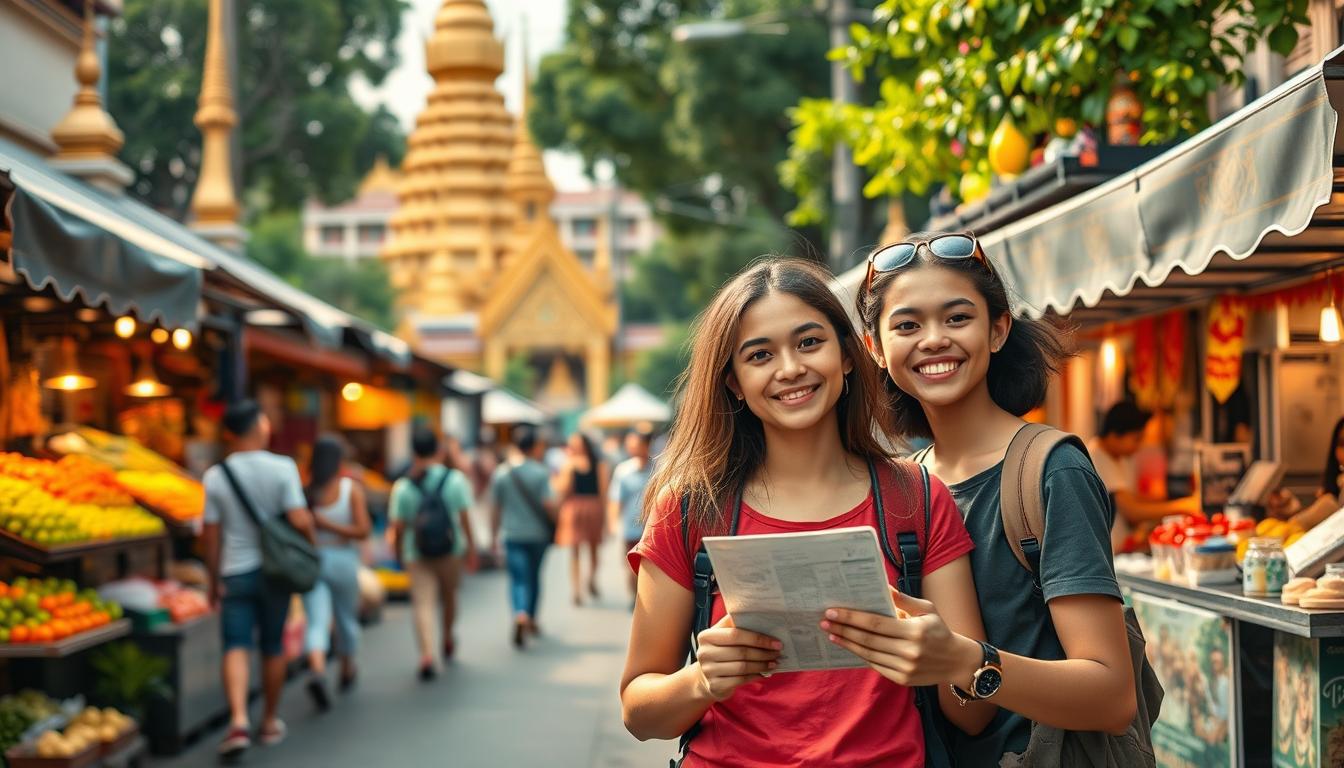
Starting a new adventure in a foreign country can be thrilling and nerve-wracking. You might feel unsure about what lies ahead, which is normal when planning your first big trip abroad. It’s okay to feel thailand travel anxiety as you get ready to leave.
But here’s the bright side: Thailand is very friendly to tourists. With some preparation, you can move through the local culture smoothly. We aim to turn your initial worries into genuine confidence for your trip.
We think that traveling thailand on a budget shouldn’t mean losing your calm. By planning wisely and using trusted resources, you can have a fulfilling trip without breaking the bank. Let us guide you in turning your concerns into a solid plan for success.
Key Takeaways
- Feeling nervous is a normal part of planning.
- Thailand is very welcoming to international visitors.
- Practical preparation can help reduce stress before you go.
- Managing your money well doesn’t have to limit your experiences.
- Expert advice can help you create a safe and fun itinerary.
Strategic Planning for Affordable Thailand Travel
Getting a good deal on affordable Thailand travel starts with picking the right time and managing your money wisely. With careful planning, you can make the most of your budget without missing out on Thailand’s rich culture. By traveling during the best weather, you can also save money.
Choosing the Best Time to Visit
The best time to visit Thailand is from November to March. The weather is cool and dry, ideal for city adventures or beach relaxation. But, this is also the busiest time, which means higher prices for flights and hotels.
If you’re on a budget, consider visiting in April, May, September, or October. These months might have some rain, but you’ll find cheaper places to stay and tour prices drop. Finding the right balance between good weather and saving money is key.
Setting a Realistic Daily Budget
Having a clear spending limit is vital for keeping your finances in check. Your realistic daily budget should cover basics like food, transport, and attraction fees. Don’t forget to save a bit for spontaneous cultural experiences you might find.
Here’s a quick guide to help you plan:
| Season | Weather Conditions | Cost Expectation | Best Time to Visit Thailand |
|---|---|---|---|
| Peak (Nov-Mar) | Cool and Dry | High | Ideal for Sightseeing |
| Shoulder (Apr-May) | Hot and Humid | Moderate | Good for Budget Travelers |
| Low (Jun-Oct) | Rainy Season | Low | Best for Deep Discounts |
Keep track of your spending to stick to your affordable Thailand travel plan. Being flexible is key to enjoying Thailand’s varied landscapes.
Mastering Flight Bookings and Arrival Logistics
Your Thai adventure begins long before you land. It starts with choosing the right flight. Finding budget-friendly airfare helps save money for fun experiences later. This smart start sets a positive tone for your trip.
Finding Budget-Friendly Airfare from the United States
Travelers from the United States should watch flight prices months in advance. Use trusted search engines to compare and find budget-friendly airfare. Being flexible is key to finding cheaper flights.
- Consider flying mid-week to avoid weekend price surges.
- Set up automated price alerts for your preferred travel dates.
- Look into regional hubs if direct flights from your home city are prohibitively expensive.
After arriving, remember that domestic flights are the best way to travel between cities. Booking these flights early can save a lot of money.
Navigating Suvarnabhumi and Don Mueang Airports
Bangkok has two main airports for international flights. Suvarnabhumi Airport (BKK) handles long-haul flights, while Don Mueang Airport (DMK) is for low-cost carriers and regional travel. Knowing this helps avoid stress and additional expenses when you arrive.
Suvarnabhumi Airport is connected to the city by the Airport Rail Link, a fast and cheap option. Don Mueang Airport is best reached by taxi or local bus. Planning your ground transportation ahead ensures a smooth start to your trip.
Essential Tips for Traveling Thailand on a Budget
When traveling Thailand on a budget, picking the right transport and stay is key. You need to balance cost and comfort. Use modern tools and local tips to save more.
Utilizing Local Transportation Networks
A good thailand transportation guide shows the value of using different transport. Taxis are easy but pricey. Try the BTS Skytrain and MRT subway in Bangkok for a cheap, fast ride.
The Grab application is great for local travel. It has clear prices, making travel stress-free. For quick trips, motorbike taxis are the best in busy cities.
Smart Accommodation Choices for Every Traveler
Finding cheap accommodation thailand is easy with online booking. Hostels are perfect for budget travelers, with social vibes and low costs. Many hostels have private rooms too.
Look for places outside tourist areas for better deals. Guesthouses and homestays offer real experiences and save money. Here’s a table to compare costs for different travel and stay options.
| Category | Budget Option | Mid-Range Option | Estimated Savings |
|---|---|---|---|
| Transportation | Public Transit/Grab | Private Taxis | 40% |
| Accommodation | Hostel Dorms | Boutique Hotels | 60% |
| Daily Transit | Walking/Bicycle | Rental Car | 80% |
Eating Like a Local Without Breaking the Bank
Thailand is famous for its amazing food, found on street corners. Eating like a local means you get real meals without spending a lot. You’ll find the best flavors and unbeatable value by choosing where locals eat.
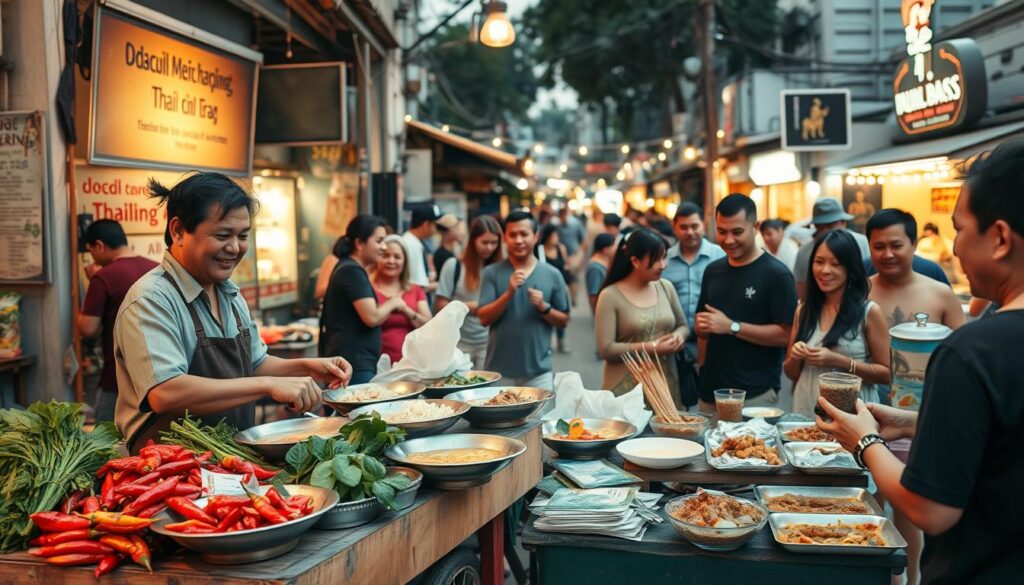
The Art of Street Food Dining
Thailand street food is a big part of the country’s identity. You can find everything from noodle soups to mango sticky rice at any time. Look for stalls with lots of customers to get fresh food.
Hygiene might worry new visitors, but you can make smart choices. Pick stalls where food is cooked right in front of you. This way, it’s hot and fresh. Also, check how clean the cooking area and ingredients are.
Identifying Affordable Markets and Food Courts
Local markets and food courts are great for budget travelers. They offer many dishes at low prices. Most use prepaid cards for easy payments.
Follow the crowds in markets to find the best vendors. These spots are cheap and offer real Thai flavors. Using these places lets you enjoy a diverse culinary adventure without spending a lot.
| Dining Option | Price Range | Atmosphere | Best For |
|---|---|---|---|
| Street Food Stalls | Very Low | Casual/Busy | Quick, authentic snacks |
| Mall Food Courts | Low | Clean/Air-conditioned | Variety and comfort |
| Local Markets | Low | Lively/Traditional | Fresh produce and meals |
| Sit-down Restaurants | Moderate/High | Formal/Quiet | Special occasions |
Choosing local dining options lets you enjoy thailand street food without spending too much. It’s good for your wallet and helps you connect with the local culture.
Navigating Thailand Safely and Securely
Traveling in Thailand can be amazing if you stay alert and ready. The country welcomes visitors, but knowing how to stay safe is key. You can check if is Thailand safe to visit to get ready for your trip.
Understanding Common Tourist Scams
Knowing about thailand tourist scams helps you enjoy your trip more. Scammers might say a temple is closed to take you to expensive shops. Always check with your hotel or official places instead of street vendors.
Transport issues are another worry. Some drivers won’t use meters, so they charge too much. Use apps like Grab for safe and clear prices.
Essential Travel Insurance and Health Precautions
Keeping your health in mind is important in new places. Thailand’s roads are dangerous, so use professional transport. This reduces accident risks.
Be careful of diseases like dengue fever and malaria, more in rural areas. Use good insect repellent and wear long sleeves at dawn and dusk. Also, get thailand travel insurance to be safe.
“Preparation is the most effective tool for ensuring a smooth and secure journey in any foreign country.”
Having thailand travel insurance helps with medical emergencies or travel problems. Use the table below to plan your safety before you go.
| Category | Action Item | Priority Level |
|---|---|---|
| Health | Vaccinations & Repellent | High |
| Transport | Use Ride-Hailing Apps | High |
| Finance | Travel Insurance Policy | Critical |
| Awareness | Verify Local Advice | Medium |
Money Management and Currency Exchange
Traveling in Thailand means mixing old-school cash habits with new digital ease. Good thailand money management lets you enjoy your trip without worrying about money surprises or running out of funds.
Using ATMs and Managing Transaction Fees
ATMs are everywhere in Thailand, making them the best way to get local cash. But, most Thai banks charge a flat fee for international card withdrawals. This can add up fast if you make lots of small transactions.
To cut down on these costs, try withdrawing more money at once. This way, the fee per transaction won’t hurt as much. Always choose to be charged in the local currency (THB) to avoid bad exchange rates from the ATM.
- Notify your home bank of your travel dates to prevent account freezes.
- Carry a backup debit or credit card stored in a separate location.
- Check if your bank offers fee-reimbursement programs for international withdrawals.
Digital Payment Trends in Thailand
The way people handle money in Thailand is changing fast. The country is moving towards a cashless society. Digital payments are getting more popular, even in small shops and markets.
The PromptPay system and QR code payments are now common at most places. You can pay directly from your mobile banking app. While these are mainly for locals, many travelers use digital wallets that work well with local merchants.
Using these digital tools can make your daily spending easier and safer. Staying flexible by having cash for street food and digital for bigger buys is the smart way to travel.
Exploring Northern Thailand on a Shoestring
Exploring the mountainous north is a great way to save money while experiencing rich culture. It’s known for being the best place for affordable Thailand travel. Here, life moves slower and costs are lower than in Bangkok or the south.
For those on a northern thailand budget, your money stretches far. You can explore ancient ruins or try local foods without spending much. The cost of living for visitors is very low.
Budget Highlights in Chiang Mai
Chiang Mai is the cultural heart of the north and is very budget-friendly. You can visit hundreds of free temples or enjoy the night markets where snacks are just a few cents.
- Temple Hopping: Most historic temples in the Old City don’t charge an entry fee.
- Local Markets: Eating like a local saves money, similar to using ingredients creatively at home, like what to make with leftover rotisserie.
- Shared Transport: Use the red songthaews for cheap, shared rides across the city.
Affordable Adventures in Pai
Pai is a scenic valley perfect for backpackers and nature lovers. It’s known for its laid-back vibe and many affordable guesthouses.
Nature lovers can hike to Pai Canyon or swim in natural hot springs for a small fee. Renting a scooter is the cost-effective way to see waterfalls and rice paddies. Eating at local spots instead of tourist cafes helps keep your affordable Thailand travel dreams alive.
Coastal Escapes and Island Hopping for Less
Visiting the beautiful beaches of Thailand’s coast is a must for many. You can have an affordable Thailand travel experience by choosing the right places and planning well.

Selecting Budget-Friendly Islands
Not all islands are the same price. Some are for luxury, while others are great for those on a budget. Koh Lanta and Koh Chang are perfect for a calm getaway without spending too much.
These islands have many affordable places to stay and eat. You can enjoy beautiful beaches and clear waters without breaking the bank. Picking the right island is key to a great trip.
Low-Cost Ferry and Transit Options
Getting around the coast needs a good thailand transportation guide to save money. Most people use buses, minivans, and ferries to get to the islands. Booking tickets locally or on official websites can be cheaper than international sites.
Here are some tips for thailand island hopping:
- Take shared minivans for mainland travel to save on taxis.
- Look for the best ferry deals at the pier.
- Travel in the shoulder season for cheaper prices on everything.
Plan your trips ahead to avoid high prices. Using local ferries keeps your budget in check while you explore Thailand’s seas. Sticking to your plan makes your coastal trip both fun and affordable.
Cultural Etiquette and Respectful Tourism
Respectful tourism in Thailand starts with valuing local customs and traditions. By focusing on thailand cultural etiquette, travelers can have positive interactions. This approach ensures their visit benefits the communities they see.
Being humble and open-minded is key for a responsible traveler. This mindset is essential for respectful tourism.
Temple Visit Guidelines
Temples, or wats, are sacred places that need respect. Visitors should wear modest clothes, covering shoulders and knees. It’s important to remove your shoes before entering a temple building.
Inside, be quiet and avoid pointing at Buddha statues or monks. This is seen as very rude. Always bow lower than monks if you pass them. These actions show deep respect for Thailand’s spiritual heritage.
“The beauty of travel lies not just in the sights we see, but in the respect we show to the cultures that welcome us.”
Interacting with Local Communities
Connecting with locals begins with the traditional wai, a gentle bow. While perfecting this gesture is not required, a polite nod and smile are appreciated. Understanding “saving face” is also important, as calmness is valued in Thai society.
Here are some tips for respectful interaction:
- Avoid public displays of anger or loud behavior, as this causes discomfort for everyone involved.
- Always ask for permission before taking photographs of individuals, specially in rural areas.
- Support local artisans and vendors by purchasing goods directly from community-run markets.
By following thailand cultural etiquette consistently, you help create sustainable tourism. Your efforts to learn and adapt will be welcomed warmly. This makes your journey through Thailand more rewarding and true to the culture.
Packing Essentials for a Budget Trip
Traveling to Thailand on a budget means packing smart. Choose versatile and lightweight items to avoid extra fees and move easily. These thailand travel tips help you stay ready for any weather and activities without spending too much.
Lightweight Gear and Clothing Strategies
For packing for thailand, pick breathable fabrics that dry fast. The tropical weather means you’ll change clothes often. But, you don’t need a huge wardrobe. Affordable laundry services in local towns let you wash clothes as needed.
Opt for a high-quality, carry-on backpack to dodge checked baggage fees. It keeps your stuff safe and lets you zip through transit quickly. Don’t forget a light rain jacket or umbrella for sudden showers.
Must-Have Tech and Safety Accessories
Staying connected and safe is key for safe travel in thailand. A good power bank is essential for using your phone all day. Carry a universal travel adapter to keep your devices charged in different places.
Choose ethical options for your adventures. Skip elephant rides in the north and visit ethical sanctuaries instead. A small, sturdy dry bag is great for keeping electronics safe on trips.
| Category | Essential Item | Budget Benefit |
|---|---|---|
| Clothing | Quick-dry fabrics | Reduces laundry costs |
| Tech | Universal adapter | Avoids buying local chargers |
| Safety | Money belt | Prevents theft and loss |
| Gear | Reusable water bottle | Saves on daily plastic purchases |
Staying Connected While Traveling
Whether you’re a casual tourist or a digital nomad Thailand, web access is key. It helps you navigate cities, manage bookings, and keep in touch with family. Knowing how to get internet while traveling makes your trip smoother.
Local SIM Cards and eSIM Options
Buying a local SIM card is a cost-effective way to stay online. AIS, DTAC, and TrueMove offer tourist packages at airports and stores. These cards give you fast data for heavy use.
eSIM technology is another option for newer devices. You can start your plan digitally before arriving, skipping the need for physical cards. It’s great for digital nomads Thailand who want easy transitions.
Finding Reliable Wi-Fi on the Go
Thailand has great public internet access. Cafes, malls, and hotels often offer free Wi-Fi. It’s highly recommended to check the speed if you’ll be working online.
Public Wi-Fi is handy, but safety comes first. Use a Virtual Private Network (VPN) for extra security on hotspots. With local data plans and safe Wi-Fi habits, your connection will be worry-free on your travels.
Conclusion
Exploring Thailand well needs careful planning and a bit of spontaneity. Smart money habits help your budget last the whole trip.
A good traveling thailand on a budget plan lets you enjoy the culture without worrying about money. Having a little extra for surprises like ATM fees keeps you relaxed.
Using these professional thailand travel tips makes your trip smooth. You can find hidden spots and keep your spending in check.
Good planning is key for a great trip. Use these tips to make your journey in Thailand both fun and affordable.