

Nearly 30 million people sail each year, yet many travelers feel overwhelmed by their first cruise. Many itinerary choices, cabin types, and onboard features can make planning feel hard. Successful cruise vacation planning starts with your preferences before you compare complex fares.
Whether you dream of tropical escapes or coastal adventures, prepare before you learn how to plan your first voyage in under 30 minutes. Digital tools and expert resources can guide you. This guide helps you manage key documents, insurance, and timing with confidence.
Key Takeaways
- Define your travel goals early to select the perfect itinerary and ship atmosphere.
- Use mobile apps to streamline check-in, dining reservations, and daily activity schedules.
- Review cabin categories carefully to balance your budget with desired comfort levels.
- Prioritize travel insurance to protect your investment against unexpected changes.
- Complete your documentation and packing list well before the embarkation date.
Start With the Cruise Experience You Actually Want
Choose a vacation by first picturing your ideal pace and atmosphere. Before selecting a cruise itinerary, consider what makes travel memorable. New cities or quiet seas can shape your journey’s success.
Match the Trip to Your Travel Style
Your travel style guides your planning. For first-time travelers, a four- to five-night Caribbean sailing offers a perfect introduction to life on the water. These shorter trips balance beach time and onboard entertainment without demanding much time.
A Mediterranean route suits travelers who enjoy history, art, and world-class cuisine. These trips often visit iconic coastal cities, where you can explore ancient ruins by day and enjoy fine dining by night. Always organize your trip expenses today so your budget matches your travel goals.
Choose Between Ocean Cruises and River Cruises
Understanding ship types helps create a smooth experience. Ocean cruises usually feature large, resort-style ships with many amenities, including theaters, multiple pools, and varied dining options. These vessels travel broad regional routes across the globe.
River cruises focus on inland scenery and close access to smaller ports. Their smaller ships can dock in historic town centers that larger vessels cannot reach. Choose based on your preference for grand facilities or direct access to local culture.
Decide Whether You Want Relaxation, Adventure, or Both
Many travelers think they must choose between a restful and active vacation. A relaxing trip can include thrilling moments of adventure. You might spend your morning hiking or snorkeling in port, then lounge by the pool with a book all afternoon.
Modern ships support both styles with fitness centers, water sports, and cultural excursions. Define your ideal balance early. Then choose a ship with amenities that help you recharge and satisfy your curiosity.
Book a Cruise That Fits Your Schedule
Effective cruise vacation planning requires more than picking a destination. It also requires a close look at your calendar. Balance work, travel, and recovery time for a smoother trip.
Compare Cruise Lengths and Vacation Time
First-time travelers often find that three- to five-day trips offer a great introduction to life at sea. These shorter itineraries fit more easily into a standard work week. However, longer voyages require careful planning around work and personal duties.
- Short Cruises: Ideal for quick getaways and testing your sea legs.
- Longer Voyages: Require advanced planning for extended time off.
- Recovery Time: Always factor in at least one day at home before returning to work.
Understand Embarkation and Disembarkation Dates
Your ticket dates show when you board and leave the ship, not your full travel window. Check local times at your departure port and arrive well before sailing. Embarkation day is busy, and missing your window may leave you behind.
Disembarkation day also requires careful attention to flight schedules. Ships often return early, but customs and terminal exit may take several hours. Avoid booking early morning return flights to prevent unnecessary panic.
Build in Extra Time Around Your Sailing
Experienced travelers know that adding a buffer day before your cruise creates the best start. This time allows for travel delays, lost luggage, or fatigue from reaching the port city.
Why arriving near the departure port the day before can reduce stress
Arriving a day early turns your embarkation day into a calm transition instead of a frantic race. Enjoy a local dinner, sleep well, and reach the terminal refreshed. This buffer protects you from airline cancellations or weather disruptions beyond your control.
When a same-day flight is especially risky
Flying in on departure day is risky, especially during winter or peak hurricane season. A delay of even a few hours may bring you to the terminal after the gangway is pulled. Always prioritize peace of mind by arriving the day before your sailing.
Choose the Right Cruise Line and Ship
Choosing the right cruise line matters most when planning your first cruise. Each company offers a distinct atmosphere, from lively family fun to quiet luxury. Knowing these differences helps match your vacation with your expectations.
Compare Cruise Lines by Atmosphere and Service
Cruise lines often serve specific groups through their service and onboard culture. Some favor traditional dining and formal nights, while others offer flexible, casual experiences. Researching the target audience helps you understand the typical age range and onboard mood.
Service styles differ greatly among operators. You may want personal staff attention or technology that makes daily tasks easier. Check whether dining uses fixed times or open seating, since this choice affects daily comfort.
Consider Ship Size, Age, and Onboard Layout
The physical features of a cruise ship can strongly affect your satisfaction. Large, modern vessels often have huge water parks, dozens of restaurants, and many entertainment venues. They offer great variety but may require long walks between areas.
Smaller or older ships often feel more intimate and are easier to navigate. However, they may lack the newest amenities and high-tech features. Renovation history matters because many older ships receive updates that help them compete with newer fleets.
Look Beyond the Marketing Photos
Promotional images show a vessel’s best features, but rarely reveal crowded pool decks or long buffet lines. Use independent sources to learn what the cruise ship is really like. Balanced research is the best way to prepare for your first cruise.
How to evaluate recent passenger reviews
Look for repeated patterns instead of isolated complaints. If several travelers report poor cleanliness or slow service, the problems may be systemic. Read reviews from the last six months to learn about the current state of the cruise line.
What deck plans can reveal before you book
Deck plans show your cabin’s location compared with the rest of the ship. They can reveal rooms below noisy nightclubs or beside busy elevator banks. Studying these diagrams lets you choose a location that offers peace and quiet throughout your journey.
Pick an Itinerary With Ports You Will Enjoy
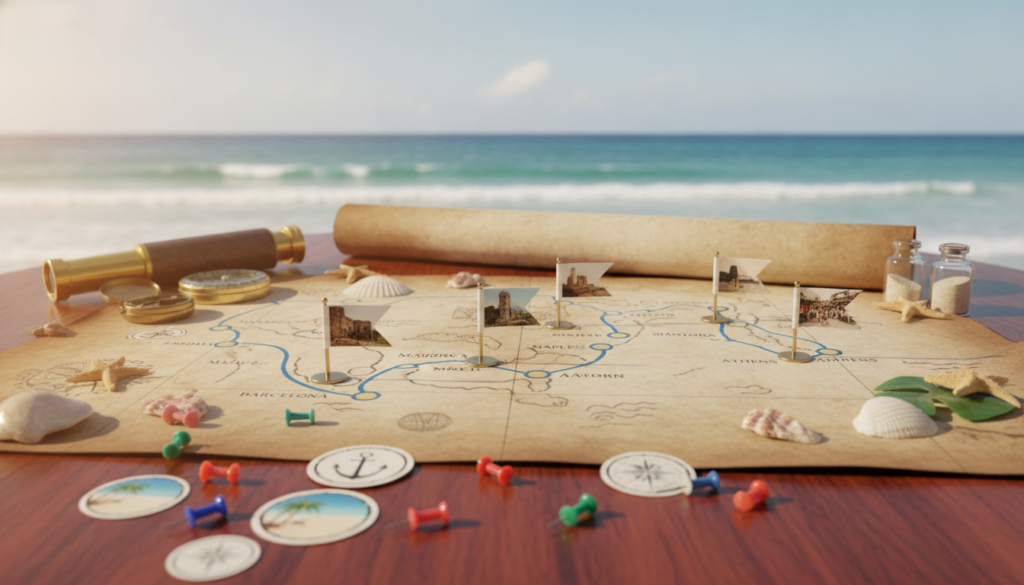
Planning the perfect cruise itinerary means balancing your interests with each port’s schedule. Many travelers choose a voyage by its number of stops, but quality usually matters more than quantity.
Prioritize Destinations Over a Long List of Stops
Choose places you truly want to explore for a more satisfying vacation. A ship visiting six ports in seven days may leave you rushed and tired. Instead, select routes that give you meaningful time in places matching your interests.
Compare Popular Regions for Different Types of Travelers
Each region offers unique experiences for different travel styles. Understanding these differences can help you narrow your choices.
Caribbean cruises for beaches and easygoing days
These sailings suit travelers seeking relaxation and sun. They offer clear waters, white sand beaches, and a relaxed setting that helps you escape daily stress.
Alaska cruises for scenery and wildlife
If you prefer nature over nightlife, Alaska is hard to match. You can see massive glaciers, spot whales, and enjoy the wild’s rugged beauty aboard ship or during guided land tours.
Mediterranean cruises for history, food, and culture
Travelers who enjoy ancient ruins, world-class museums, and varied food traditions will thrive here. These trips often require plenty of walking to appreciate the historic sites fully.
Check Port Times, Sea Days, and Tender Ports
Before booking, review the specific details of your chosen route. Port calls differ, and your time ashore can vary greatly.
- Port Times: Check if you have a full day or just a few hours in each location.
- Sea Days: These provide a necessary break to enjoy the ship’s amenities.
- Tender Ports: Some locations require small boats to ferry passengers to shore, which can add time and complexity to your day.
When planning your shore excursions, research local transportation and travel distances. Watch the ship’s departure time because missing the boat can ruin your day. Review return policies for independent activities to travel with confidence.
| Region | Primary Focus | Activity Level |
|---|---|---|
| Caribbean | Beaches & Relaxation | Low to Moderate |
| Alaska | Nature & Wildlife | Moderate |
| Mediterranean | History & Culture | High |
Choose a Cabin Without Overpaying
Choosing the right cabin is a key part of planning your cruise vacation. Destinations matter, but your stateroom becomes your private space during the journey. An informed choice helps you enjoy the cruise ship without overspending.
Understand Inside, Oceanview, Balcony, and Suite Cabins
Cruise lines offer room categories for different travel styles and budgets. Understanding these choices helps you focus on your comfort.
- Inside Cabins: These are the most budget-friendly options. They lack windows, making them perfect for travelers who plan to spend most of their time exploring the ship or ports.
- Oceanview Cabins: These rooms feature a window or porthole, providing natural light and a view of the sea.
- Balcony Cabins: These offer private outdoor space, allowing you to enjoy fresh air and ocean views directly from your room.
- Suites: These provide extra square footage, premium amenities, and often include priority services for a more luxurious experience.
Use the Deck Plan to Avoid Unwanted Noise
Before booking, review the official deck plan from the cruise line. This map shows what sits above, below, and beside your possible room. Strategic planning can help prevent sleepless nights from unexpected noise.
Balance Cabin Location With Your Budget
Your cabin location can strongly shape your cruise experience. Some travelers want action nearby, while others prefer peace and quiet. After choosing your room, check your ultimate packing checklist for your room type.
Cabins near elevators, theaters, pools, and engine areas
Rooms near busy areas often have more noise. Elevators, theaters, and pool decks attract crowds and may stay loud day and night. Engine rooms and service corridors can also cause vibrations or mechanical noise.
Benefits of a midship cabin for travelers prone to motion sickness
If ocean movement bothers you, choose your cabin location carefully. A midship cabin is usually the most stable area on a cruise cabin deck. Near the ship’s center of gravity, it sways less during rough seas.
| Cabin Type | Best For | Key Advantage |
|---|---|---|
| Inside | Budget Travelers | Lowest Price |
| Balcony | Relaxation | Private Outdoor Access |
| Suite | Luxury Seekers | Extra Space & Perks |
Build a Realistic Cruise Budget
Building a comprehensive cruise budget helps keep your time at sea stress-free. Do not focus only on the starting price. Review the entire cost to avoid surprises.
Separate the Cruise Fare From the Total Trip Cost
Separate your base cruise fare from the extra costs that complete your vacation. The base price rarely covers every part of your journey.
“The secret to a successful vacation is not just finding the lowest price, but understanding exactly what you are paying for before you leave home.”
View your trip as several financial categories. This approach gives you control over spending and helps you prioritize important experiences.
Account for Taxes, Port Fees, Gratuities, and Travel Insurance
Beyond the base price, include government taxes and port fees. These costs often stay out of advertised cruise deals and may add hundreds of dollars.
Remember daily gratuities, which most major cruise lines charge. Reliable travel insurance protects your investment from unexpected cancellations or medical emergencies.
Estimate Common Onboard and Port Expenses
Your spending habits onboard will affect the final cost. Group possible expenses to keep your finances under control.
Drinks, specialty dining, Wi-Fi, and shore excursions
Basic meals are included, but many travelers upgrade their experience. Specialty dining, premium drinks, and high-speed internet can quickly increase your total.
Transportation, hotels, and meals before and after the cruise
Your vacation starts when you leave home. Budget for flights, pre-cruise hotel stays, and ground transportation to the port.
See this guide on first-time cruise tips and real costs.
Compare the Final Price Rather Than the Advertised Fare
Smart travelers compare the final trip price instead of low introductory cruise fare offers. An attractive price may hide the vacation’s true cost.
| Expense Category | Included in Base Fare | Additional Cost |
|---|---|---|
| Main Dining | Yes | No |
| Specialty Dining | No | Yes |
| Port Fees | No | Yes |
| Basic Entertainment | Yes | No |
Always add a financial buffer to your cruise budget for unexpected changes. Extra funds can cover weather delays or an impulsive shore excursion, keeping your trip relaxing.
Know What Is Included Before You Pay
Before you finalize your booking, review what your cruise fare covers. Many travelers think their vacation includes every cost, but it rarely does. Read the details now to avoid surprises onboard.
Review Meals, Entertainment, and Basic Activities
Most cruise lines include standard dining, such as the main dining room and buffet, in the base cruise fare. Nightly theater shows, pool access, and youth clubs are also usually free. Specialty restaurants and some high-end production shows may need an added cover charge or reservation fee.
Identify Optional Packages and Their Restrictions
Cruise lines offer add-ons that can improve your trip. Packages often include drinks, unlimited Wi-Fi, and curated shore excursions. These packages may have specific restrictions, such as daily drink limits or device limits for internet access.
Read the Fare Rules and Cancellation Terms
Read your booking terms as carefully as the price. Every cruise fare has rules for changes and cancellations. You must accept these rules before payment.
Nonrefundable fares versus flexible bookings
Many cruise lines offer nonrefundable and flexible rates. A nonrefundable fare often costs less but locks in your travel dates. A flexible booking allows changes or cancellations and may provide future cruise credit if plans change.
Deposit deadlines and final payment dates
Mark key dates on your calendar, and pay your deposit by the deadline to secure your cabin. The final payment date is usually 60 to 120 days before departure. Missing these dates can automatically cancel your reservation.
| Feature | Nonrefundable Fare | Flexible Booking |
|---|---|---|
| Initial Price | Lower Cost | Higher Cost |
| Cancellation | Loss of Deposit | Refundable/Credit |
| Date Changes | Restricted | Permitted |
| Best For | Certain Travelers | Uncertain Plans |
Book a Cruise With the Right Timing and Tools
To book a voyage, use smart timing and helpful digital tools. When you decide to book a cruise, compare platforms to find the best value.

Compare Cruise Prices Across Reliable Booking Channels
Travelers can book directly with a cruise line or use a third-party agency. Direct booking gives you a clear contact for changes, while agencies may offer special perks or bundled packages.
Always check the final price, including taxes, port fees, and gratuities. Compare totals across platforms to find the most transparent offer.
Understand When Cruise Deals May Appear
Finding great cruise deals often depends on flexible travel dates. Off-peak seasons, such as late autumn or early spring, often have lower fares than major holidays.
Early booking works well for popular itineraries, while last-minute openings may offer significant savings. A dedicated cruise app can track price changes in real time.
Decide Whether to Use a Travel Advisor
A professional travel advisor supports your vacation plans. They offer personal insights that automated websites cannot provide.
When expert help can simplify flights, hotels, and transfers
Managing an itinerary with international flights and pre-cruise hotel stays can feel overwhelming. An advisor coordinates these moving parts, so your transfers match your ship’s departure schedule.
Questions to ask before working with an advisor
- What specific fees are associated with your booking services?
- Do you have experience with this particular cruise line or region?
- Can you assist with booking shore excursions or specialty dining?
- What is your process for handling cancellations or emergency changes?
Save Every Confirmation and Payment Record
Organization helps create a stress-free departure. Keep a digital or physical folder with reservation numbers, payment receipts, and fare rules.
Keep copies of your itinerary and pre-booked activity confirmations. Easy access to these documents prevents confusion during embarkation.
| Booking Method | Best For | Key Advantage |
|---|---|---|
| Direct Booking | Loyalty members | Direct communication |
| Travel Advisor | Complex trips | Personalized support |
| Online Agency | Budget hunters | Exclusive discounts |
Plan Flights, Hotels, and Transfers Around the Sailing
Moving from home to the cruise terminal smoothly helps your vacation start well. The ship is the main event, but reaching it takes careful planning. A well-coordinated plan lowers stress and keeps your travel schedule on track.
Choose a Safe Arrival Window Before Embarkation
Arriving on the same day as your cruise can be risky. Flight cancellations or mechanical problems can make you miss your embarkation day. Fly into your departure city at least one full day before the ship sails.
Arrange Airport, Hotel, and Port Transportation
After arrival, you must travel between the airport, hotel, and cruise terminal. Many travelers book hotels with shuttle service to the port. Alternatively, a professional travel advisor can arrange private cars or shared transfers for a smooth trip.
Plan for Delays and Disruptions
Even careful travelers may face severe weather or lost luggage. A buffer day gives you time to handle these problems without missing departure. Stay flexible and keep your contact information updated with the cruise line for real-time alerts.
Why separate flight and cruise bookings require extra caution
When you book flights independently, you manage your own arrival. If a flight delay makes you miss the ship, the cruise line need not wait or pay compensation. Extra time is a key safety measure for independent travelers.
How travel insurance can protect the larger trip
Comprehensive travel insurance protects your entire vacation investment. It may cover non-refundable costs after a covered delay or cancellation. Review your policy terms to know what your plan protects before leaving home.
| Booking Method | Flexibility | Risk Level | Support |
|---|---|---|---|
| Cruise Line Air | Low | Minimal | High |
| Independent Booking | High | Moderate | Limited |
| Travel Advisor | High | Low | Excellent |
Prepare Documents, Packing, and Health Details
A successful vacation begins before you board the ship. Organizing your documents and belongings makes the trip from home to sea smooth and stress-free.
Check Passport, Visa, and Identification Requirements
Before finalizing travel plans, verify all passport and visa requirements for each destination. Some countries require transit visas for international waters, even if you do not leave the ship. Review your ultimate international travel checklist for 2024 to stay organized and avoid missed details.
Complete Online Check-In and Required Forms
Most modern cruise lines use a dedicated cruise app to make boarding easier. Complete online check-in early to choose arrival times and submit required health declarations. Always check your emergency contact and identification details to prevent pier delays.
Pack for the Ship, Ports, and Formal Nights
A balanced cruise packing list helps you stay comfortable in changing climates. Pack versatile layers for sea days, walking shoes for shore excursions, and elegant clothes for formal evenings. Check your cruise line’s dress code, which can differ between luxury and family-oriented ships.
Carry-on essentials for the first hours onboard
Checked luggage may take several hours to reach your cabin after embarkation. Pack documents, chargers, a swimsuit, and essential toiletries in your carry-on bag. These items let you enjoy the pool or lunch without waiting for your suitcases.
Medications, mobility needs, and dietary requests
If you have health needs, keep all required medications in their original packaging inside your hand luggage. Contact the cruise line well in advance to arrange mobility aids or submit dietary requests. Proactive communication helps staff meet your needs from the moment you board.
Review Current Health and Safety Guidance
Stay informed about current health protocols before departure. Check the official cruise app regularly for safety updates and boarding procedure changes. Proper documents and health information let you focus on your upcoming adventure.
| Category | Essential Items | Purpose |
|---|---|---|
| Documents | Passport, Boarding Pass, Visas | Legal entry and boarding |
| Health | Prescriptions, First Aid, Sunscreen | Personal wellness and safety |
| Clothing | Formal wear, Swimwear, Walking shoes | Versatility for all activities |
| Electronics | Phone charger, Power bank, Adapters | Connectivity and convenience |
Make Embarkation and Life Onboard Easier
Your first cruise should start with confidence when you reach the terminal. A clear plan for embarkation day can ease stress during your exciting vacation. Follow a few simple steps, then settle into your trip as a relaxed guest.
Follow the Cruise Line’s Arrival Instructions
Cruise lines set arrival windows to manage passenger flow through the terminal. Arrive during your assigned time to avoid long lines and enjoy smoother check-in. Punctuality helps you manage the busy port environment.
Keep Essential Items Accessible on Embarkation Day
Your checked luggage may not reach your cabin until late evening. Keep a small carry-on bag with your essential items. Pack your passport, boarding documents, prescription medications, and preferred valuables.
“The secret to a stress-free journey is not in controlling every minute, but in being prepared for the moments that don’t go as planned.”
Reserve Popular Activities Before or Shortly After Boarding
Most major lines offer a dedicated cruise app for managing your trip. It lets you check in, view daily schedules, and book dining experiences. Use it to reserve your preferred shore excursions before they sell out.
If you wait until boarding, visit guest services or use onboard kiosks right away. Popular activities often fill within the voyage’s first few hours.
| Task | Best Time | Tool |
|---|---|---|
| Check-in | Before arrival | Cruise App |
| Dining Reservations | Pre-cruise | Cruise App |
| Shore Excursions | Pre-cruise | Website/App |
| Spa Appointments | Embarkation Day | Onboard Kiosk |
Stay Flexible When Weather or Port Changes Affect the Plan
Even careful plans can change because of weather or port adjustments. Stay flexible and treat these changes as part of the adventure, not a disruption. Do not fill every hour of your first cruise with strict plans.
Leaving room for spontaneity lets you enjoy themed parties, rest by the pool, or explore the ship. Your goal is to return home refreshed, not exhausted by a packed schedule.
Conclusion
Great travel starts with a clear picture of your ideal getaway. Matching your style with the right ship and destination brings peace of mind before you board.
Smart cruise vacation planning means looking beyond the base fare to find your trip’s total cost. Reviewing your travel documents, securing suitable insurance, and timing transportation carefully protect your investment from unexpected disruptions.
You can book a cruise with confidence by using mobile apps and keeping reservations in one organized file. These simple steps ease the process and reduce stress from last-minute logistics.
A carefully chosen cruise itinerary lets you focus on the experience, not the details. Good preparation gives you more time to enjoy the ship, explore new ports, and embrace spontaneous moments that make travel memorable.