
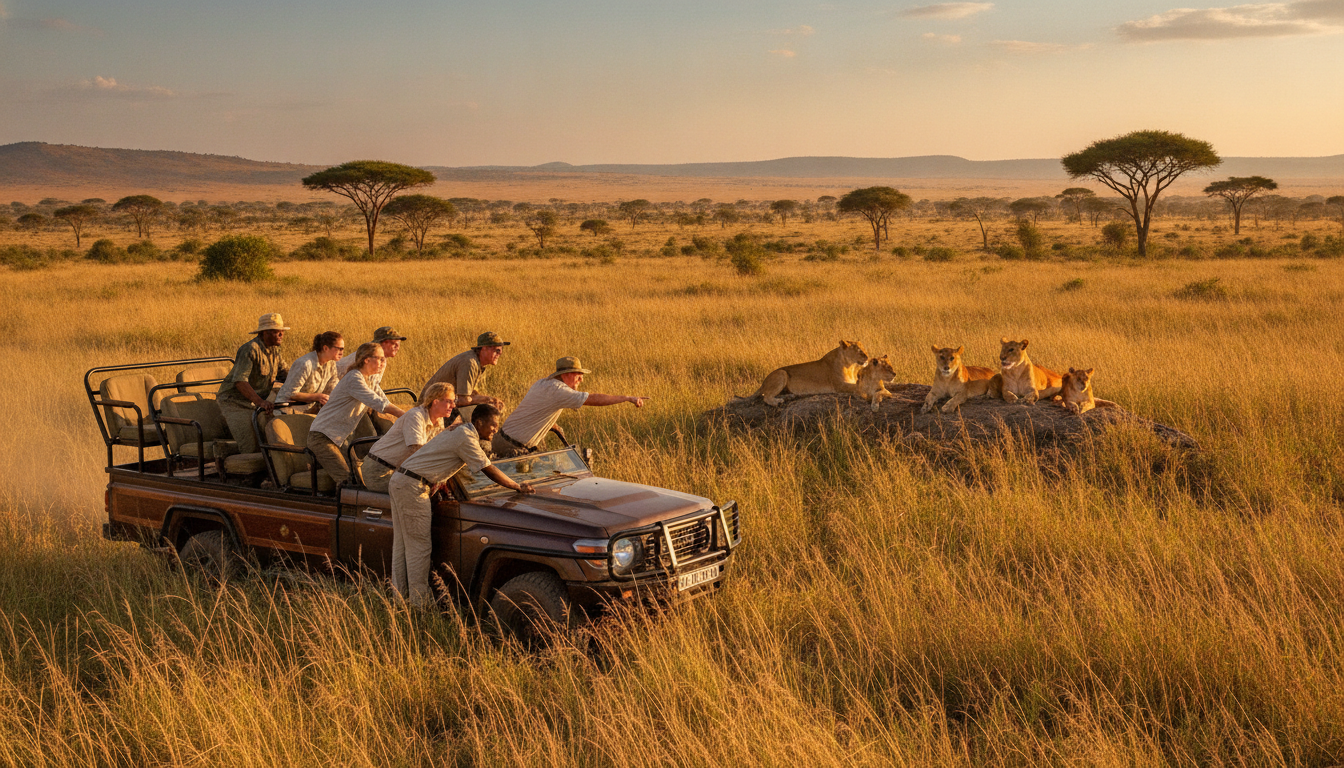
Over 25,000 large mammals roam the Maasai Mara plains every day. This high wildlife density makes the region ideal for nature lovers. Whether you are new or experienced, choosing the right Kenya safari packages helps create a smooth journey.
These trips offer more than views of the Big Five. You can see Mount Kilimanjaro’s dramatic landscapes or learn about Samburu traditions. For a clear plan, review this 7-day Kenya safari itinerary for an unforgettable adventure.
Choosing among Kenya safari tours requires careful thought. Do not choose only by the advertised price. Instead, consider your guide’s quality, your lodge’s comfort, and your wildlife goals.
True value comes from an experience that fits your personal travel style.
Key Takeaways
- Focus on the quality of the guide and accommodation rather than just the lowest price.
- The Big Five—lions, leopards, elephants, buffalo, and rhinos—can be spotted year-round.
- Cultural visits to local communities provide a deeper understanding of the region’s heritage.
- Flexible itineraries allow families and couples to tailor their wildlife viewing experiences.
- Planning ahead ensures you secure the best lodges during peak travel seasons.
Find the Right Kenya Safari Packages for Your Travel Style
Your dream journey through the African wilderness starts by choosing a safari package that fits your comfort and budget. Kenya offers many experiences, from rugged adventures to high-end retreats. Knowing your priorities helps make your trip rewarding and comfortable.
Classic Big Five Safaris for First-Time Visitors
For first-time visitors to Kenya, a classic itinerary is often the best choice. These packages focus on the iconic Big Five: lions, leopards, elephants, buffalo, and rhinos. They follow well-known routes that guarantee high-quality wildlife sightings and introduce travelers to the savanna.
Luxury Kenya Safaris With Premium Lodges and Private Guides
A luxury Kenya safari offers greater comfort and privacy. Travelers stay in premium lodges or boutique tented camps with gourmet dining and stunning views. A private guide creates a flexible schedule, so you can watch rare wildlife without group limits.
Budget-Friendly Group Tours and Comfortable Midrange Trips
If you want value, a budget Kenya safari helps you explore parks without overspending. These tours often use shared transportation and comfortable, reliable lodges. Small groups let you share fuel and park fees while enjoying a professional, guided experience.
Family-Friendly Safaris With Flexible Pacing
Families often need a different plan to keep everyone happy and engaged. These packages favor shorter drives between destinations and lodges with family amenities, such as swimming pools. Flexible schedules let parents adjust activities to their children’s energy levels.
Private, Honeymoon, and Photography-Focused Journeys
Specialized trips serve travelers who need privacy or specific technical support. Honeymooners often choose secluded camps with romantic sundowners and intimate dining. Photography enthusiasts benefit from vehicles with modified roofs and guides who understand the patience needed for perfect shots.
| Safari Style | Best For | Key Benefit |
|---|---|---|
| Classic | First-timers | Reliable wildlife sightings |
| Luxury | Discerning travelers | Maximum comfort and privacy |
| Budget | Cost-conscious explorers | High value and social interaction |
| Family | Parents with children | Flexible, relaxed pacing |
Top Kenya Safari Destinations Worth Building Into Your Itinerary
Planning a balanced itinerary starts with knowing the special character of Kenya’s famous parks. Each region has a different ecosystem, so your Kenya safari destinations offer varied views of East African wildlife. Careful planning creates a memorable trip, whether you seek the thrill of the hunt or a peaceful mountain view.
Masai Mara National Reserve for Big Cats and the Great Migration
The Masai Mara is arguably the world’s most famous wildlife sanctuary. It is the premier choice for travelers hoping to witness the Great Migration, where millions of wildebeest and zebras cross the plains. A Masai Mara safari guarantees many predator sightings, including lions, leopards, and cheetahs.
When to Visit for Migration Crossings and Resident Wildlife
Plan your visit between July and October to witness the dramatic river crossings. During these months, herds gather in the reserve’s northern regions. However, the Mara remains an excellent destination year-round because of its abundant resident wildlife.
Choosing Between the National Reserve and Conservancies
The main National Reserve offers a classic, busy safari experience with many vehicles. In contrast, private conservancies provide a more exclusive atmosphere with fewer tourists. Conservancies also allow off-road driving and guided night walks, which the main reserve strictly prohibits.
Amboseli National Park for Elephants and Mount Kilimanjaro Views
Amboseli is world-renowned for its massive elephant herds, which roam before Mount Kilimanjaro. The park’s open plains make wildlife easy to spot, even from a distance. It is a must-visit for photographers seeking the perfect shot of Africa’s highest peak.
Tsavo East and Tsavo West for Vast Landscapes and Diverse Wildlife
Tsavo is one of the world’s largest protected areas, split into two distinct sections. Tsavo East is famous for its vast, arid plains and iconic “red elephants” that dust themselves in iron-rich soil. Tsavo West offers a more dramatic landscape, with volcanic craters, lava flows, and crystal-clear Mzima Springs.
Lake Nakuru National Park for Rhinos, Birds, and Scenic Lakeshores
Lake Nakuru is a sanctuary for both black and white rhinos, making it a vital stop for conservation enthusiasts. The park is also famous for massive flamingo flocks and diverse birdlife. Its compact size allows a productive game drive in just a few hours.
Samburu National Reserve for Rare Northern Kenya Species
Located in the arid north, Samburu offers a wildlife experience unlike the southern parks. It is home to the “Special Five,” including the reticulated giraffe, Grevy’s zebra, and Somali ostrich. The Ewaso Ng’iro River supports these animals, creating a lush oasis in the desert.
| Destination | Primary Wildlife | Best Feature | Travel Vibe |
|---|---|---|---|
| Masai Mara | Big Cats, Wildebeest | Great Migration | Action-packed |
| Amboseli | Elephants | Kilimanjaro Views | Photographic |
| Lake Nakuru | Rhinos, Flamingos | Bird Watching | Compact/Scenic |
| Samburu | Rare Northern Species | Unique Landscapes | Remote/Quiet |
Popular Kenya Safari Itineraries From Short Escapes to Extended Adventures
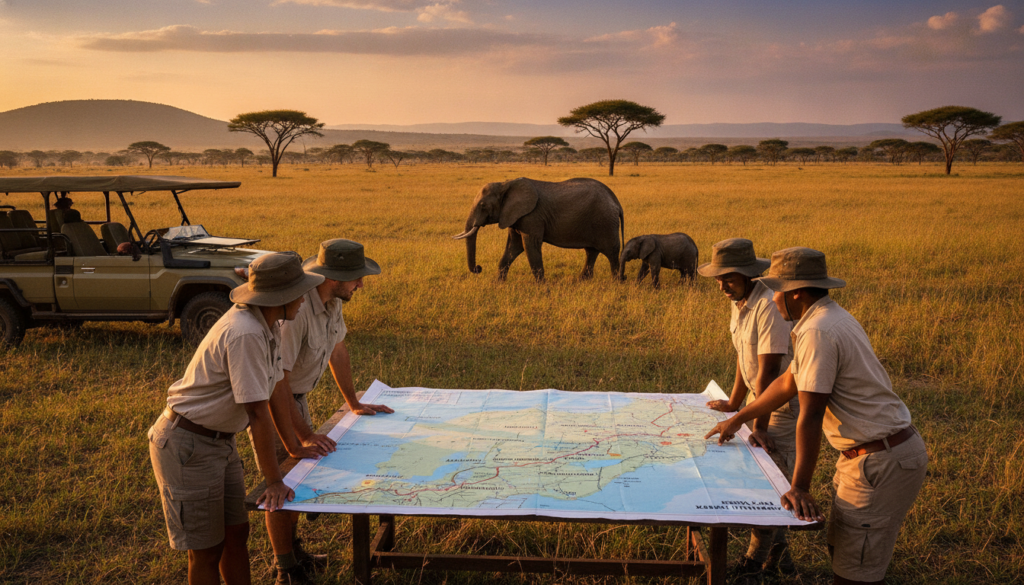
Planning your journey requires selecting a Kenya safari itinerary that matches your pace and wildlife interests. A clear plan gives you more time to watch animals and less time on rough roads. Whether you are a first-time visitor or seasoned traveler, balance activity and rest for a successful trip.
Three-Day Masai Mara Safari for a Quick Wildlife Escape
For travelers with limited time, a three-day trip to the Masai Mara offers a concentrated nature experience. This reserve is famous for its high predator numbers and the iconic Great Migration Kenya spectacle during summer months.
What to Expect From Game Drives and Travel Time
You can expect morning and afternoon game drives to improve your chances of spotting the Big Five. Road travel from Nairobi takes approximately five to six hours, but domestic flights take just forty-five minutes. This short trip offers an intense, rewarding experience without a long commitment.
Five-Day Masai Mara and Lake Nakuru Combination
Combining the Mara’s vast plains with Lake Nakuru’s scenic shores creates a diverse wildlife experience. This route suits travelers who want savanna predators and unique birdlife in one trip.
Why This Route Works Well for First-Time Safari Travelers
This itinerary offers a strong introduction to the country’s varied ecosystems. You will see the Rift Valley’s dramatic landscapes while enjoying comfortable, established lodges. It lets you see the Great Migration Kenya activity, rhinos, and flamingos in one manageable journey.
Seven-Day Kenya Safari Through Amboseli, Lake Naivasha, and the Masai Mara
A week-long adventure lets you explore several famous parks without feeling rushed. This route visits Amboseli’s elephant-filled plains, Lake Naivasha’s serene waters, and the legendary Masai Mara.
Balancing Wildlife, Landscapes, and Relaxed Travel Days
Spreading travel across seven days helps you avoid tiring, long-distance drives. You gain time for leisurely breakfasts and sunset photography sessions. This pace suits travelers who want to experience the environment instead of simply checking boxes.
Ten-Day Kenya and Beach Extension to the Kenyan Coast
For the ultimate vacation, many travelers pair their bush adventure with a relaxing coastal retreat. This Kenya safari itinerary usually ends with a flight to the coast, where wildlife tracking gives way to beach relaxation.
Pairing Safari Experiences With Mombasa or Diani Beach
After dusty game drives, Diani Beach’s turquoise waters offer a refreshing change. You can spend your final days snorkeling, swimming, or relaxing under palm trees. This combination blends high-energy exploration with peaceful downtime.
Custom Routes for Travelers With More Time
Travelers with more than ten days can visit remote areas like Samburu or private conservancies. These custom routes offer exclusive wildlife viewing away from major tourist circuits. A professional operator can tailor every detail to your preferences.
| Itinerary Type | Primary Focus | Travel Pace | Best For |
|---|---|---|---|
| 3-Day Escape | Masai Mara Wildlife | Fast | Short-term visitors |
| 5-Day Combo | Mara & Nakuru | Moderate | First-time travelers |
| 7-Day Explorer | Diverse Ecosystems | Relaxed | Nature enthusiasts |
| 10-Day Ultimate | Safari & Beach | Balanced | Couples & Families |
What to Expect From a Typical Kenya Safari Package
Knowing your daily schedule helps you prepare for an African adventure. When you book African safari tours Kenya, nature sets the pace of each day. Most packages maximize field time while keeping you comfortable and safe.
Airport Transfers, Transportation, and Safari Vehicles
Your journey usually begins with a professional airport greeting. Reputable operators provide private transfers to your first destination, often in specialized 4×4 Land Cruisers or safari-modified minivans. These essential vehicles handle rough ground and offer higher seats for better views.
Expect a vehicle with a pop-up roof hatch. It lets you stand and take clear wildlife photographs. Your driver-guide handles navigation, keeps you safe, and explains the landscape.
Daily Game Drives and Wildlife Viewing Etiquette
Game drives are the heart of your experience, usually held early morning and late afternoon. Animals are most active then, and the light suits photography. Your guide follows park rules to protect you and the animals.
Keep quiet and maintain a respectful distance from wildlife. Never encourage your guide to drive off-road unless you are in a designated area. Always stay inside the vehicle except in a marked safe zone.
Lodges, Tented Camps, and Conservancy Stays
Kenya offers many accommodations for different comfort levels. A high-end resort or rustic bush camp becomes part of your experience. Private conservancies often provide a more exclusive, personal wildlife encounter.
Comparing Permanent Lodges With Mobile Tented Camps
Knowing these styles helps you choose the right setting. Kenya safari lodges are permanent stone or wood buildings with amenities such as pools and electricity. Mobile tented camps offer closer contact with nature, canvas walls, and authentic bush settings.
| Feature | Permanent Lodge | Mobile Tented Camp |
|---|---|---|
| Structure | Solid stone or wood | Canvas and frame |
| Amenities | Full plumbing and power | Eco-friendly, basic comforts |
| Atmosphere | Resort-style luxury | Immersive wilderness |
| Location | Fixed, often near gates | Remote, migratory paths |
Meals, Drinking Water, and Common Inclusions
Most full-board packages include meals, served buffet-style or as set menus at your lodge. Bottled water is almost always provided in your vehicle and accommodation. It is highly recommended that you confirm these inclusions before booking, avoiding unexpected daily costs.
Park Fees, Guide Services, and Activities That May Cost Extra
Many packages are all-inclusive, but some costs may fall outside your quote. Park entry fees may be excluded, so confirm whether your operator pays them in advance. Hot air balloon safaris, guided bush walks, and visits to local Maasai villages often need separate arrangements.
Check whether your budget includes gratuities for your guide and lodge staff. Tipping is standard in Kenya safari lodges and shows appreciation for excellent service. Clarifying these details early helps ensure a stress-free, memorable vacation.
When to Visit Kenya for Wildlife, Weather, and Better Value
Seasonal changes in East Africa can help you plan a rewarding wildlife adventure. Many travelers search for the best time to visit Kenya, but Kenya offers special wildlife sights all year.
June Through October for Dry Weather and Peak Wildlife Viewing
June through October brings dry weather and prime safari viewing. Thinner vegetation makes animals easier to spot. Wildlife gathers near rivers and permanent water holes as sources grow scarce, creating spectacular viewing.
Managing Higher Prices During the Great Migration Season
These months overlap with the famous Great Migration, attracting visitors from around the world. High demand makes lodges and camps cost more and limits availability. Book accommodations well ahead to secure your preferred dates.
November Through May for Green Landscapes and Fewer Crowds
November through May suits travelers who prefer quieter parks. During the green season, lush landscapes create a vivid setting for photography. Park lodges often offer lower rates, helping budget-conscious travelers save.
Understanding Short Rains and Long Rains
Kenya has two rainy periods that shape the local environment. Short rains usually come in November and December; long rains arrive between April and May. Showers can be heavy but often end quickly, followed by clear, sunny skies.
The Best Months for Calving Season and Predator Sightings
In January and February, the plains fill with new life. Peak calving season attracts predators seeking an easy meal. For wildlife enthusiasts, this is an extraordinary chance to see nature’s raw power.
How Seasonal Conditions Affect Road Travel and Safari Comfort
Kenya safari weather strongly affects travel through the parks. Wettest months can turn unpaved roads muddy or hard to cross, increasing travel time. Modern safari vehicles handle these conditions well, keeping your journey safe and comfortable.
| Season | Wildlife Activity | Crowd Levels | Price Range |
|---|---|---|---|
| Dry (Jun-Oct) | High (Migration) | High | Premium |
| Short Rains (Nov-Dec) | Moderate | Low | Mid-range |
| Calving (Jan-Feb) | Very High | Moderate | Mid-range |
| Long Rains (Apr-May) | Low | Very Low | Budget-friendly |
How Much a Kenya Safari Costs and What Changes the Price
Planning a Kenya safari cost can feel hard without a clear expense breakdown. Daily rates matter, but the full budget makes planning easier. See our guide to managing your Kenya safari cost for more details.
Typical Budget, Midrange, and Luxury Price Ranges
Your comfort level strongly affects the trip’s total price. Budget tours use shared transport and basic tented camps, while luxury packages offer exclusive lodges and private bush flights. Understanding these tiers helps match your hopes with your budget.
| Safari Tier | Daily Estimate (USD) | Accommodation Style |
|---|---|---|
| Budget | $250 – $400 | Basic Tented Camps |
| Midrange | $450 – $700 | Comfortable Lodges |
| Luxury | $800 – $1,500+ | Premium Private Reserves |
How Safari Length and Group Size Affect the Total
Your stay length strongly affects total Kenya safari prices. Longer trips cost more because of daily park fees and longer guide services, but may offer better daily value. Private groups cost more per person than shared departures.
Park Fees, Flights, Transfers, and Other Often-Missed Expenses
Many travelers miss costs outside the main package. Park entry fees are required and support vital conservation work. You must also budget for internal travel, including time-saving bush flights between remote reserves.
International Airfare From the United States
Flights from the U.S. to Nairobi rarely come with standard safari packages. Prices change with the season, airline, and booking time. Monitor major carriers to find the best rates for your travel dates.
Tips, Travel Insurance, and Optional Activities
Include guide and lodge staff tips in your budget. Comprehensive travel insurance is essential for your protection against unexpected events. Hot air balloon safaris and guided bush walks also cost extra.
Ways to Save Without Sacrificing Safety or Wildlife Quality
Manage your Kenya safari prices by choosing the right travel period. Shoulder-season visits often cost less while still offering excellent wildlife viewing. Joining a small group departure also helps share costs without reducing experience quality.
Prioritize skilled guides over ultra-luxury lodging if needed. A knowledgeable guide is the most important part of a successful safari because they help you find wildlife and stay safe. These choices can create an unforgettable adventure that fits your budget.
How to Choose a Trusted Kenya Safari Operator
Choosing the right partner is the most important step in planning a successful East Africa trip. A reliable Kenya safari operator acts as your trip architect and keeps each detail aligned with your plans. Research protects your investment and supports a safer, more enjoyable adventure.
Questions to Ask Before Booking a Safari
Before paying a deposit, speak openly with your potential provider. Your questions can show the company’s professionalism and local knowledge.
Confirming Permits, Park Fees, Lodging, and Transportation
Always request a written itinerary that lists every inclusion. Verify that your quote covers all park entry fees, government taxes, and named lodges, not generic descriptions. Ensure it names the vehicle type, since high-quality 4×4 land cruisers handle rugged terrain comfortably.
Checking Cancellation Terms and Emergency Support
Life is unpredictable, so understanding the fine print matters. Ask for a clear, written policy covering cancellations and refunds. Also, confirm 24/7 emergency support and plans for medical evacuations or vehicle breakdowns.
Why Local Guides and Established Partnerships Matter
The best travel experiences often come from companies with deep regional roots. When exploring the best Kenya safari companies, seek those that employ local guides. Local guides understand animal behavior and culture, which can greatly improve your wildlife sightings.
Reading Reviews Beyond the Star Rating
Do not rely only on a five-star rating when evaluating a company. Read written feedback for repeated comments about communication, punctuality, and problem-solving. Note how the operator handled unexpected challenges, since this shows its commitment to client care.
Warning Signs of Unclear or Unusually Cheap Packages
If a price seems too good to be true, it often is. Very cheap packages may hide problems, including older vehicles, inexperienced drivers, or poor accommodations. Always choose safety and quality over the lowest possible price.
Choosing Between Private Safaris and Shared Departures
Choosing between a private Kenya safari and a shared group tour depends on your flexibility needs and budget. A private Kenya safari gives you full control over each day, so you can spend longer at sightings you value. Shared departures often cost less and let you meet fellow travelers.
| Feature | Private Safari | Shared Departure |
|---|---|---|
| Flexibility | High (Custom schedule) | Low (Fixed itinerary) |
| Cost | Higher investment | Budget-friendly |
| Privacy | Exclusive vehicle | Group environment |
| Pacing | Tailored to you | Fixed group pace |
Practical Planning Tips for Travelers From the United States
A successful trip to Kenya begins before you board your flight. Completing key health and travel steps helps ensure a smooth arrival in East Africa.
Passport, Visa, and Entry Requirements for Kenya
United States citizens need passports valid for at least six months beyond their departure date. Your passport should also have at least two blank pages for entry stamps.
Kenya now uses an Electronic Travel Authorization (eTA) system for international visitors. Apply online well before departure to avoid last-minute problems.
Recommended Vaccinations, Medication, and Travel Insurance
Consult a travel medicine specialist at least six weeks before your trip as a crucial step for your health. Discuss routine vaccines and yellow fever rules, especially when traveling from a transmission-risk country.
Malaria prevention is also important because many safari areas have malaria. Your doctor may prescribe preventive medicine for your journey.
Every traveler should consider comprehensive Kenya safari insurance. Choose coverage for emergency medical evacuation, trip cancellations, and unexpected delays.
What to Pack for Game Drives and Changing Temperatures
Kenya’s climate can change quickly, from chilly morning game drives to warm afternoons. Dressing in layers helps you stay comfortable all day.
Clothing, Footwear, Binoculars, and Camera Gear
- Neutral-colored clothing: Khaki, tan, and olive green help you blend in and avoid insects.
- Comfortable footwear: Sturdy walking shoes or light hiking boots suit lodge grounds and nature walks.
- Optical gear: High-quality binoculars are essential for spotting distant wildlife.
- Photography equipment: Bring a camera with a good zoom lens, extra memory cards, and a dust-proof bag to protect your gear.
Managing Jet Lag, Connectivity, and Payments
The time difference between the United States and Kenya can be large, so plan a slow start. Drink water and adjust your sleep schedule before departure to reduce jet lag.
Many lodges offer Wi-Fi, but remote wilderness areas may have weak connections. Buy a local SIM card for constant access, or enjoy a break from connectivity.
Major credit cards work widely in cities and larger lodges. Still, carry some local currency for guide tips and purchases at local markets.
Respecting Wildlife, Communities, and Local Conservation Efforts
Responsible tourism supports a sustainable safari experience. Keep a respectful distance from wildlife and follow your guide’s instructions to protect animals and people.
Ask permission before photographing people or their homes in local communities. Buying authentic crafts from local artisans directly supports the region’s economy.
Prioritizing Kenya safari insurance and following these Kenya travel requirements helps protect Kenya’s natural heritage. Your care helps keep these landscapes vibrant for future generations.
Conclusion
Successful Kenya safari planning means matching your travel style with the right destinations and seasons. A thoughtful itinerary combines famous wildlife sightings with the rich cultures of the Maasai and Samburu people.
Your ideal Kenya wildlife vacation offers more than a glimpse of the Big Five. It connects you with varied landscapes, from Lake Nakuru’s lush shores to the Masai Mara’s vast plains. These moments create lasting memories that reach beyond the camera lens.
Start by comparing clear packages from reputable operators. Verify every inclusion, review your health requirements, and secure travel documents early. These steps support a smooth journey from planning to arrival in East Africa.
Expert guidance is a valuable resource for every traveler. Established local partners can help you manage park logistics and choose suitable accommodations. With careful preparation, you can begin a safe, transformative adventure across the heart of Kenya.