
More than 1.4 billion people call Africa home, yet many travelers hesitate to explore its wonders. The media often highlights isolated incidents, but millions of visitors enjoy life-changing experiences each year. Choosing professional Africa tour packages offers an effective way to explore this diverse continent with peace of mind.
Structured Africa vacations provide the planning needed for a worry-free journey. Expert planners manage complex transportation and local coordination, so you can focus on breathtaking wildlife and vibrant cultures. For classic trips, reputable experts guide you through South Africa; seasoned professionals manage game drives, lodge security, and other details.
Preparation remains the cornerstone of successful international travel, though some regions require specific safety protocols. Guides on how to visit Somalia safely explain such protocols, while most popular destinations are well-equipped for tourism. Reliable support and informed planning can turn travel dreams into a secure reality.
Key Takeaways
- Professional planning simplifies complex logistics for a stress-free experience.
- Reliable operators prioritize traveler safety during game drives and excursions.
- Comprehensive support allows you to focus on cultural immersion and wildlife.
- Researching specific regional safety guidelines enhances your overall confidence.
- Choosing established travel providers ensures high-quality service and security.
Why Thoughtful Planning Makes Africa Travel More Confident
Thoughtful Africa travel planning can turn an overwhelming journey into a smooth, rewarding adventure. It involves more than choosing popular attractions or booking standard lodging. Careful planning before departure creates a secure foundation for your trip.
What travelers gain from a professionally organized trip
Reliable logistics, local expertise, and responsive support
Professional planning offers a safety net that independent travel may lack. Travelers gain access to vetted ground operators who understand local infrastructure. Their expertise keeps your itinerary moving when unexpected changes affect your Africa safari tours.
Responsive support stays with you throughout the journey. Whether you explore a remote park in Kenya or a busy market in Tanzania, a local contact can help. This care supports safe travel in Africa as you explore new places.
How guided and private tours reduce common travel stresses
Managing transfers, timing, language, and unfamiliar destinations
Many visitors find that guided Africa tours reduce the mental strain of international travel. Professional guides manage airport transfers, vehicle maintenance, and regional timing. With these tasks handled, you can focus on the wildlife and landscapes around you.
Language barriers and unfamiliar customs may worry first-time visitors. A dedicated guide serves as a cultural bridge and helps you handle social interactions with confidence. This support lets you enjoy the destination instead of solving minor travel problems.
Balancing reassurance with authentic experiences
Enjoying local culture without treating safety as an afterthought
True confidence comes from knowing you have protection without feeling restricted. Organized support should help you engage respectfully with local communities and wildlife. You can enjoy the continent’s vibrant culture while keeping personal security a priority.
| Travel Format | Logistical Support | Flexibility Level | Primary Benefit |
|---|---|---|---|
| Private Tours | High | Maximum | Personalized Pacing |
| Guided Groups | High | Moderate | Social Connection |
| Self-Drive | Low | High | Total Independence |
A well-planned trip should create a sense of ease. Choosing the right support level helps keep your experience authentic and memorable. Thoughtful preparation is the key to enjoying the continent’s wonders with complete peace of mind.
How to Choose the Right Africa Tour Packages
Your journey across the continent starts by choosing a package that fits your comfort and goals. Choosing the right Africa tour packages requires understanding your travel style and desired support.
Match the itinerary to your travel experience and comfort level
Options for first-time visitors, families, couples, and solo travelers
First-time visitors often benefit from structured, all-inclusive trips that simplify travel logistics. Families should choose shorter travel times and kid-friendly activities to keep everyone engaged and comfortable.
Couples seeking romance often prefer private Africa tours with intimate settings and exclusive wildlife viewing. Solo travelers find peace of mind in small groups, with social interaction and a professional guide.
Compare guided, private, small-group, and self-drive formats
Understanding the differences in flexibility, support, and cost
Your choice depends on how much control you want over your daily schedule. Guided group tours provide strong safety and social support, but often follow a fixed timeline.
| Format | Flexibility | Support Level | Cost Range |
|---|---|---|---|
| Guided Group | Low | High | Moderate |
| Private Tour | High | High | Premium |
| Self-Drive | Very High | Low | Budget-Friendly |
Check what the package actually includes
Flights, lodging, meals, park fees, transfers, guides, and optional activities
A complete African travel itinerary should list every part of your trip. Check whether international flights are included or whether you must book your airfare.
Confirm that park fees, daily meals, and airport transfers are included in the final price. Hidden costs can grow quickly when these items are excluded from your quote.
Look for transparent planning and realistic schedules
Recognizing rushed itineraries, hidden costs, and vague safety promises
Be wary of plans that cover too much ground in little time. A realistic schedule includes downtime and allows for unpredictable road travel in remote areas.
Vague safety promises or missing lodging names are red flags. Transparent operators provide a detailed African travel itinerary before you depart.
Choosing African Destinations That Fit Your Travel Goals
Africa offers many experiences, so match your goals with the right region. Knowing each region’s character helps you choose a trip that balances comfort and adventure.

East Africa for classic safaris and wildlife viewing
Kenya’s Maasai Mara, Tanzania’s Serengeti, and Zanzibar extensions
East Africa is a top choice for the classic Africa safari tours experience. A Kenya safari offers iconic views of wide savannahs, while a Tanzania safari reaches the Great Migration. Many travelers end these exciting trips with a relaxing beach stay in Zanzibar.
Southern Africa for varied landscapes and polished infrastructure
South Africa, Botswana, Namibia, and Victoria Falls itineraries
Southern Africa offers varied landscapes and a well-developed tourism network. South Africa vacation packages often pair world-class wildlife viewing with Cape Town’s urban style. Meanwhile, Victoria Falls tours showcase a dramatic natural wonder and provide a strong base for regional travel.
North Africa for history, markets, and desert landscapes
Morocco and Egypt with attention to local transport and guided touring
North Africa invites travelers to explore ancient civilizations and lively cultural centers. Exploring Morocco’s busy markets and Egypt’s historic sites requires careful attention to local transport. Professional guides can keep travel through these complex places smooth and secure.
West Africa for culture, festivals, and coastal heritage
Why local guides and carefully coordinated transportation matter
West Africa offers rich traditions, colorful festivals, and important coastal history. Because infrastructure can vary, relying on local guides is essential for a successful trip. They coordinate local travel and offer authentic cultural insights.
How seasonality affects safety, wildlife, weather, and road conditions
Planning around rainy seasons, heat, migration patterns, and peak demand
Knowing the best time to visit Africa supports safety and enjoyment. Seasons affect wildlife visibility, remote road access, weather, and travel demand. Planning around these cycles helps you avoid extreme heat and difficult rainy-season travel.
| Region | Primary Focus | Best Travel Season |
|---|---|---|
| East Africa | Wildlife & Migration | June to October |
| Southern Africa | Landscapes & Cities | May to September |
| North Africa | History & Culture | October to April |
| West Africa | Festivals & Heritage | November to February |
What a Safe Africa Tour Package Should Include
Ensuring safe travel in Africa takes more than choosing a destination; it requires vetted services. Quality itineraries rely on expert logistics and steady communication. Professional Africa tour packages provide security through careful management.
Experienced local guides and vetted ground operators
Your guide often shapes the success of your journey. A professional operator ensures each staff member has strong knowledge and local experience.
Questions to ask about training, licensing, language skills, and local knowledge
Before booking, ask specific questions to assess your provider’s standards. Ask the following:
- Are the guides fully licensed by the national tourism board?
- Do they possess advanced first-aid certifications?
- Can they demonstrate deep local knowledge and clear communication skills in your preferred language?
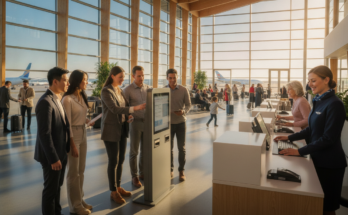
Airport meet-and-greet and dependable transfers
Traveling through a new country can feel overwhelming after a long-haul flight. Reliable operators make your journey easier from the moment you land.
Reducing confusion after a long flight or during multi-country travel
A dependable meet-and-greet service ensures you never wait alone in an unfamiliar terminal. Your driver should show clear identification, handle your luggage, and take you to your accommodation. This service helps maintain comfort during complex, multi-country itineraries.
Accommodation selected for location, standards, and access
Where you stay matters as much as where you go. A safe lodging choice balances comfort with access to nearby help.
Evaluating lodges, hotels, camps, and remote properties
When reviewing options, consider the property’s operational standards. City hotels should provide secure, 24-hour reception. Remote safari camps need radio or satellite communication; always verify clear guest safety and medical emergency protocols.
Emergency support throughout the itinerary
Even the best planning cannot prevent every disruption. A complete travel package includes support that remains active 24/7.
After-hours contacts, backup transportation, and assistance during disruptions
Your tour operator should provide a dedicated emergency contact number reachable at any hour. The support team must have authority to arrange backup transportation or medical help when plans change. Knowing a professional team monitors your progress gives every traveler peace of mind.
Travel Styles for Different Africa Experiences
Your travel format shapes the pace, comfort, and impact of an African adventure. The right choice matches your goals, from social time to privacy or special planning.
Small-group safaris for structure and social connection
Many travelers find that small group Africa tours provide the right balance of expert guidance and shared discovery. These trips follow fixed itineraries, removing daily decisions and letting you focus on wildlife.
Who benefits from shared vehicles, fixed departures, and group support
This style suits solo travelers and couples who enjoy meeting like-minded people. Shared vehicles build camaraderie, while a professional guide handles every logistical detail with care.
Private tours for flexibility and personalized pacing
If you prefer a schedule built around your interests, private Africa tours offer great freedom. You control start times, game drive length, and each day’s focus.
Adjusting activities for families, photographers, and multigenerational groups
Private plans allow for bespoke adjustments that fixed trips cannot offer. Photographers can wait for perfect light, while families can pause without considering other passengers.
Luxury safari packages with added comfort and service
For travelers seeking extra comfort, luxury safari packages provide smooth travel between remote wilderness areas. These options let you enjoy each destination instead of managing transfers.
Private transfers, premium lodges, charter flights, and dedicated staff
Expect top-tier amenities, including private bush planes, exclusive-use lodges, and personal butlers. This service brings maximum comfort to even the most rugged environments.
Family-friendly Africa vacations
Planning family Africa vacations means choosing shorter travel times and engaging, age-appropriate experiences. Interactive activities can keep young travelers excited and involved throughout the journey.
Choosing shorter drives, age-appropriate activities, and practical lodging
Consider Cape Town, where you can visit penguins at Boulders Beach or ride a cable car up Table Mountain. These activities are easy to manage and create lasting memories for all ages.
Solo travel with the reassurance of organized support
Traveling alone across the continent feels rewarding with the right safety net. Guided Africa tours provide security and local knowledge, so you can explore confidently without feeling isolated.
Finding the right balance between independence and local assistance
The best solo trips blend independent exploration with planned transfers and expert-led excursions. Whether you choose Victoria Falls tours or explore urban markets, a local contact means you are never truly alone.
| Travel Style | Best For | Key Benefit |
|---|---|---|
| Small Group | Social travelers | Shared costs and camaraderie |
| Private | Families/Photographers | Total schedule flexibility |
| Luxury | Discerning travelers | Premium service and comfort |
Ultimately, the success of your Africa vacations depends on matching your travel style with your comfort level. The right format creates a journey that feels both secure and deeply fulfilling.
Transportation and Accommodation Choices That Improve Peace of Mind
Creating a reliable African travel itinerary means balancing comfort, time, and local infrastructure. Learning how to travel between regions is the first step toward a relaxed adventure.
When domestic flights make more sense than long road transfers
In many regions, vast distances make flying the most efficient choice. Domestic light aircraft avoid hours of bumpy travel, giving you more time to enjoy your destination.
Comparing travel time, cost, luggage limits, and remote destinations
Flights save time but often have strict weight limits and higher costs. Compare these limits and costs with the benefit of reaching remote wilderness areas quickly.
| Factor | Domestic Flights | Road Transfers |
|---|---|---|
| Travel Time | Fast and direct | Long and variable |
| Cost | Higher premium | Budget-friendly |
| Luggage | Strict soft-bag limits | More flexible |
What to know about safari vehicles and road travel
Road travel is an important part of the safari experience, offering chances to spot wildlife between camps. Yet vehicle quality and drive length greatly affect your comfort.
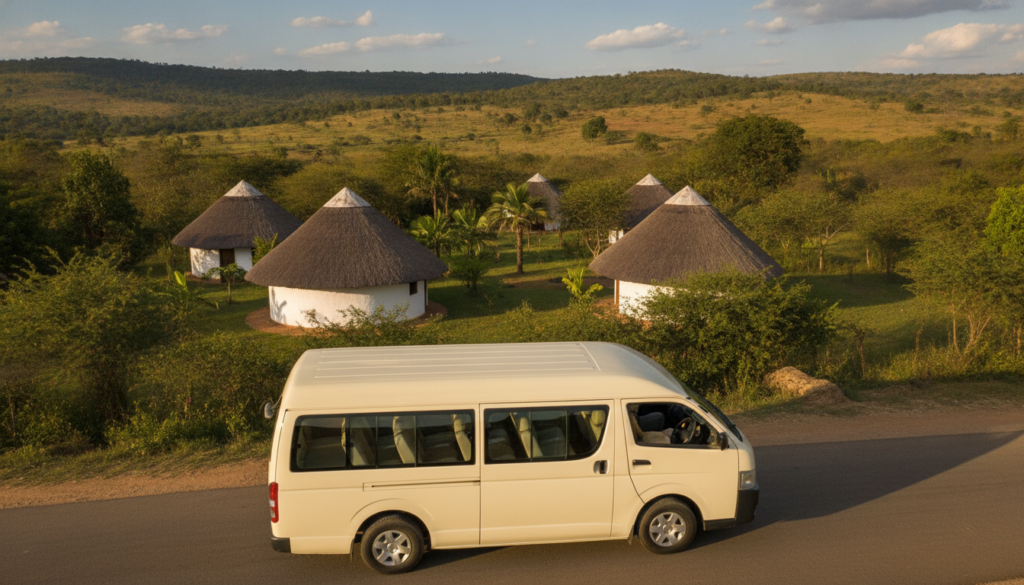
Vehicle condition, seat availability, driving times, and wildlife-viewing comfort
Make sure your operator uses well-maintained 4×4 vehicles built for rough terrain. Professional maintenance shows that a company is reputable and helps keep you comfortable during long game drives.
- Check if the vehicle has pop-up roofs for better visibility.
- Confirm that there is enough space for all passengers to have a window seat.
- Ask about the average daily driving time to manage your expectations.
Choosing between city hotels, safari lodges, and tented camps
Your accommodation choice shapes how deeply you experience the environment. A city hotel offers amenities, while a tented camp offers raw beauty; each provides a unique view.
Security, location, amenities, and the realities of remote accommodation
Remote lodges often operate off-grid, which adds to their charm. These properties prioritize safe travel in Africa, but they may lack the high-speed connectivity found in cities.
“The best-laid plans are those that account for the unexpected, ensuring that your choice of lodging aligns with your comfort needs and the realities of the bush.”
Preparing for connectivity in rural and wilderness areas
Wilderness connectivity is often limited, offering a welcome break from the digital world. Still, a plan for essential communication can protect your peace of mind.
Wi-Fi expectations, local SIM cards, offline maps, and emergency communication
Do not rely only on hotel Wi-Fi; service can be intermittent in remote parks. Instead, use these steps to stay prepared:
- Download offline maps for your entire route before you depart.
- Purchase a local SIM card at the airport for better coverage.
- Carry a satellite communication device if you are venturing into extremely isolated regions.
Preparing for these logistical realities helps you build a robust African travel itinerary. It lets you focus on the continent’s beauty. For personalized advice, explore resources on working with a professional travel agent to refine your plans.
Health, Documents, Insurance, and Money Preparation
Your adventure starts before you board the plane. Organize your documents and health needs early, so you can enjoy your destination after arrival.
Checking entry rules and passport requirements early
Learning the specific Africa travel requirements for each country is an important first step. Rules can change often, so check official government websites.
Visas, passport validity, blank pages, and proof of onward travel
Most nations require passports to remain valid for at least six months after your departure date. Carry two to four blank visa pages because border officials may enforce this rule. Carry proof of onward travel, such as a return flight itinerary, to meet entry rules.
Planning vaccinations and travel health consultations
A travel medicine specialist can offer better guidance than general advice. They can review your itinerary and give health recommendations for your trip.
Discussing malaria prevention, routine vaccines, prescriptions, and food safety
Discuss malaria prevention and keep routine vaccinations up to date. Always carry a copy of your prescriptions in their original packaging to avoid customs problems. Practice food safety by drinking only bottled or treated water while abroad.
Selecting travel insurance for African adventures
Choosing comprehensive Africa travel insurance is essential for responsible planning. A strong policy provides protection while you explore with confidence.
Medical evacuation, trip interruption, safari activities, and preexisting conditions
Make sure your policy covers emergency medical evacuation, which matters in remote wilderness areas. Check that it covers safari activities and trip interruptions. If you have preexisting conditions, confirm your plan covers them clearly.
Handling money and important documents securely
Managing money well can prevent stress during your trip. Use several payment methods so you can still access funds if one fails.
Cards, cash, backup copies, digital records, and protected storage
Carry major credit cards and some local currency for emergencies. Store digital copies of your passport, insurance policy, and vaccination records in a secure, encrypted cloud folder. Always store your physical documents in a waterproof, hidden travel pouch to prevent loss or theft.
How to Budget and Book With Confidence
Understanding your trip’s true value means looking beyond the initial price. Effective Africa travel planning requires assessing what your investment covers and how choices shape your experience.
Understanding what drives the cost of an Africa vacation
Season, destination, lodging level, private services, and domestic flights
The Africa tour cost depends on factors that shape your journey’s quality and exclusivity. High-season travel often costs more because wildlife viewing is at its peak, while shoulder seasons may offer better value.
Your accommodation choice, from rustic tented camps to ultra-luxury lodges, can greatly change your budget. Private transfers and domestic bush flights add convenience but cost more than standard group road travel.
Comparing quotes beyond the headline price
Reviewing inclusions, exclusions, taxes, gratuities, and optional excursions
When evaluating Africa tour packages, read the fine print instead of focusing only on the bottom line. A lower advertised price may exclude park fees, internal flights, or mandatory conservation levies.
Always verify whether your quote includes:
- Comprehensive African travel itinerary logistics and transfers.
- Daily park entrance fees and government taxes.
- Gratuities for guides and lodge staff.
- Optional excursions or specialized activities.
Evaluating tour companies and travel advisors
Looking for clear policies, destination expertise, verified reviews, and accessible support
Selecting a reputable provider matters as much as choosing the destination. Look for companies with deep destination expertise and clear communication about their operating standards.
Verified reviews and testimonials show how a company handles real-world situations. Whether booking South Africa vacation packages or a multi-country expedition, ensure your provider offers 24/7 support during your travels.
Protecting your booking before departure
Deposits, cancellation terms, payment schedules, and written confirmations
Securing your investment is the final step in confident Africa travel planning. Request a detailed written confirmation outlining the payment schedule and specific cancellation policies.
Understanding your deposit and final payment terms protects you against unforeseen changes. Confirming these details in writing keeps your Africa tour cost predictable and fully protects your travel plans.
Practical Habits for Staying Safe During Your Trip
Whether you are navigating bustling city markets or quiet wilderness trails, consistent safety habits are essential for a smooth trip. A proactive mindset helps you enjoy your surroundings while keeping safe travel in Africa a top priority.
Respecting local guidance and wildlife boundaries
Wildlife encounters often highlight a trip, but they require strict attention to established rules. Understanding that these animals are wild is the first step toward a safe experience.
Why safari rules, ranger instructions, and distance requirements matter
Always listen to your guide, who knows how to read animal behavior and environmental cues. A safe distance is a critical requirement that prevents startled animals and defensive reactions. Never stand up in a vehicle or lean out of windows. These actions can alter an animal’s view of the vehicle and cause dangerous interactions.
Using everyday urban and hotel safety habits
Cities require different precautions than the bush. Staying aware of your surroundings is your best defense against common travel problems.
Managing valuables, transportation, nightlife, and unfamiliar neighborhoods
Keep your passport and large sums of cash in a hotel safe instead of carrying them. In cities, use reputable transportation recommended by your hotel or tour operator.
“True security comes from being aware of your surroundings and respecting the local customs of the place you visit.”
Avoid walking alone in unfamiliar neighborhoods at night. Keep your belongings close in crowded markets.
Dressing and packing for comfort, weather, and cultural respect
Effective packing supports your overall well-being. Balance the climate’s practical needs with your destination’s cultural norms.
Useful clothing, footwear, luggage, medication, and sun protection
- Pack lightweight, breathable fabrics in neutral colors to blend into the environment.
- Ensure you have sturdy, closed-toe footwear for walking safaris or uneven terrain.
- Carry a well-stocked personal medical kit, including prescription medications and high-SPF sunscreen.
- Use lockable, durable luggage to keep your gear organized and secure during transfers.
Staying flexible when conditions change
Even carefully planned itineraries can face unexpected changes. A positive, adaptable attitude supports safe travel in Africa when circumstances evolve.
Handling weather delays, schedule adjustments, health concerns, and local events
Heavy rains can affect roads, while local events might require route changes. If you feel unwell or notice environmental changes, tell your guide or hotel staff immediately. Flexibility lets you choose other activities without harming your security or enjoyment.
Keeping family and trusted contacts informed
Staying connected gives you and your loved ones extra peace of mind. Regular communication ensures someone knows your general location and status.
Sharing itineraries, check-in plans, and emergency contact details
Before leaving, share a detailed itinerary copy with a trusted family member. Set a consistent check-in schedule, especially between remote areas with limited connectivity. Keep emergency contacts, including your travel insurance provider and nearest embassy, on paper apart from your phone.
Conclusion
A successful trip across Africa balances wonder with careful preparation. By choosing professional Africa tour packages, you gain expert logistics and local insights for seamless travel. These arrangements help you safely explore diverse landscapes, from the plains of Kenya to Morocco’s historic streets.
Effective Africa travel planning covers health, documents, and insurance. Match your goals with the right season and destination to build a rewarding adventure. Vetted operators keep your time on the ground focused on the moments that matter most.
Your upcoming Africa vacations can reveal incredible wildlife and vibrant cultures firsthand. Stay flexible and respect local guidance to improve your safety and enjoyment. With the right support and a clear plan, you can explore this vast continent with total confidence.